


When it comes to beauty tips, everyone has got something to share. While some of these are genuinely helpful, many beauty myths just get passed around on the internet without being true for everyone.
While the list is long, we’ve covered some common beauty myths and focused on what actually matters.
1. No Need to Moisturise Oily Skin
People with oily skin think that they can do without moisturiser. But in truth, everyone needs to moisturise their skin for better hydration.
Skipping it may lead to dryness in less oily facial areas and trigger your skin to produce even more oil to compensate. That’s why adding a non-greasy moisturiser can help keep oily skin balanced.
If your skin feels oily after moisturising, the answer is not to skip it completely. Instead, choose a lightweight, gel-based or non-comedogenic moisturiser that feels comfortable on your skin. You may also need less product than someone with dry skin.
2. Doing External Skincare Is Enough
There’s no magic serum out there that can single-handedly fix dullness, pigmentation, or dryness. Your diet, lifestyle, and overall nutrition also play a big role in how your skin looks and feels.
For example, if you’re already using a vitamin C serum to control oxidative stress caused by free radicals, you can maximise the benefits by adding glutathione supplements to your routine to improve skin health, inside out.
3. Expensive Always Means Better
Quality-grade skincare ingredients indeed cost a little extra, but a higher price tag doesn’t always mean better results. You’ll be surprised to see that many affordable skincare products contain the same active ingredients as premium ones.
Instead of choosing products based on trends or price alone, it is worth checking the product’s formulation, concentration of active ingredients, and whether it suits your skin type. A simple routine that you can follow consistently may be more useful than a shelf full of expensive products.
Packaging and marketing can also make a product look more impressive than it actually is. Before buying, focus on what the product is made for and whether it addresses your specific concern. Reading the ingredient list and checking how the product is meant to be used can help you make a more informed choice.
4. Water Alone Is Enough for Glowing Skin

We’ve all heard that drinking more water is the secret to glowing skin. While staying hydrated is important, healthy-looking skin comes from a combination of good habits like eating well, getting enough sleep, managing stress, wearing sunscreen, and following a consistent skincare routine.
So, merely drinking water is not enough. You also need to strengthen your skin barrier to effectively hold moisture in the skin cells, and collagen is the hero that takes care of this.
Since collagen levels decline with age, skin experts recommend taking collagen powder. But like any beauty habit, it works best alongside a healthy lifestyle rather than as a quick fix.
Sure, I’d keep it simple and conversational, without making it sound overly polished or AI-like.
How to Tell if a Skincare Tip Is a Myth
Not every skincare tip you see online is worth trying. Before adding a new hack or product to your routine, take a moment to check where the advice is coming from and whether there is any real evidence behind it.
If a claim promises instant results or says one product can fix every skin problem, it is worth being a little cautious. Also, remember that skincare is not one-size-fits-all. What works for one person may not work for your skin type. Sometimes, it’s not a myth, but something that just doesn’t work in favour of your skin.
When Should You See a Dermatologist?
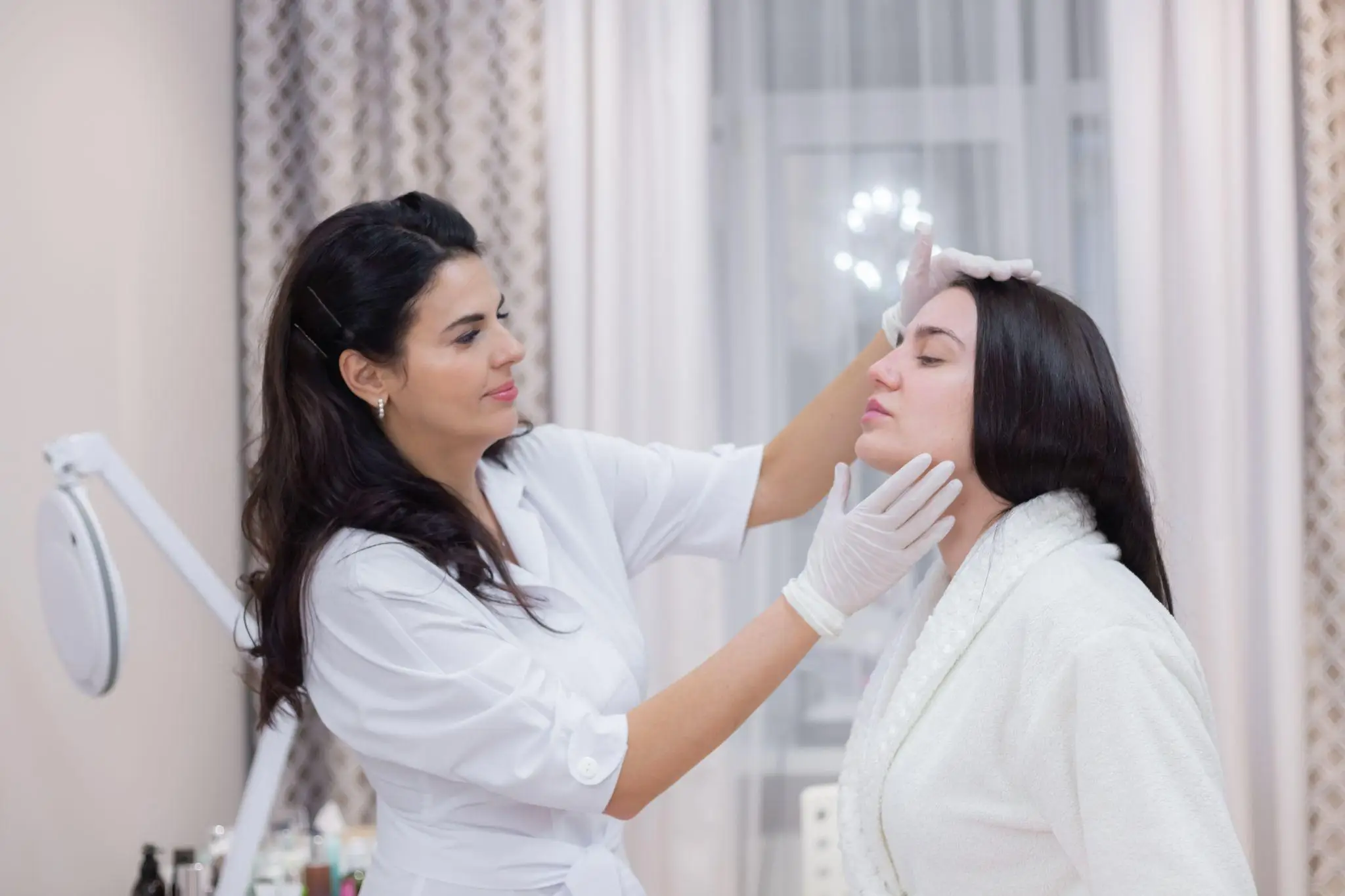
There are times when your skin starts acting up, and you just feel too desperate to try the new viral skincare or DIY remedies to quick-fix it. But before you do, it’s best to consult a skin expert. These cases need special attention from a dermatologist:
- Persistent acne
- Sudden skin changes
- Severe dryness or itching
- New or changing pigmentation
- Skin irritation that doesn’t improve
To Sum Up
There are a lot of skincare myths circulating both online and offline, and not every tip works for every person. From skipping moisturiser to choosing products just because they are expensive, it is easy to get confused by what you see and hear. Before trying a viral skincare hack, check the source, understand your skin type, and look for information that is backed by reliable evidence. A simple, consistent routine is often more useful than constantly following new trends. When it comes to skincare, knowing what your skin actually needs can help you make better choices.