

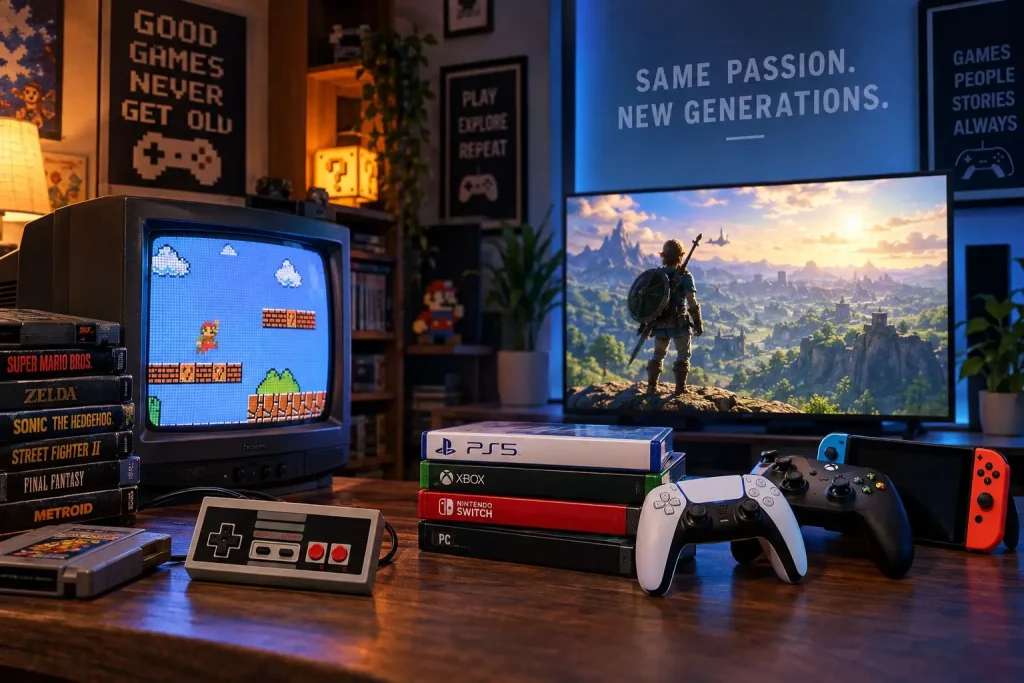
Video games age in unusual ways. Technology moves quickly, yet a title from the 1980s, 1990s, or early 2000s can still attract players decades after its first appearance. Older games now appear on current consoles through remasters, remakes, digital editions, compilations, and carefully recreated versions. Some return with modern graphics and controls. Others keep almost everything that players remember from the original.
This trend does not depend on nostalgia alone. Older titles often contain clear rules, recognizable characters, focused level design, and ideas that still work with current hardware. Modern online entertainment also encourages people to move between different types of digital activities, from classic games and gaming videos to communication platforms and services such as incaspin casino. At the same time, many players want easier access to games that once required an old console, a physical cartridge, or aging computer hardware. Publishers and development teams see that demand and continue to bring past titles to current systems.
Old Games Still Have an Audience
A game does not automatically lose its appeal when its technology becomes outdated. Graphics may show their age, menus may feel unfamiliar, and control schemes can require adjustment. Yet the main structure can remain enjoyable.
Many older games focus on straightforward goals. Platform games ask players to cross stages and avoid hazards. Racing titles center on tracks, vehicles, and lap times. Fighting games rely on timing and character knowledge. Role-playing titles build progression around exploration, combat, equipment, and story choices.
These basic systems can remain understandable decades later.
Players also approach older titles for different reasons. Someone who played a game during childhood may want to experience it again. A younger player may know the title through online discussions, videos, later sequels, or references in other media. Another person may simply want to understand why a certain game holds an important place in gaming history.
As a result, one returning title can serve several age groups at once.
Nostalgia Matters, but It Does Not Explain Everything
Nostalgia clearly influences demand for older games. People often connect entertainment with specific periods of their lives. A familiar menu sound, character design, stage, or soundtrack can bring back memories of playing after school or spending weekends with friends.
That emotional connection gives publishers a clear reason to revisit older catalogs.
Still, nostalgia has limits. It cannot explain why people who never owned the original hardware also play these titles. Younger audiences regularly discover games that first appeared years before they started gaming.
Accessibility plays a large role here. Players no longer need to search for discontinued hardware or track down physical copies when developers bring an older title to current systems. Digital distribution can turn a difficult-to-find game into something that takes minutes to obtain.
Remakes Give Developers More Room to Change
Developers can bring an older game back in several ways, and each approach requires different decisions.
A basic reissue may keep the original game almost unchanged while making it run on current hardware. A remaster usually updates elements such as image resolution, frame rate, audio quality, menus, or controls. A remake can rebuild large sections of the title with new technology.
Those categories sometimes overlap, but the amount of work can differ considerably.
A full remake may require teams to recreate environments, character models, animation, user interfaces, sound, combat systems, and accessibility options. Developers also need to decide which older mechanics still work and which ones create unnecessary frustration for current players.
That creates a difficult design question: how much should they change?
If developers alter too much, longtime players may struggle to recognize what they enjoyed about the original. If teams change too little, outdated controls or technical restrictions may frustrate newcomers.
The strongest approach often starts with identifying the original game’s central systems and then examining each supporting element separately.
Modern Hardware Removes Old Technical Limits
Many design decisions in older games came from hardware restrictions rather than artistic preference.
Developers worked with limited memory, storage, processing power, screen resolution, and controller inputs. Loading times affected level structure. Cartridge and disc capacity influenced audio and visual assets. Older displays also shaped interface design.
Current consoles remove many of those restrictions.
When teams revisit older titles, they can address technical issues without changing the basic game. Common updates include:
- Higher display resolutions and steadier frame rates
- Faster loading between areas
- Revised camera controls
- Modern controller layouts
- Expanded save systems
- Accessibility settings
- Updated menus and interface elements
- Improved audio quality
These changes can make a decades-old title easier to use while keeping its main rules intact.
Some updates also solve problems that players once accepted because no alternative existed. A fixed camera may have worked around technical restrictions. Limited save points may have reflected storage concerns. Current hardware gives developers more choices.
Preservation Has Become Part of the Discussion
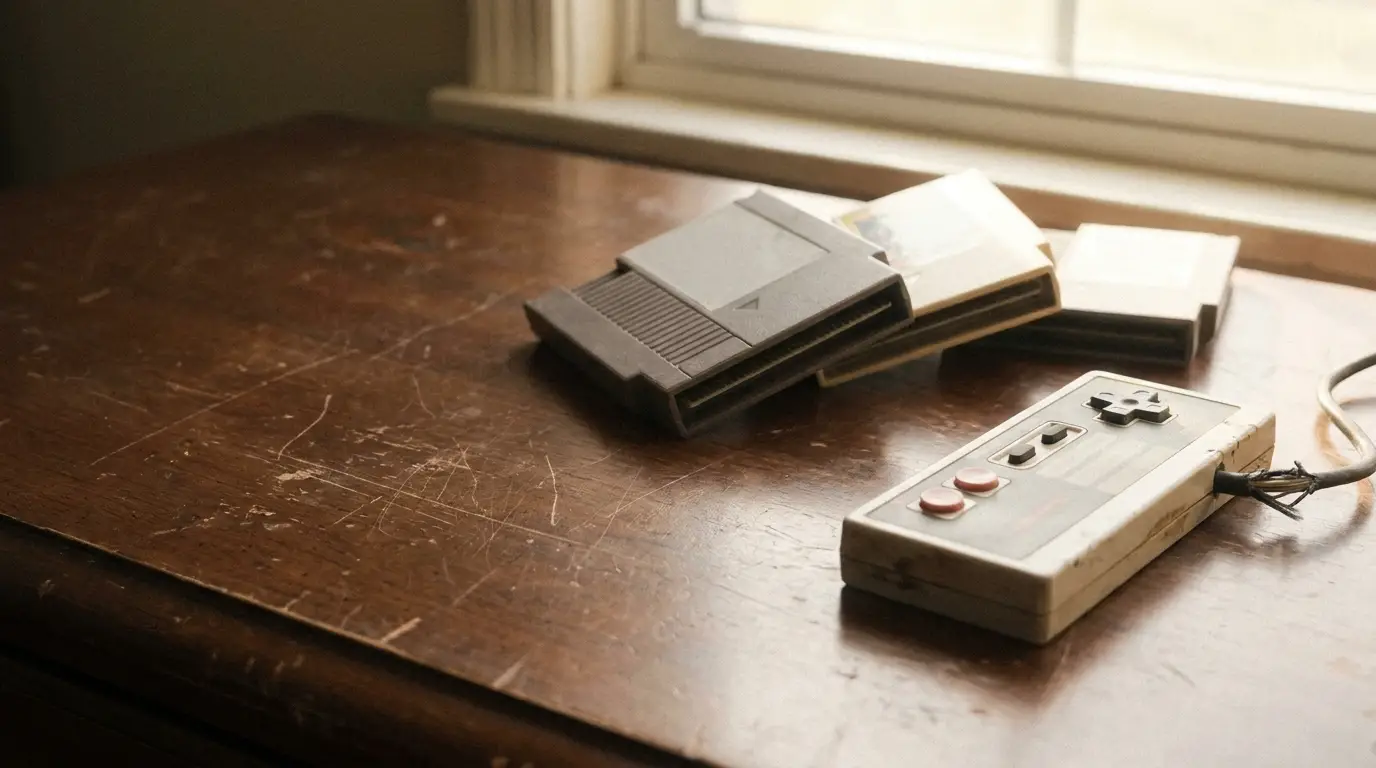
The return of older games also raises questions about preservation.
Unlike books or films, video games depend heavily on hardware and software environments. A physical copy can survive for decades, but players still need equipment that can run it. Consoles fail. Discs deteriorate. Batteries inside cartridges stop working. Online services close.
Software compatibility creates another problem. A game designed for one operating system or processor may not run correctly on current equipment.
Reissues can keep older titles accessible, although they do not solve every preservation issue. A remaster or remake may change visual elements, controls, music, or gameplay systems. That means the new edition does not always serve as an exact historical record.
For this reason, gaming history benefits from several approaches at the same time. Original hardware, archival projects, official reissues, documentation, and modern versions each preserve different aspects of a title.
Retro Design Can Feel Surprisingly Direct
Modern games often include large maps, extensive progression systems, online functions, seasonal content, detailed tutorials, and many customization options. Older titles frequently operate on a smaller scale.
That difference can attract players.
A classic arcade-style game may explain almost everything within minutes. Players learn through action. They understand the objective, fail, try again, and improve.
Older console games can also offer shorter sessions. A level may take several minutes rather than an entire evening. That structure fits players who want focused entertainment without a long introductory sequence.
Of course, older design also carries limitations. Some games use unclear instructions, severe difficulty spikes, awkward cameras, or systems that require repeated trial and error. Modern editions can address selected problems while keeping the original structure.
The Internet Keeps Old Games Visible
Before widespread internet access, an old game could disappear from public attention when stores stopped selling it. Players might remember it, but younger audiences had few ways to discover it.
That situation has changed.
Gaming videos, livestreams, discussion forums, fan databases, speedrunning communities, podcasts, and social media regularly bring older titles back into public conversation. A game does not need a new commercial edition to gain attention.
Players can watch someone complete a 30-year-old title and decide to try it themselves. They can read about unused content, development history, unusual mechanics, or technical achievements. Speedrunning gives certain older games especially long lives because players continue to study movement and level structure years after launch.
Online discussion also helps publishers measure interest. Strong attention around an older title can show that an audience still exists.
Physical Collecting Adds Another Dimension
Digital access has made retro gaming easier, but physical collecting remains an important part of the culture.
Some players collect cartridges, discs, boxes, manuals, controllers, and consoles because they value the original format. Others focus on particular systems or periods.
Physical collections also reveal how quickly gaming technology has changed. Controller shapes, storage formats, packaging, and display standards can place a game within a specific technical period.
However, collecting original hardware can become difficult. Equipment needs maintenance, and older games may cost much more than their initial retail prices. Modern editions give players another route to the same titles without requiring a collection of discontinued systems.
The two habits can coexist. A collector may own an original cartridge and still choose a current-console edition for regular play.
Remakes Can Introduce Entire Series to New Players
A returning game can do more than generate interest in one title. It can introduce an entire series to people who missed earlier entries.
Long-running franchises sometimes develop complicated histories across several console generations. New players may encounter the latest installment first and then become curious about earlier games. A remake gives them a practical starting point.
This effect matters when the original version uses controls or hardware that current audiences rarely encounter.
Developers can also use a returning title to restore context. Updated menus, optional tutorials, control settings, and historical material can help players understand both the game itself and the period in which the original appeared.
That creates a connection between gaming history and current play without requiring audiences to own decades-old equipment.
Not Every Old Game Needs a Complete Rebuild
The industry often focuses on large remakes because they attract attention, but smaller reissues also serve an important purpose.
Some titles still work well with minimal changes. They may only need compatibility updates, display options, controller support, and dependable save functions.
Others need more extensive work because their original interface or control scheme creates significant barriers.
The right approach depends on the title.
Developers can ask several practical questions before deciding how to bring a game back:
- Does the original control system work with current controllers?
- Can players access the game legally on current hardware?
- Do technical limitations interfere with its core mechanics?
- Would visual changes alter important artistic choices?
- Does the original version contain accessibility barriers that developers can address?
- Can a modern edition preserve the main rules while reducing unnecessary friction?
These questions focus development decisions on function rather than change for its own sake.
Old and New Games Can Share the Same Console
Current consoles no longer represent only the newest generation of software. They increasingly act as libraries that span several decades.
A player can move from a newly developed title to a game that originally appeared before they were born, often on the same device. Digital storefronts and subscription libraries make that transition simple.
This changes the meaning of a game’s age.
In earlier console generations, hardware cycles often separated players from older software. Buying a new machine could mean leaving a large library behind. Compatibility programs and digital editions now allow more titles to cross those boundaries.
Players therefore encounter gaming history as something they can play rather than something they can only read about or watch.
Why the Cycle Will Continue
Old games keep coming back because several factors support their return at the same time. Players remember them. New audiences discover them. Current hardware can run versions that remove many old technical restrictions. Online communities keep past titles in public discussion.
The economics also make established concepts attractive candidates for another edition. Developers already know the original structure, characters, levels, and audience response. They still need to invest substantial work in a remake or remaster, but the source material gives the project a defined foundation.
At the same time, preservation concerns create another reason to maintain access to older software. Every hardware generation that disappears makes original titles harder to play without specialized equipment.
The continued return of retro games does not mean the medium has stopped creating new ideas. Instead, gaming now has enough history to support both new projects and regular reconsideration of its past.
A game from 20 or 30 years ago can sit beside a current title on the same console. Players can experience both without treating one as a museum piece. As hardware continues to change, developers will keep finding ways to carry selected older games forward. The technology around them may change completely, but strong rules, memorable characters, and focused design can continue to hold players’ attention long after the original hardware disappears.