

A festival kit usually starts with the essentials: earplugs for loud sets, a portable battery for a phone, and whatever keeps you comfortable through a long night. But for gigs, festivals, and club nights, there is another compact option worth carrying: a sealed drink-testing pouch.
The idea is simple. If you are holding a drink and want to screen it, a single-use strip can provide another piece of information before you keep drinking. It is not a medical workup after the fact, and it is not a reason to spend the night worrying about every sip. It is simply a practical addition to a night-out kit.
The approach is the same as with any useful festival gear: know what it does, understand its limits, and keep enjoying the music.
Build a Night-Out Kit That Fits the Night
The best festival gear is the stuff you can actually carry. Earplugs take almost no space, a small battery can keep your phone alive through the final encore, and a sealed drink-testing pouch can sit discreetly in a pocket or small bag.
The point is not to turn a night out into a checklist of potential problems. It is about having a few practical tools ready while you move between stages, bars, venues, and crowded dance floors.
For anyone who wants to understand the screening format before heading out, getdrinkcheck.comexplains how individually wrapped, single-use DrinkCheck strips are intended to be used.
That makes the strip another optional piece of preparation rather than the centerpiece of the night. Your friends, your awareness of your surroundings, and your own judgment still matter.
Keep the kit simple, easy to access, and familiar before you arrive at the venue.
Screen the Cup in Your Hand
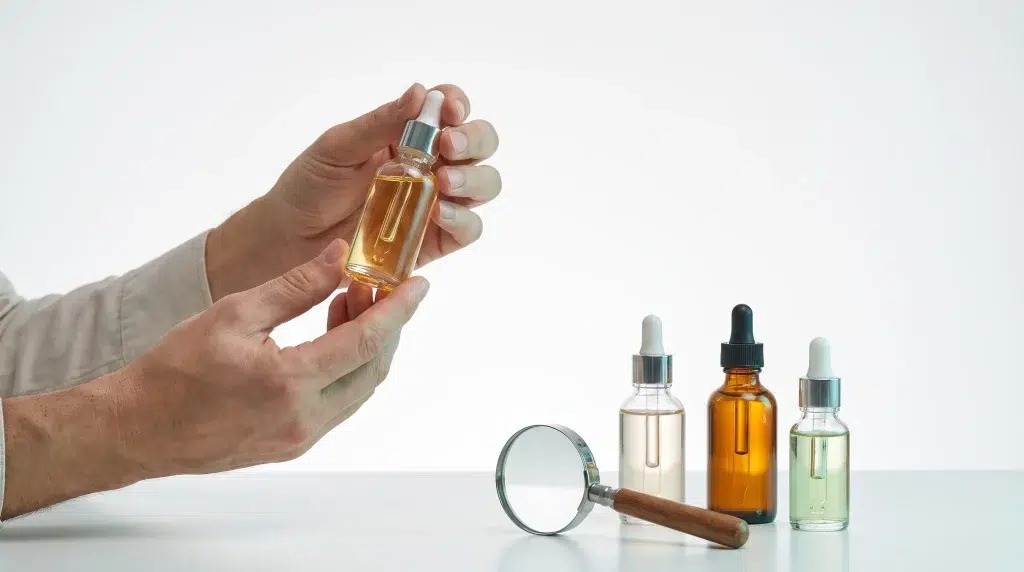
If you choose to test a drink, the process is designed to be quick. DrinkCheck uses two reaction areas on the strip. Two drops of the drink are applied to the reaction areas, and the result is checked after about 15 seconds.
The strip should not be dunked into the drink. Instead, follow the instructions supplied with the specific product and use a fresh strip for the drink sample being checked.
The screening panel includes GHB, ketamine, scopolamine, cocaine, methamphetamine, and amphetamine. A drink spiking detectorcan therefore be used as a screening option when you want information about a drink before continuing with it.
There are practical limitations, too. Red wine and milk-based or highly opaque drinks can make visual interpretation harder. A color change indicates a listed substance according to the test instructions, while no change does not prove the drink is safe.
Know What the Strip Cannot Tell You
The most important part of using any screening product is understanding what its result actually means. A strip is not a laboratory analysis, forensic examination, or medical diagnosis. It is designed to screen a drink for specific substances.
That distinction matters at a festival because a simple test can otherwise create a false sense of certainty. A negative result does not guarantee that a drink is safe, and the strip cannot identify every substance that could potentially be present.
It is also not a test of a person. Calling it a “roofie test,” for example, can suggest that it diagnoses whether someone has been given Rohypnol or another substance. That is not what a drink-screening strip establishes.
Use the result as one piece of information rather than an all-clear signal. If the drink looks strange, the result is difficult to interpret, or something about the situation feels wrong, there is no requirement to keep drinking it.
Your Crew Is Still Part of the Kit

A useful night-out kit is not just equipment. Your friends are part of it, too. At a packed festival or club, having people who know where you are and who will notice when something seems wrong can make a practical difference.
If you suddenly feel unwell or unlike yourself, do not wait for a strip to explain what is happening. Stop drinking, tell a friend, speak with venue or festival staff, and get medical help when needed.
The same applies if you suspect that a drink has been tampered with. Put it down and move somewhere you feel safer. If the situation becomes an emergency in the US, use emergency services. Poison Control can also be reached at 1-800-222-1222.
A test can be useful as a screening option, but it should never delay getting help. Trusting your instincts is still important.
Keep Preparation Practical, Not Paranoid
The point of a festival kit is to make a long night easier, not more complicated. Earplugs can make loud sets more comfortable. A battery keeps your phone available for tickets, directions, and finding friends. A sealed single-use drink strip adds another option for people who want to screen a drink before continuing with it.
That is a more useful mindset than treating a test as a guarantee. Know how it works, know what it covers, and know where its limitations begin. Then get back to the reason you came out in the first place: the band, the DJ, the crowd, and the atmosphere.
For anyone considering adding one to their festival kit, check the product page for how the strips are sold and used before heading out.
Preparation does not have to mean panic. It can simply mean carrying a few small things that help you make informed choices during a busy night.
Conclusion
A good night-out kit is about practical preparation rather than overthinking the experience. Earplugs, a charged battery, and a sealed drink-testing pouch are all small additions that can fit easily into the same festival bag or pocket.
Drink screening should be viewed in the same practical way. A single-use strip can screen a drink for specific listed substances, but it is not a guarantee of safety, a medical test, or a replacement for emergency help. The result has to be understood within those limits.
The bigger picture remains simple: stay connected with your crew, pay attention to how you feel, and get help quickly if something seems wrong. For those who want to add drink screening to their festival setup, the product page provides the details on how the strips are sold and used.
Good preparation should leave more room for the music, not less.