An engineering design can be technically sound and still fail in practice. A delayed permit, misunderstood client requirement, unrealistic budget or poorly managed supplier can disrupt a project long before anyone questions the calculations.
Modern engineering education reflects that reality. Technical depth remains essential, but graduates also need to explain decisions, assess commercial constraints and coordinate people whose expertise may be very different from their own.
When Technical Expertise Meets Project Responsibility
The shift becomes particularly visible when engineers move from completing assigned calculations to taking responsibility for an entire project. They may need to estimate costs, defend a schedule, manage risk and translate a technical problem for executives or clients.
Engineers exploring that transition can compare masters in engineering management by location, study format, duration, tuition fee and degree type. The results cover programmes focused on areas including strategy, finance, operations, project management, analytics and technological innovation, allowing applicants to examine how individual curricula combine engineering with organisational responsibility.
That distinction is important because engineering management is not simply general business education with a technical label. Its purpose is to connect management decisions with the practical demands of developing products, infrastructure and complex systems.
One Project, Several Competing Priorities
Consider the installation of a new renewable energy system for an industrial site. Engineers must determine whether the design is safe and efficient, but that is only one part of the work.
The client may prioritise a short payback period, regulators will examine compliance, procurement teams will question supplier availability, and operations staff will want equipment that can be maintained without lengthy shutdowns. A technically superior option may therefore need to be revised because it is too expensive, difficult to source or unsuitable for the site’s daily operation.
Students need practice handling these competing priorities before they are expected to manage them professionally. Useful assignments now extend beyond conventional examinations and may involve:
- Preparing a budget that accounts for equipment, labour, delays and contingency costs.
- Presenting the same proposal differently to engineers, investors and local authorities.
- Comparing design options using technical, environmental and commercial criteria.
- Negotiating responsibilities within a multidisciplinary project team.
- Responding to a simulated safety, supply-chain or scheduling problem.
These exercises do not replace mathematics, modelling or laboratory work. They show students how technical evidence functions when decisions involve money, deadlines, regulation and public responsibility.
They also expose weaknesses that calculations alone may hide. A student may identify the correct solution yet struggle to document assumptions, challenge an unrealistic deadline or explain why a lower-cost alternative creates greater long-term risk.
The Difficult Handover From Design to Delivery
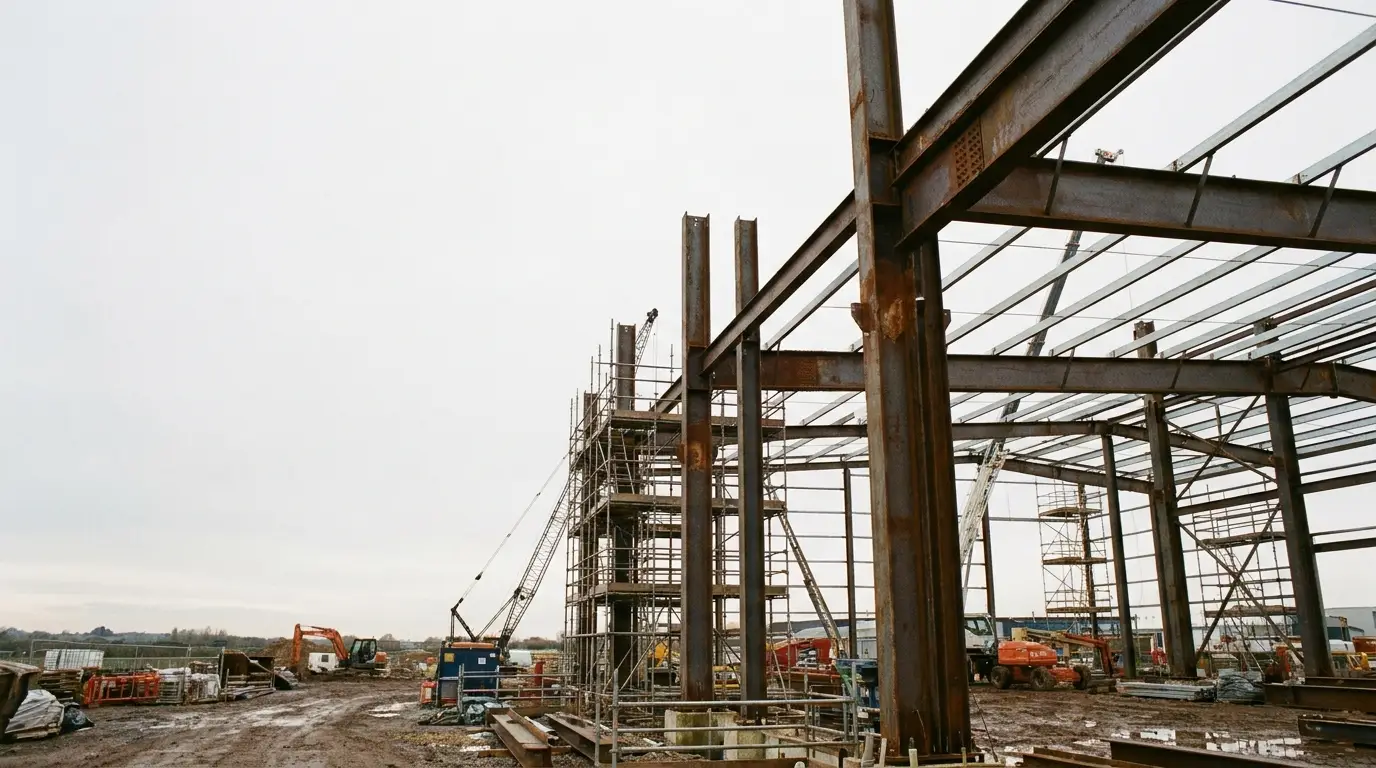
Many project problems appear when responsibility moves from one specialist group to another. Design engineers, contractors, procurement staff and site managers may use different terminology or interpret the same requirement differently.
Good engineering project management keeps technical reasoning connected to scope, schedules, available resources and work on site. Students therefore benefit from assignments that require them to record decisions, identify dependencies and explain how one design change could affect purchasing, construction and commissioning.
This form of coordination is difficult to assess through a closed-book examination. It becomes visible when students must work with incomplete information and take responsibility for the consequences of their recommendations.
Skills That Travel Between Technologies
Specific tools change quickly, so engineering graduates cannot rely on one software package or technical method throughout their careers. The World Economic Forum reports that employers expect 39% of workers’ key skills to change by 2030, with AI, big data and technological literacy among the fastest-growing areas. Analytical thinking remains a leading core skill, while leadership, collaboration and environmental stewardship are also gaining importance.
Professional expectations already reflect this broader profile. The International Engineering Alliance’s Graduate Attributes and Professional Competencies framework includes communication, ethics, teamwork, judgement, project management and professional responsibility alongside engineering knowledge and problem analysis.
The Engineer as a Decision-Maker
Engineering education is expanding because the profession itself has expanded. Engineers increasingly influence investment, sustainability, safety and operational choices rather than contributing technical answers in isolation.
The strongest graduate is therefore not the person who knows slightly less engineering and slightly more business. It is the person who can preserve technical quality while navigating the financial, human and regulatory conditions that determine whether a project is ever completed.