Atlanta’s creative economy has reached a tipping point. Between the city’s expanding film industry, its deep-rooted music legacy, and a growing community of independent artists, demand for professional studio space has never been higher. For performers, producers, and visual artists alike, finding the right environment can mean the difference between a project that stalls and one that takes flight.
The appeal of dedicated studio space goes beyond square footage. It’s about access to acoustically treated rooms, proper lighting infrastructure, and the kind of uninterrupted focus that home setups rarely provide. In a city where creative output directly fuels economic growth, the right space becomes more than a convenience—it’s a competitive advantage.
Why Atlanta’s Studio Market Stands Apart
Atlanta’s position as a cultural crossroads gives it a distinct edge. The city has cultivated an ecosystem where hip-hop producers work blocks away from indie filmmakers, and where visual artists share neighborhoods with theater companies. This density of creative activity creates natural opportunities for collaboration and cross-pollination of ideas.
Several factors make Atlanta particularly attractive for studio renters:
- Genre Diversity: From trap music to contemporary dance, Atlanta’s creative output spans an unusually wide spectrum. This diversity means studio spaces must accommodate varied technical requirements, from soundproofing specifications to ceiling heights.
- Professional Networks: The concentration of creative professionals creates organic networking opportunities. A recording session might lead to a film score opportunity; a gallery opening could spark a multimedia collaboration.
- Infrastructure Investment: Georgia’s entertainment sector has grown exponentially, driving corresponding investment in professional creative facilities.
- Cost Efficiency: Compared to coastal markets like Los Angeles or New York, Atlanta offers significantly lower overhead while maintaining professional-grade facilities.
The city’s creative infrastructure has matured alongside its reputation. What began as converted warehouses and repurposed industrial spaces has evolved into purpose-built facilities designed specifically for modern creative workflows.
Studio Options Across Atlanta’s Westside
The western corridor of Atlanta has emerged as a particular hub for creative space. The area’s industrial heritage left behind large-format buildings ideal for conversion, while its proximity to downtown keeps it accessible for collaborators and clients.
Studio configurations in this area typically fall into several categories:
- Recording Studios: These spaces feature isolation booths, control rooms with professional monitoring systems, and acoustic treatment calibrated for critical listening. Many include vintage analog equipment alongside modern digital workstations.
- Visual Arts Studios: High ceilings, north-facing windows, and open floor plans characterize these spaces. Many include dedicated areas for messy processes like welding or ceramics, with proper ventilation and utility hookups.
- Dance and Movement Studios: Specialized flooring systems that reduce impact stress, full-length mirrors, and sound systems designed for choreography work define these spaces. Climate control becomes particularly important for dancer comfort during intensive rehearsals.
- Multi-Use Performance Venues: Flexible spaces that can accommodate everything from intimate acoustic sets to small theatrical productions. These often include basic lighting grids and sound reinforcement systems.
Transportation access remains a practical consideration. The westside benefits from MARTA connectivity and highway proximity, making load-in manageable for equipment-heavy projects. Surrounding amenities—from equipment rental houses to late-night diners—add to the area’s functionality for working creatives.
Maximizing Your Studio Investment
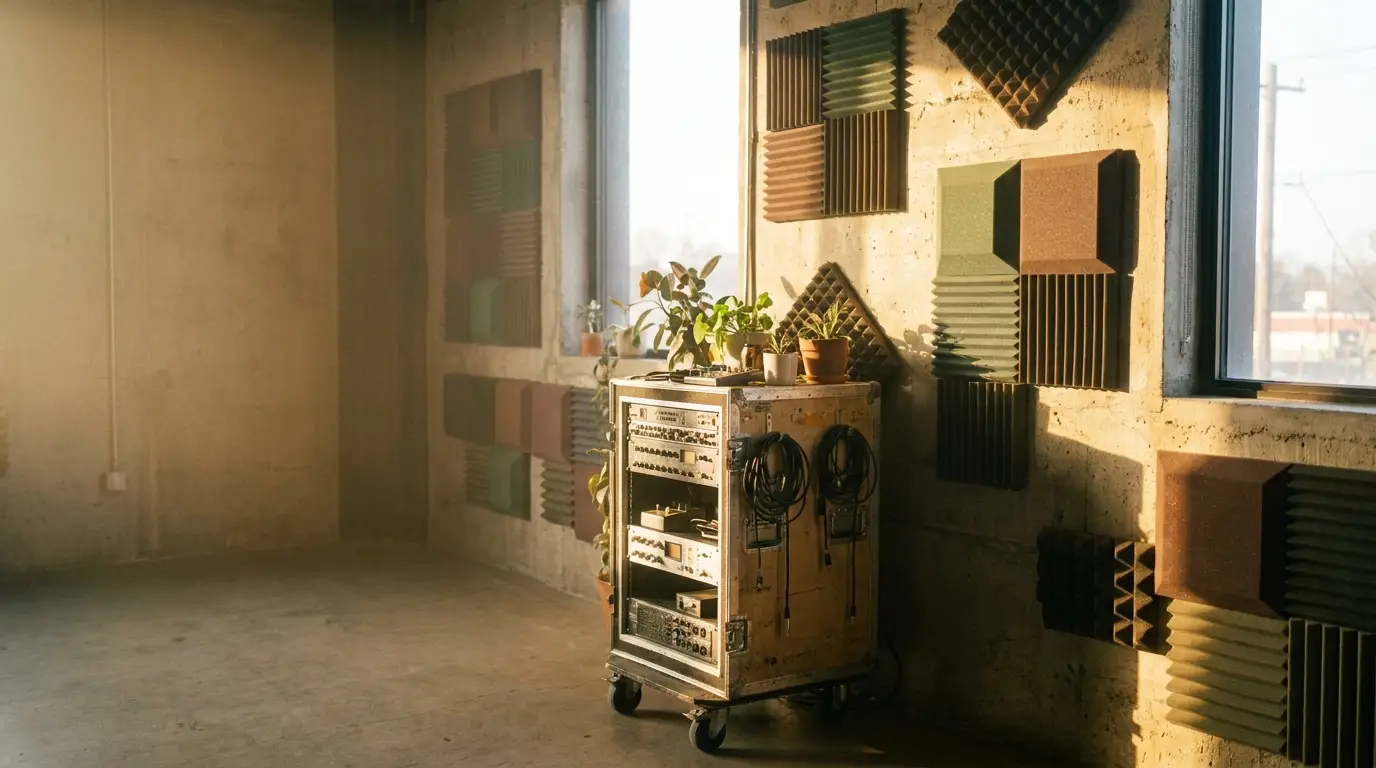
Renting space is one thing; optimizing it for your specific workflow is another. The most successful studio users approach their space as a tool that requires thoughtful configuration.
Key optimization strategies include:
- Acoustic Treatment: Even in pre-treated spaces, adding bass traps and diffusion panels in strategic locations can dramatically improve sound quality.
- Lighting Design: Layered lighting systems that separate task lighting from ambient and accent lighting provide flexibility for different creative needs. Dimmable LED systems offer energy efficiency without sacrificing control.
- Modular Furniture Systems: Spaces that can quickly reconfigure between different uses maximize utility. Rolling equipment racks, adjustable-height work surfaces, and mobile partition walls all contribute to flexibility.
- Cable Management: Professional installations use cable trays, floor boxes, and clearly labeled connection points. This infrastructure investment pays dividends in setup time and troubleshooting efficiency.
- Climate Control: Maintaining consistent temperature and humidity protects both equipment and performer comfort. This becomes particularly important for spaces housing vintage instruments or sensitive electronics.
Technology infrastructure deserves particular attention. Gigabit internet connectivity has become non-negotiable for file transfers and remote collaboration. Adequate power distribution—including dedicated circuits for high-draw equipment—prevents frustrating technical interruptions.
From Concept to Completion: Atlanta Studio Success Stories
Atlanta’s studio spaces have incubated projects that went on to achieve national recognition. These success stories illustrate how the right environment can accelerate creative development.
Notable examples include:
- Music Production Breakthroughs: Multiple platinum records have been tracked in Atlanta studios, with artists citing the city’s collaborative atmosphere as crucial to their creative process. The combination of technical excellence and creative community creates conditions where experimental ideas can flourish.
- Independent Film Development: Atlanta’s studio infrastructure has enabled independent filmmakers to achieve production values previously accessible only to major studios.
- Visual Arts Exhibitions: Gallery-quality studio spaces have allowed artists to develop and showcase work without relying on traditional gallery representation. This direct-to-audience model has proven particularly effective for emerging artists building their reputations.
- Theatrical Development: Several productions that premiered in Atlanta studio spaces have transferred to larger venues or toured nationally, demonstrating how these spaces serve as effective development laboratories.
The common thread across these successes is access to professional-grade infrastructure during crucial development phases. When technical limitations don’t constrain creative vision, projects can reach their full potential.
Finding Your Ideal Atlanta Studio Space
The search for appropriate studio space requires balancing multiple factors. A systematic approach helps ensure you find a space that truly serves your needs rather than settling for what’s merely available.
Consider this framework:
- Define Technical Requirements: Create a detailed list of must-have features versus nice-to-have amenities. Does your work require specific acoustic properties? Do you need three-phase power? Will you be hosting clients who expect certain presentation standards?
- Establish Budget Parameters: Beyond base rent, factor in utilities, insurance, and any required modifications. Some spaces include amenities like internet and climate control; others meter these separately.
- Evaluate Location Strategically: Consider not just your own commute but also accessibility for collaborators and clients. Proximity to complementary businesses—equipment rental, post-production services, or even good coffee—can significantly impact day-to-day workflow.
- Assess Lease Flexibility: Creative projects often have variable space needs. Month-to-month arrangements offer flexibility but typically command premium rates. Longer commitments reduce costs but require confidence in your space requirements.
- Inspect Thoroughly: Visit during the time of day you’ll actually be working. Check for noise bleed from adjacent spaces, evaluate natural light quality, and test internet speeds. Bring equipment to verify power adequacy and acoustic properties.
- Research the Community: Talk to current tenants about management responsiveness, building maintenance, and the overall creative community. A supportive environment can provide unexpected opportunities for collaboration and growth.
For those seeking comprehensive facilities designed specifically for content creation, Studio Space Atlanta offers professional-grade recording studios, production spaces, and performance venues with the technical infrastructure serious projects demand — comparable in caliber to established names like Tree Sound Studios and Doppler Studios.
The Strategic Value of Dedicated Creative Space
The decision to rent studio space represents more than a real estate transaction—it’s an investment in creative infrastructure that can fundamentally change how you work. Atlanta’s combination of professional facilities, collaborative community, and relative affordability creates conditions where creative ambitions can scale effectively.
The advantages extend beyond the obvious:
- Professional Credibility: A dedicated studio space signals commitment to your craft. It provides a professional environment for client meetings and collaborations that home setups simply cannot match.
- Creative Boundaries: Physical separation between living and working space helps maintain focus and establishes healthy boundaries. The commute to your studio, even if brief, creates psychological transition time that enhances productivity.
- Community Access: Studio buildings often house multiple creative professionals, creating organic opportunities for collaboration, skill-sharing, and mutual support that isolated home studios lack.
- Scalability: As projects grow, dedicated space can accommodate expanded equipment, additional collaborators, and more ambitious productions without the constraints of residential settings.
Atlanta’s creative economy continues to expand, driven by both homegrown talent and professionals relocating from higher-cost markets. This growth sustains a robust ecosystem of studio spaces serving every creative discipline and budget level. For artists and performers ready to invest in their craft’s infrastructure, the city offers both the facilities and the community to support serious creative work.