

White rice nutrition facts can make meal planning easier when you want clear numbers for calories, carbs, protein, fat, and portion sizes.
It is one of the most common grains because it cooks quickly, has a mild flavor, and pairs well with vegetables, eggs, beans, fish, chicken, or curries.
This blog will walk you through the calories, nutrition, serving-size breakdowns, health benefits, and simple ways to enjoy 1 cup it rice.
Why is White Rice Nutritious?
White rice often gets attention for its carbohydrate content, but it also provides energy along with small amounts of protein, vitamins, and minerals.
While they contain less fiber than brown rice, enriched white varieties replace nutrients such as folate, iron, and B vitamins that are lost during milling.
For many people, white rice nutrition facts show that it is easy to digest and works well as part of a balanced meal when paired with vegetables, lean protein, and healthy fats.
White Rice Nutrition Facts
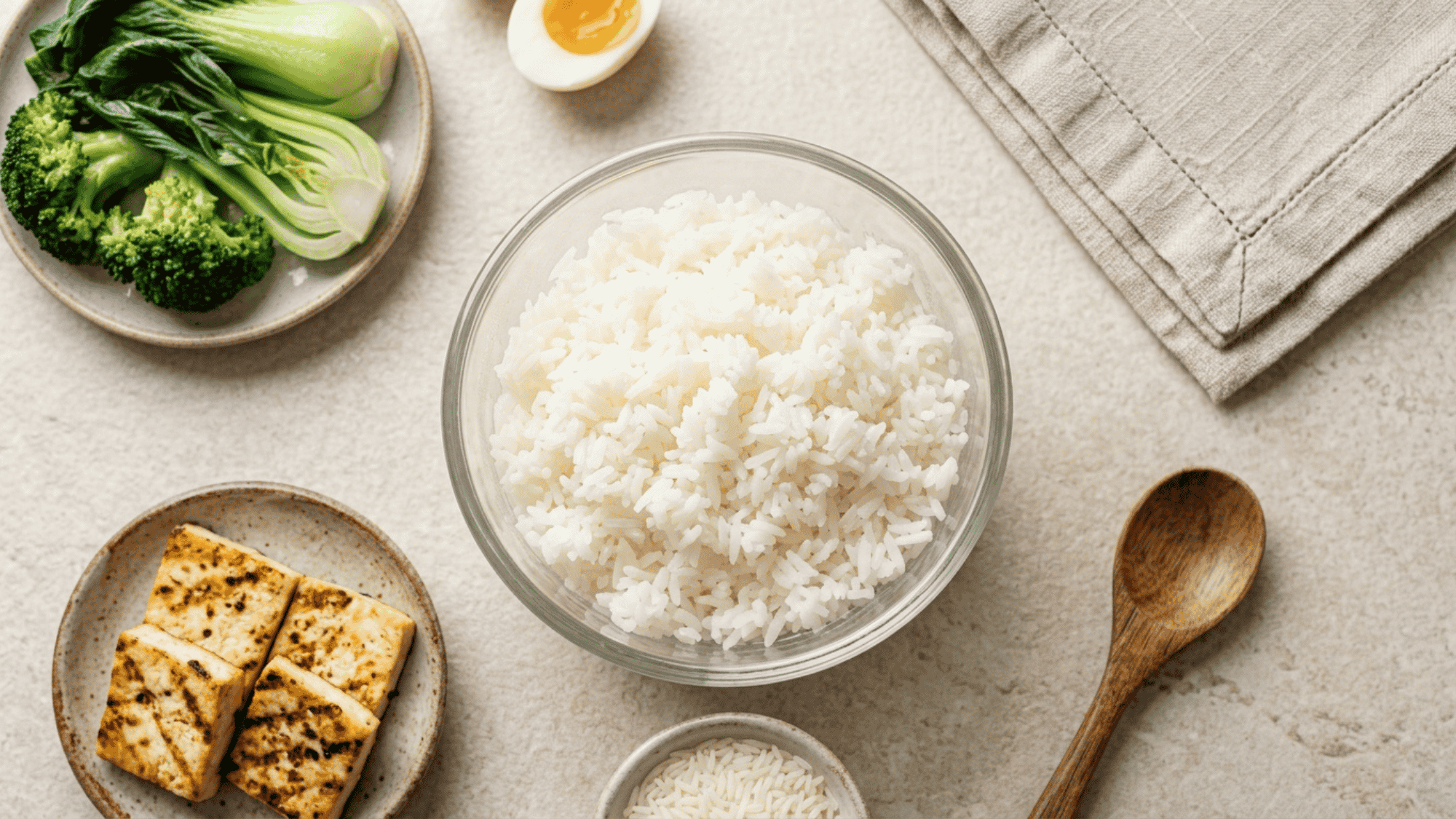
While the exact values can vary slightly depending on the variety and cooking method, the nutrition information below is based on approximately 1 cup (158 g) of cooked enriched white rice.
1. Calories
Most of the calories in white rice come from carbohydrates, making it a simple source of energy. One cup of cooked white rice contains 205 kcal.
The calorie count increases with larger servings, so portion size matters when planning meals for weight, fitness, or blood sugar goals.
2. Carbohydrates
Carbohydrates are the main nutrient in white rice and help fuel daily activities, as one cup contains 44.5 g of carbs, 0.6 g of fiber, and less than 0.1 g of natural sugar.
Because white rice is lower in fiber than whole grains, pairing it with vegetables, beans, or protein can make the meal more balanced.
3. Protein
White rice contains a small amount of plant-based protein. One cup provides 4.3 g protein, so it pairs well with beans, lentils, eggs, fish, or chicken.
It should not be your main protein source, but it can still complement a meal when paired with other protein-rich foods.
4. Fat
White rice is naturally very low in fat. One cup contains 0.4 g of total fat, less than 0.1 g of saturated fat, and 0 mg of cholesterol.
Most added fat comes from what is cooked or served with rice, such as oil, butter, sauces, fried toppings, or creamy curries.
5. Serving-Size-Based Breakdown
Portion size makes a noticeable difference in calorie and carbohydrate intake. Comparing portions also helps explain why the calories in cooked rice increase steadily as the serving size grows.
| Serving | Calories | Carbs | Protein | Fat |
|---|---|---|---|---|
| ½ cup cooked | 103 kcal | 22 g | 2.1 g | 0.2 g |
| 1 cup cooked | 205 kcal | 44.5 g | 4.3 g | 0.4 g |
| 1½ cups cooked | 308 kcal | 67 g | 6.4 g | 0.6 g |
| 2 cups cooked | 410 kcal | 89 g | 8.6 g | 0.8 g |
Health Benefits of White Rice
White rice can fit into many healthy eating patterns when portions are balanced with other nutritious foods.
It may not contain as much fiber as whole grains, but it still offers several benefits for many people.
White rice provides quick energy through easily digested carbohydrates and is naturally low in fat. It can also feel gentle on the stomach, especially during recovery from digestive discomfort.
Widely enriched varieties contain added iron, folate, and B vitamins. White rice is also naturally gluten-free and pairs well with vegetables, legumes, seafood, or lean meats for a more balanced meal.
Potential Drawbacks of Eating White Rice
White rice can fit into a healthy diet, but eating large portions or relying on it as your main source of carbohydrates may have some drawbacks.
- Lower in fiber: White rice contains less fiber than brown rice, so it may not keep you full for as long.
- May raise blood sugar faster: Because it is a refined grain, white rice generally has a higher glycemic index than many whole grains.
- Lower in some nutrients: Milling removes the bran and germ, reducing naturally occurring vitamins, minerals, and antioxidants, although many brands are enriched afterward.
- Large portions add calories: Eating oversized servings regularly can increase calorie intake without adding much fiber.
- Less protein: White rice contains only a small amount of protein, so it is best paired with foods like beans, eggs, fish, tofu, or lean meat to create a balanced meal.
Healthy White Rice Recipes to Try
Simple additions can make white rice part of a balanced meal without complicating preparation. Using vegetables, protein, and healthy fats also improves the overall nutritional value.
1. Chicken and Rice Soup
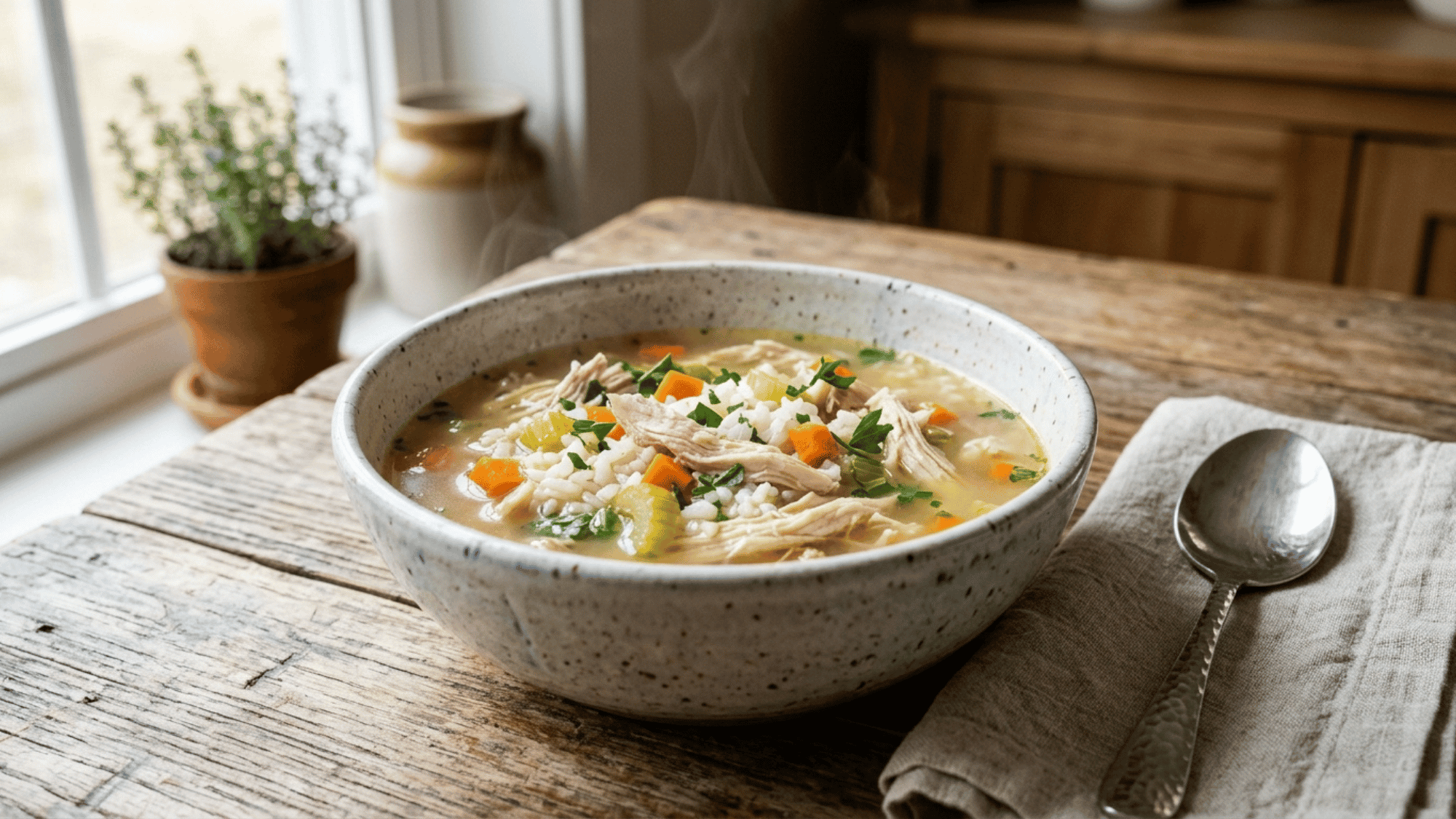
This light soup is warm, comforting, and easy to prepare. It makes a satisfying meal with simple ingredients.
Ingredients: Cooked white rice, shredded chicken, carrots, celery, onion, chicken broth, black pepper, parsley
Preparation Steps
- Cook the onion, carrots, and celery in a pot until softened.
- Pour in the chicken broth and bring it to a gentle simmer.
- Add the shredded chicken and cook for a few minutes.
- Stir in the cooked white rice and season with black pepper.
- Garnish with parsley and serve hot.
2. Vegetable Rice Bowl
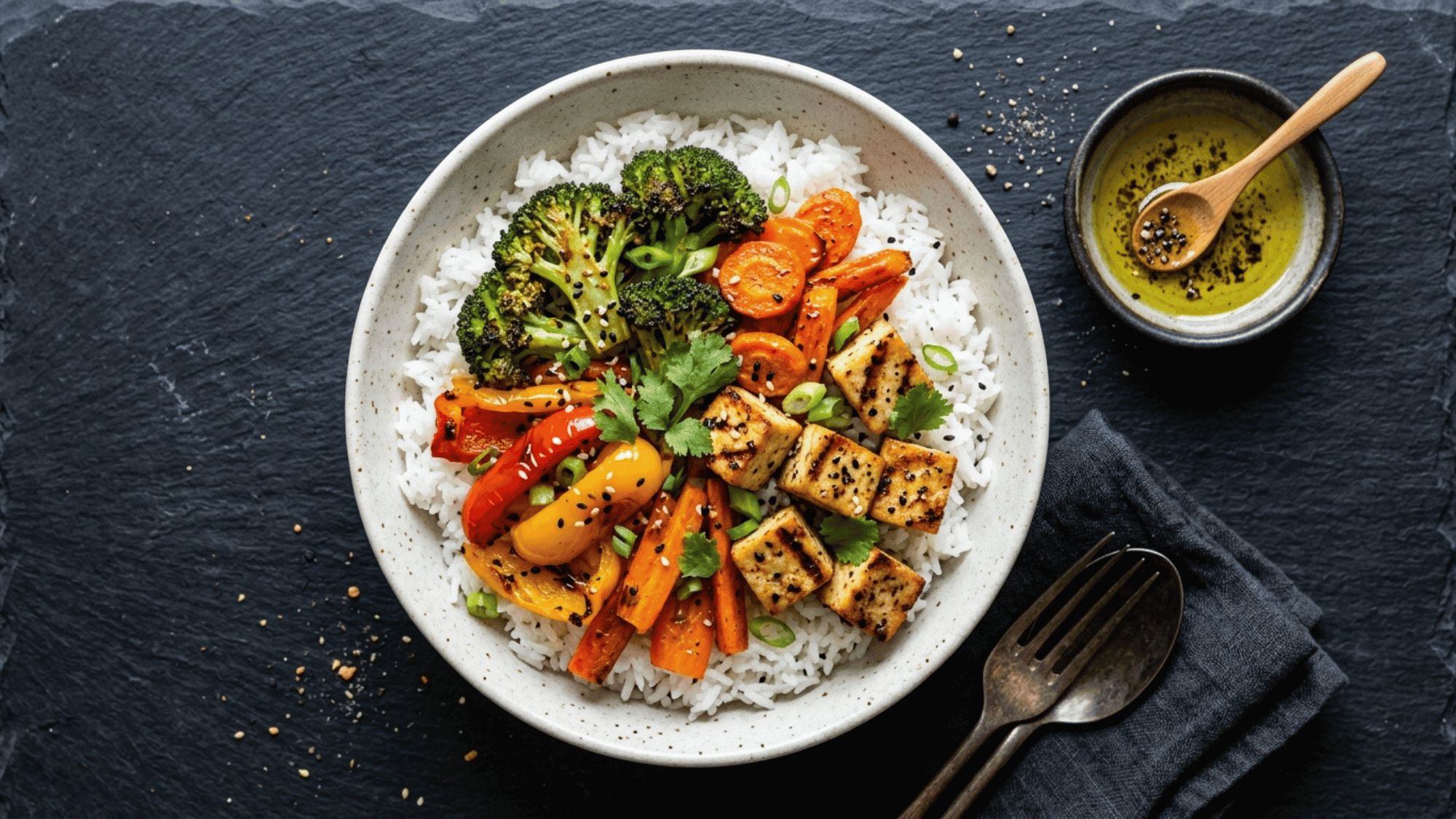
This colorful rice bowl combines white rice with roasted vegetables and lean protein for a filling meal. It works well for lunch or dinner.
Ingredients: Cooked white rice, broccoli, carrots, bell peppers, olive oil, grilled chicken or tofu, salt, black pepper
Preparation Steps
- Roast the vegetables with olive oil, salt, and pepper until tender.
- Add the cooked white rice to a serving bowl and top with the vegetables.
- Finish with grilled chicken or tofu and serve warm.
3. Salmon Rice Bowl
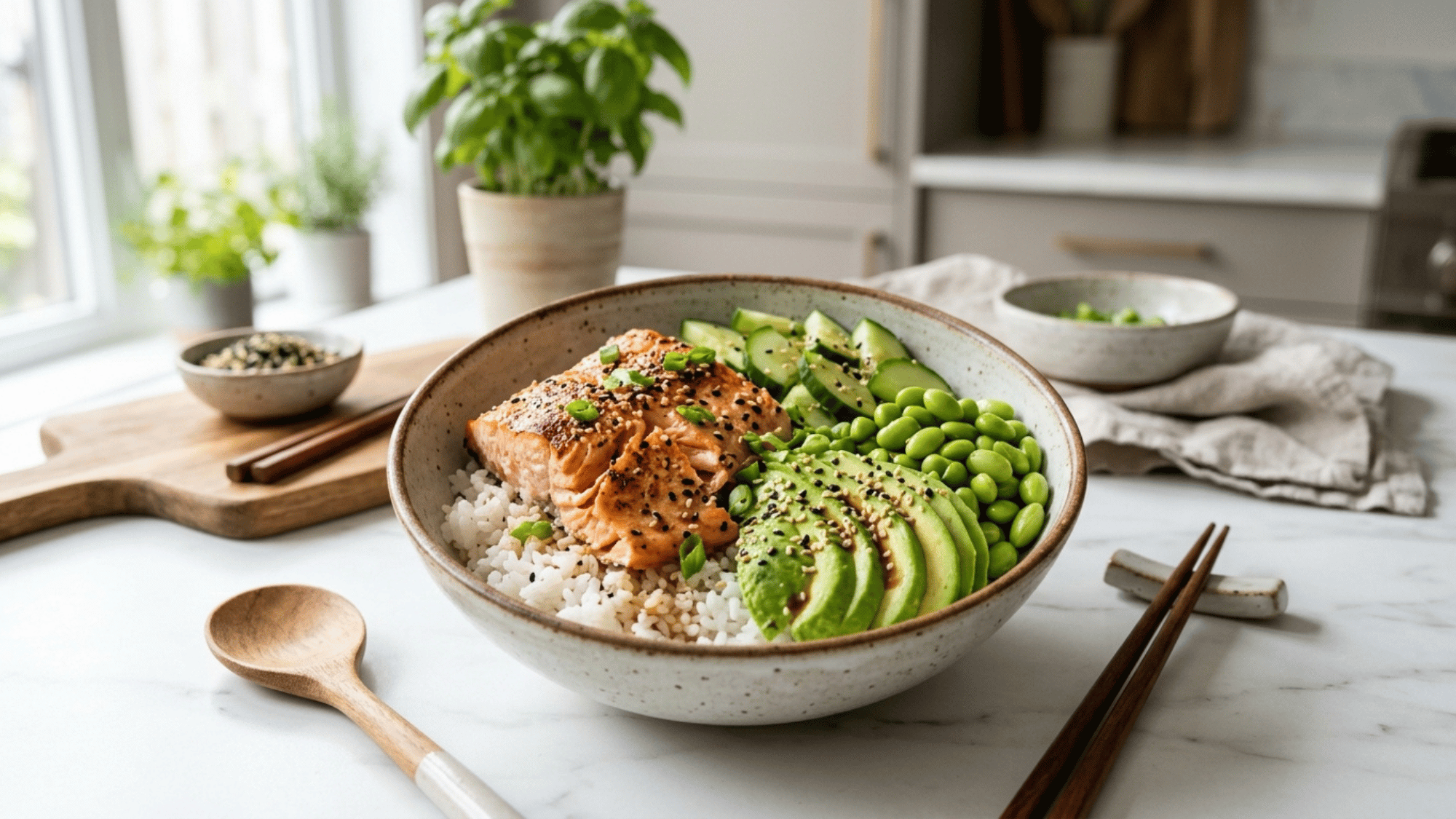
This fresh rice bowl combines baked salmon with crisp vegetables for a balanced meal that is both light and filling.
Ingredients: Cooked white rice, salmon fillet, cucumber, avocado, edamame, soy sauce
Preparation Steps
- Bake the salmon until fully cooked.
- Place the cooked white rice in a bowl.
- Arrange the salmon, cucumber, avocado, and edamame on top.
- Drizzle with soy sauce and serve immediately.
How it Compares to Other Rices
Different rice varieties have similar calories, but they vary in fiber, texture, and nutrient content. The values below make it easier to understand white rice nutrition facts and compare nutrients.
| Nutrient / Feature | White Rice | Brown Rice | Jasmine Rice | Basmati Rice | Wild Rice |
|---|---|---|---|---|---|
|
Calories (1 cup cooked) |
205 | 216 | 205 | 190–200 | 166 |
|
Fiber |
Low | Higher | Low | Low | Higher |
|
Protein |
4.3 g | 5 g | 4.2 g | 4 g | 6.5 g |
| Texture | Soft and fluffy | Firm and chewy | Soft and slightly sticky | Light and separate | Chewy and firm |
Wrapping it Up
White rice does not need to be removed from the plate to eat well. The key is to understand the serving size and build the meal around balance.
A bowl of rice becomes more filling when it includes protein, vegetables, and a small amount of healthy fat. This can help support steady energy and better portion control.
Use the nutrition numbers as a simple reference, not a strict rule. With the right pairings, white rice can stay a practical and enjoyable part of everyday meals.
Frequently Asked Questions
Will Eating Rice Raise Blood Sugar?
Yes. White rice can raise blood sugar because it is rich in carbohydrates. Pairing it with protein, fiber, and healthy fats may help slow the rise in blood sugar after a meal.
Why Are the Japanese so Healthy if They Eat Rice?
Health is influenced by the overall diet and lifestyle, not rice alone. Traditional Japanese meals often include vegetables, fish, soy foods, smaller portions, and regular physical activity.
Is White Rice Good for Hypertension?
White rice itself is naturally low in sodium and can fit into a blood pressure-friendly diet. The overall meal matters more, especially limiting high-sodium sauces and processed foods.