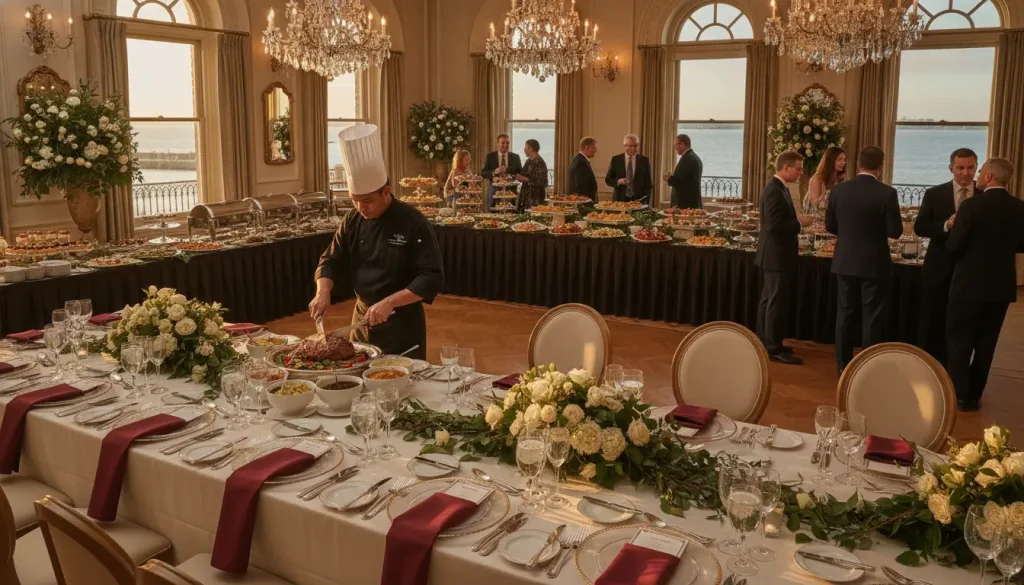
Event planning in Baltimore often starts with the setting. A waterfront reception, museum gathering, corporate dinner, or private celebration can each create a different rhythm for guests. Food service plays a major role in that rhythm, from how people move through the room to how long they stay at the table. The right catering style should support the mood of the event, the comfort of the guests, and the flow of the schedule. When these details align, the meal feels natural within the whole event experience.
Plated Service for a More Formal Event Flow
A seated dining format gives formal events a calm and organized rhythm. Guests remain at assigned tables while each course arrives in a planned sequence, so speeches, presentations, dances, and awards can fit into the schedule with less disruption. This approach suits Baltimore weddings, galas, fundraisers, and corporate dinners that need a refined room experience. Service staff can time each course with the program, which helps the meal feel connected to the larger event. Guests also receive a consistent presentation, from the first plate to the final course. For hosts who want elegance, order, and a clear sense of occasion, plated food service can make the dining portion feel polished without pulling attention away from the event itself. The result feels calm, graceful, and carefully coordinated for everyone across every table.
Buffet Catering for Flexible Guest Choices
Greater menu freedom can make a meal feel more relaxed and approachable. Guests can choose portions, combine dishes, and return to their seats with plates that match their preferences. This format suits Baltimore company parties, family gatherings, casual receptions, and community events where variety helps serve different tastes. A strong layout keeps the line moving through clear placement of salads, entrees, sides, sauces, and desserts. Space also needs attention, since crowded serving areas can slow the room and affect guest comfort. Staff can guide traffic, refresh dishes, and keep the presentation neat throughout the meal. For hosts who want abundance without a strict seated sequence, buffet catering gives guests choice while still supporting an organized dining flow. It can also make mixed dietary needs easier to manage in one setting.
Food Stations for a More Social Atmosphere
Separate serving areas can turn the meal into a more active part of the event. Guests move between different food experiences, such as carving, pasta, seafood, salad, slider, dessert, or late-night snack stations. This setup suits modern weddings, networking receptions, milestone parties, and Baltimore venues with open rooms that invite movement. Each station can create a small point of conversation, which helps guests interact beyond their assigned tables or original groups. The plan should place stations far enough apart to reduce crowding while keeping the room easy to navigate. Timing also needs care, especially for chef attended items that take longer to serve. With the right flow, stations add variety, movement, and a social tone to the dining experience. Guests can explore at their own pace comfortably and confidently.
Family Style Service for Warm Shared Dining
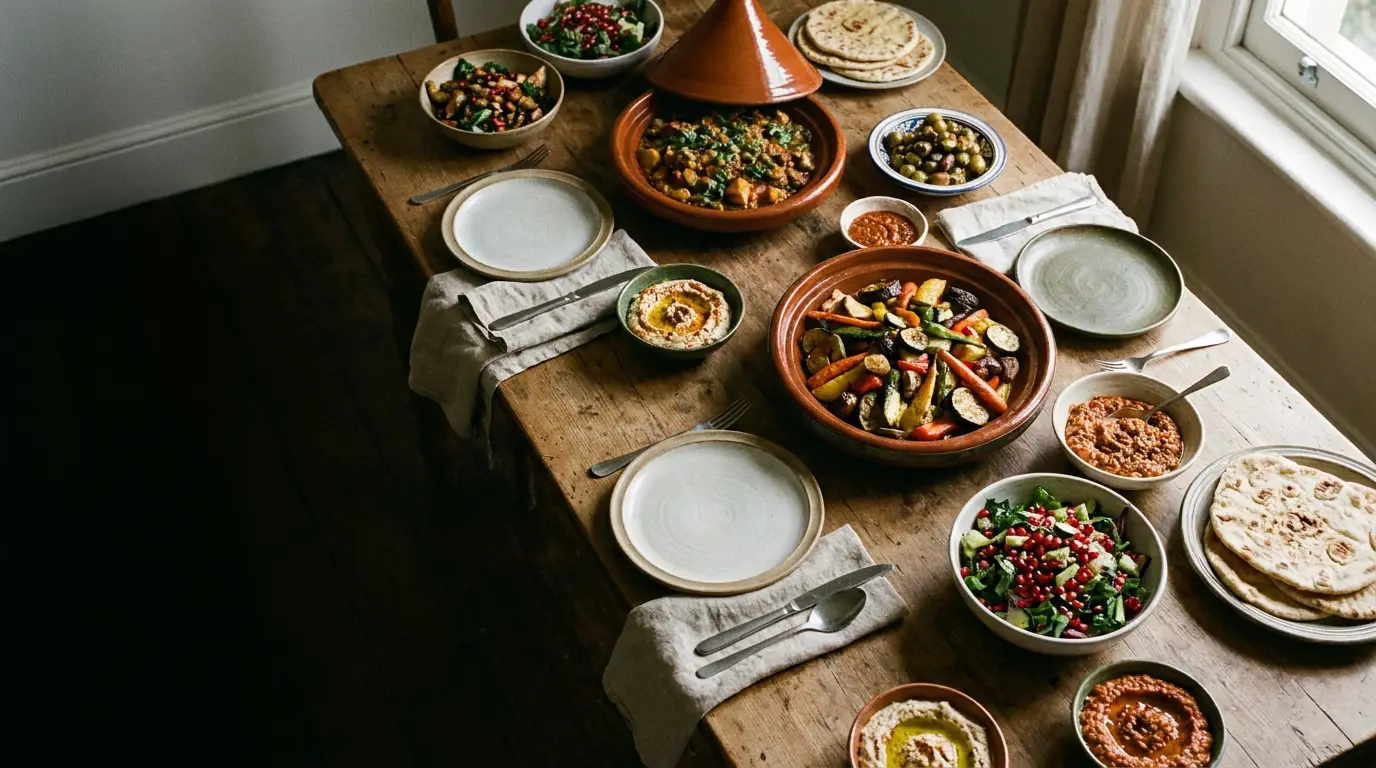
Shared dishes at the table can make a meal feel generous and personal. Guests stay seated while platters and bowls move within the group, which naturally supports conversation. This format suits rehearsal dinners, small weddings, private celebrations, and milestone events where connection is part of the mood. It offers more choice than plated service while keeping the comfort of a seated meal. Table space needs careful planning, since serving pieces must fit beside plates, glassware, flowers, and decor. Portions should also be arranged so each table receives enough variety without feeling crowded. For Baltimore gatherings with an intimate tone, family style service can bring warmth to the room and make the meal feel closely tied to the people sharing it. Each table gains its own welcoming rhythm during the meal.
Cocktail Style Catering for Easy Mingling
A reception built around movement can benefit from smaller portions and lighter service. Guests can enjoy passed bites, small plates, or grazing displays while they talk, network, and explore the room. This setup fits gallery events, corporate mixers, engagement parties, fundraiser openings, and waterfront gatherings where a full seated meal may feel too structured. The menu should be easy to handle, with items that do not require complicated utensils or large tables. Seating can still appear through lounge areas, high tops, or small clusters, giving guests places to pause. Strong pacing keeps food moving through the space without interrupting conversation. For shorter programs or social events, cocktail style catering can keep the room energetic while still giving guests a complete food experience. It works best with steady attentive service overall.
Venue Layout as a Guide for Service Style
Every room has limits that shape the best way to serve food. A wide ballroom may support plated tables, while an open hall may fit stations or buffet lines more comfortably. Historic Baltimore buildings can include narrow corridors, stairs, limited prep areas, or rules about equipment placement. Outdoor tents, waterfront spaces, museums, and private homes also affect how guests move, where staff work, and where food can be presented. The service style should match entry points, table spacing, kitchen access, rental needs, and the overall floor plan. A format that suits the venue keeps the dining portion from feeling crowded or awkward. When the room and service plan work together, guests can focus on the event rather than the logistics around them. Good planning makes the space easier to use.
Guest Count, Budget, and Timeline as Final Deciding Factors
Practical details often make the final decision clearer. Guest count affects serving speed, staffing, table spacing, rental needs, and the amount of food that must move through the room. A smaller event may feel comfortable with plated or family style service, while a larger crowd may need stations, buffet lines, or a tightly timed seated meal. Budget also shapes the choice, since service formats can require different labor levels, equipment, display pieces, and setup time. The event schedule adds another layer, especially with speeches, dancing, presentations, or entertainment. A strong choice connects the dining plan to the event mood, the room, and the comfort of the guests. When those details align, the meal supports the event from the first course to the final goodbye gracefully with less stress for hosts.