

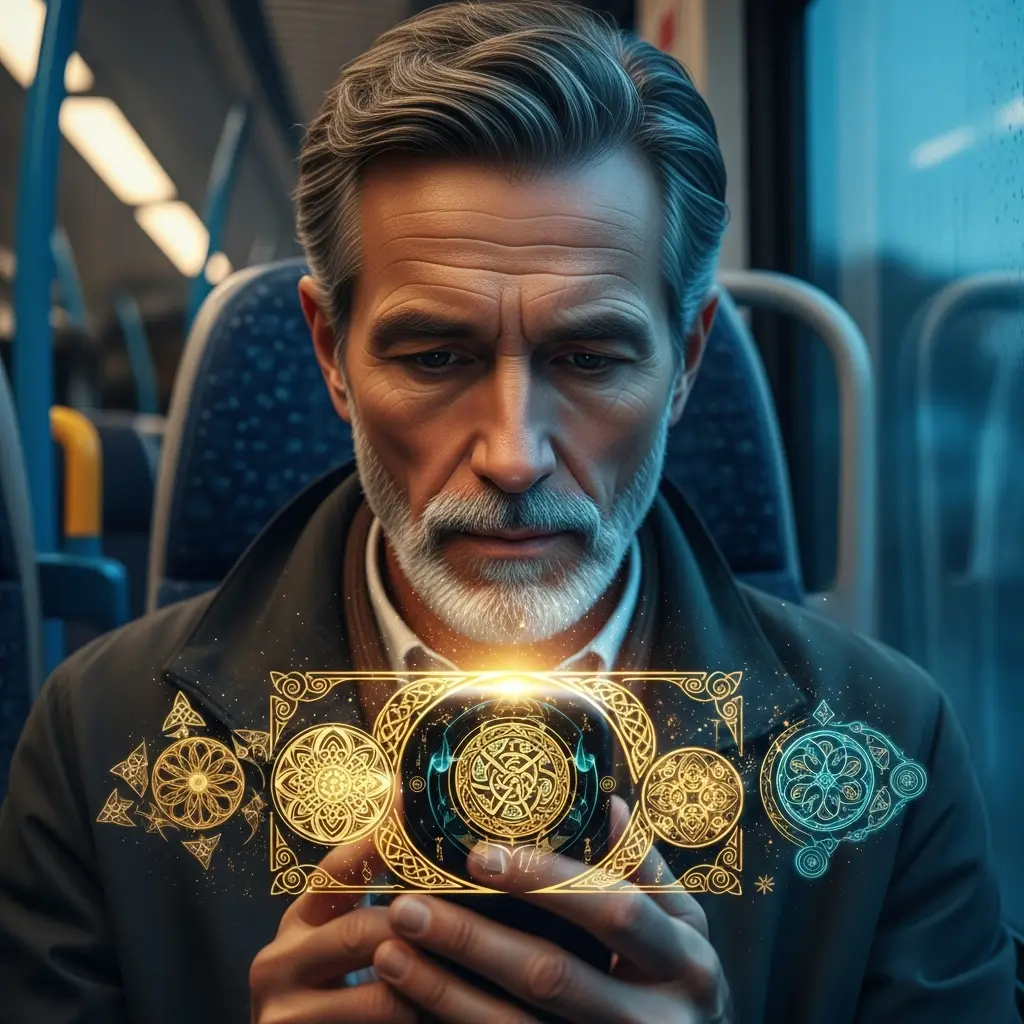
There is something about Celtic culture that just seems to stick. It doesn’t matter if you are standing in a muddy field in Somerset waiting for a headline set or sitting on a drizzly train commute through the Midlands; those ancient motifs and melodic scales have a way of finding us. It is a legacy that has travelled from stone circles and oral traditions right into the palm of our hands.
In the UK, we have always had a bit of an obsession with our roots. We see it in the way our music sounds and how our games look. This isn’t just about history books; it is about how that “Emerald influence” has morphed from 1970s vinyl sleeves into the high-definition digital experiences we enjoy today.
The Emerald Influence: Folk-Rock’s Mythical Foundation
If you look back at the late 60s and 70s, the UK indie and folk-rock scenes were practically vibrating with Celtic energy. It wasn’t just a gimmick. For bands like Thin Lizzy, Steeleye Span, and later, The Pogues, folklore provided a rich well of storytelling that felt far more authentic than the polished pop coming out of the US.
Phil Lynott, for example, was a master at this. He didn’t just write rock songs; he wrote urban myths that felt like they had been pulled straight from an ancient manuscript and plugged into a Marshall stack. This era saw a shift where “folk” stopped being something your grandad listened to in a pub and started being something rebellious. The aesthetics of these bands—heavy on the greens, the golds, and the intricate knotwork—created a visual language that defined a generation of music fans.
I find that this period was crucial because it proved that Celtic culture could be “cool.” It wasn’t just about the past; it was a living, breathing influence that could be adapted for modern tastes. That same spirit of adaptation is exactly what we see happening in the digital world now.
Visual Synergy: From Gatefold Sleeves to Glass Screens
Think back to the artwork of a 70s Irish rock album. I’m picturing the legendary work of Jim Fitzpatrick, particularly his iconic covers for Thin Lizzy. You had these sprawling, hand-drawn Celtic crosses, shimmering warrior figures, and borders that looked like they had been illuminated by a medieval monk who’d had a bit too much coffee. They were tactile, detailed, and deeply immersive.
Fast forward to today, and that visual language hasn’t disappeared; it has just upgraded its resolution. When you look at modern digital leisure titles, the transition is quite startling. For instance, the slot games we see on our phones today, such as the famous Rainbow Riches series, carry that same visual DNA but with a 21st-century sheen.
Instead of a static, faded album cover, we now have high-definition graphics where the gold glimmers, the clover leaves rustle in a digital breeze, and the colours are more vibrant than a physical print could ever be. The transition from the “analog myth” of the 70s to the “digital leisure” of today is a testament to how much we value those familiar symbols. We have moved from holding a 12-inch record sleeve to interacting with those same motifs on a glowing screen, and somehow, the magic hasn’t been lost in translation.
The Festival Gap: Leisure on the Move
If you have ever spent a weekend at a festival like Glastonbury or Reading, you know exactly what “The Festival Gap” is. It is that weird pocket of time between 11 am, when you’ve finally crawled out of your tent, and 2 pm, when the bands you actually want to see start playing. Or perhaps it is the long, sluggish journey on the shuttle bus.
This is where “Transit Leisure” comes into play. We are a generation of gig-goers who don’t really do “boredom” anymore. In the past, you might have just sat there staring at a blade of grass, but now, our mobile devices are our primary source of entertainment during the downtime.
Because we are already in a “music mindset,” we tend to look for high-fidelity entertainment that matches the energy of the event. Mobile-optimized platforms like Rainbow Riches Casino have become a bit of a go-to for music fans in these moments. They offer that quick, engaging experience that fits perfectly between sets. It is a bit of a lifestyle shift; we want our entertainment to be as portable as our playlists, and we want it to look and sound just as good as the professional production on the main stage.
Sonic Engineering: Why Audiophiles are Tuning In
Speaking of production, let’s talk about the sound. There was a time when the audio in digital games was, frankly, a bit tinny. You’d get a few bleeps and bloops that sounded like a microwave finishing its cycle. But things have changed.
Modern developers are now putting as much effort into the “Sonic Engineering” of a game as a producer might put into a studio album. For the audiophiles among us, this is a big deal. When you load up a contemporary game, you aren’t just hearing a loop; you are hearing layered compositions.
In many Celtic-themed titles, you’ll find high-quality recordings of real instruments—fiddles, uilleann pipes, and bodhráns—mixed with the kind of crisp, digital clarity you’d expect from a high-end streaming service. This level of production value is a huge part of the appeal. It creates an atmosphere that feels premium. It is no longer just about the “play”; it is about the “listen” too. I’ve noticed that if the soundscape is right, the whole experience feels more grounded and authentic, which is exactly what a sophisticated UK audience looks for.
Cultural Crossover: Nostalgia in the Digital Age
Why does this blend of old-school folklore and new-school tech work so well? I reckon it comes down to a specific kind of nostalgia that resonates with the typical British music and culture fan. We are a demographic that grew up with the stories of our islands, but we are also completely comfortable with a smartphone in our pockets.
There is a comfort in seeing a leprechaun or a Celtic knot because it feels like home, even if it is presented in a way that is thoroughly modern. It bridges the gap between our heritage and our digital future. This crossover is where the magic happens; it takes the “serious” nature of folklore and turns it into something playful and accessible.
We aren’t just looking for a way to pass the time; we are looking for a connection to something familiar. Whether it is through a riff in an indie track or a spin on a digital interface, that Celtic thread continues to weave its way through our lives.
Staying in Control
Before we wrap up, it is always worth a quick reminder to keep things balanced. Whether you are spending your weekend at a festival or just enjoying a bit of digital downtime, it is important to stay in control.
Please remember to gamble responsibly. Set your limits, take regular breaks, and never spend more than you can afford to lose. For help and support, you can visit BeGambleAware.org. 18+ only.
Looking Ahead
It is fascinating to think about where we might go next. As technology evolves—perhaps with more augmented reality or even more sophisticated haptic feedback—the way we experience Celtic culture will only get deeper.
From the hand-drawn sketches of the 70s rock era to the pixel-perfect renders of the present day, the journey of these motifs is far from over. We have taken our folklore off the dusty shelves and put it right where it belongs: at our fingertips. And honestly? I think the monks who wrote those original manuscripts would be pretty impressed by the graphics.
Whether you’re an audiophile looking for that perfect soundscape or a festival-frequenter looking to kill some time on the M4, the digital evolution of our culture ensures that the “Emerald Influence” isn’t going anywhere. It’s just getting started.