

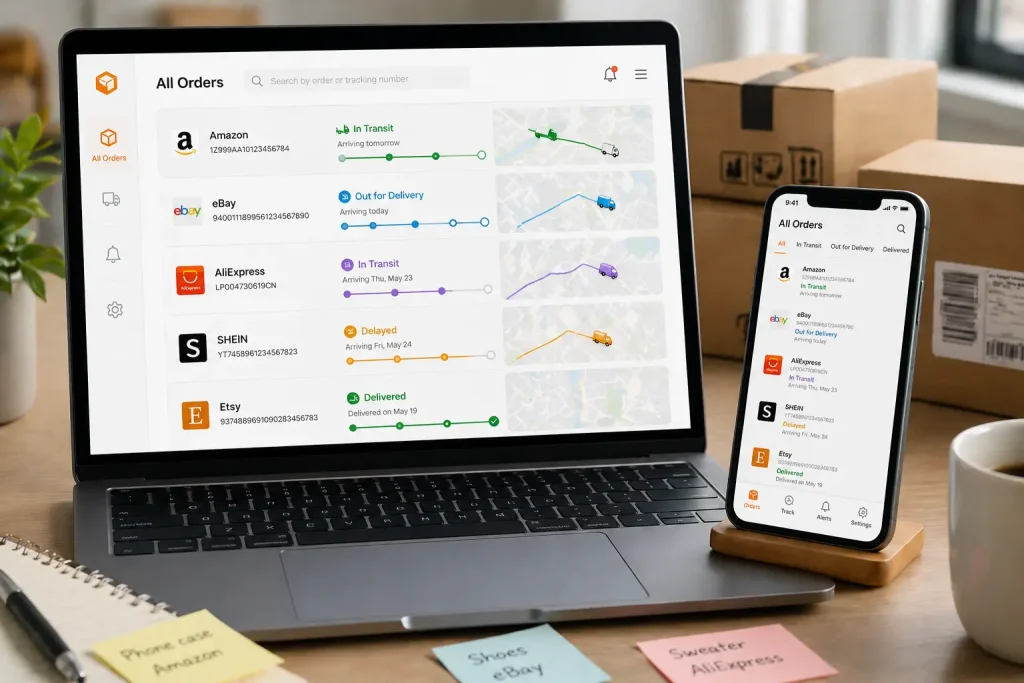
Shopping on the web today means jumping between sites and apps. You might buy a phone case on Amazon, shoes on eBay, and a sweater on AliExpress — all in one evening. Each of those orders travels through different courier networks and shows up on its own tracking page. That fragmentation is the modern shopper’s headache. Rather than checking five websites and digging through emails for tracking numbers, many consumers are using universal tracking services that combine updates from multiple marketplaces into a single, easy‑to‑read dashboard. Here’s how it works and why it’s becoming a baseline expectation.
E‑Commerce Boom: More Orders, More Couriers
The volume of goods being shipped worldwide is massive. Analysts estimate that 131 billion packages were shipped in 2020, and the number of U.S. e‑commerce users could reach 333.5 million by 2029. Each retailer partners with its preferred carriers, so one customer’s shopping basket might be delivered by UPS, USPS, FedEx, DHL, local postal services, or a regional courier. A recent press release explains that every online store chooses its own delivery partner; therefore customers must “switch between websites to get their order status”. It’s no wonder many people find tracking confusing, and younger shoppers in particular want a simple, fast way to follow every delivery.
Why Unified Tracking Is Becoming Essential
For customers, parcel tracking isn’t just about curiosity — it’s about peace of mind. A California Business Journal article notes that modern buyers expect real‑time updates, predictable delivery timelines and unified tracking across all carriers. More than half of negative post‑purchase reviews stem from lack of visibility rather than slow delivery. People forgive delays; they rarely forgive silence.
Even businesses feel the pain of fragmented tracking. Support agents waste time jumping between carrier portals, operations teams reconcile inconsistent statuses, and customers file “Where’s my order?” (WISMO) tickets when they can’t find answers. Universal tracking layers fix this by feeding all carrier data into one dashboard. In fact, brands using universal tracking platforms can monitor deliveries from over 600 carriers, see real‑time updates with consistent terminology, and offer customers one clean timeline. When a retailer shipping 18,000 orders per month switched to a universal tracking layer, tracking‑related support tickets dropped by 32% and repeat purchases increased within a quarter.
How Universal Tracking Works
A universal tracking platform sits between you and the carriers. It doesn’t move your parcels; it simply connects to hundreds (or even thousands) of courier systems and standardizes the data. A typical universal tracking service supports major couriers like DHL Express, FedEx and USPS, and lets users monitor everything on one page. You type in a tracking number once, the system detects the carrier automatically, and it displays the latest status plus the history of scans. There’s no registration required, and you can track up to 10 packages at once on desktop or mobile. Because the platform fetches data directly from each courier’s official system, you see the same status that appears on the carrier’s own site without switching tabs.
Services like track shipping status online extend this idea globally. Its database includes major shippers like USPS, UPS, DHL and FedEx, as well as many local and regional carriers. That breadth means you can follow a parcel from a small vendor in Shenzhen as easily as one dispatched from an Amazon warehouse. For cross‑border shoppers, one dashboard eliminates the language barriers and unfamiliar websites that often accompany international orders.
Multi‑Package and Split‑Shipment Tracking
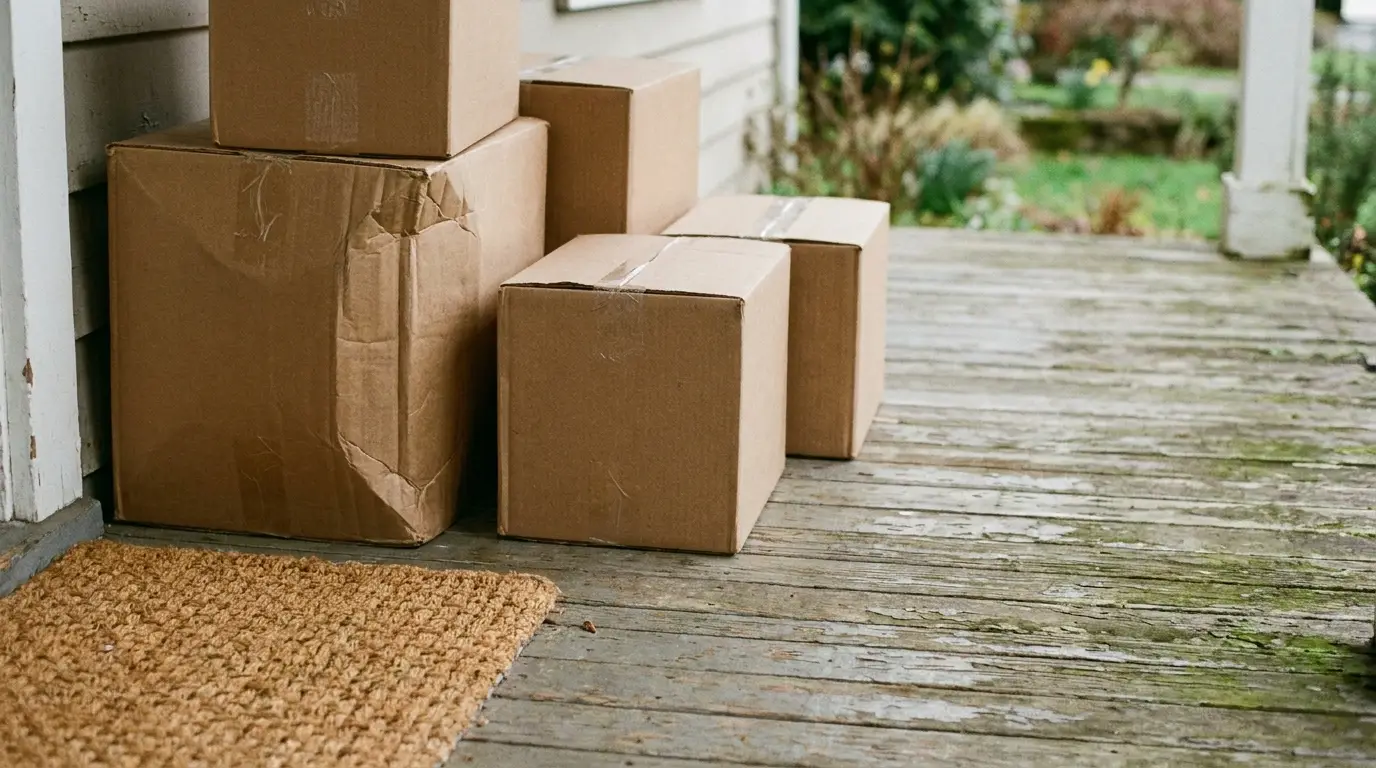
Not every order arrives in a single box. Many brands ship items from different warehouses, causing a single order to be split across multiple packages. Without unified tracking, customers might panic when the first box arrives and the second is still in transit. Industry experts argue that multi‑package tracking is essential for reducing confusion and WISMO queries. A good tracking tool will show all shipments under one order reference, link each item to its package, and highlight when one shipment is delayed while others are on track. Tables comparing basic versus multi‑package tracking show that a unified view greatly lowers customer confusion and support ticket risk.
Delivery Exceptions: Dealing With the Unexpected
No system can prevent every delay. Weather, address errors and recipient unavailability are responsible for 32%, 24% and 18% of delivery exceptions respectively. Overall, about 11% of packages encounter some exception. The key is communication. Experts recommend connecting carrier data to a central platform that flags exceptions in real time and triggers an email or SMS to the buyer as soon as a problem arises. Sending a personalised message within two hours of logging an exception can prevent up to 60% of the support contacts that would otherwise follow.
Why Shoppers Expect Real‑Time Updates
Consumer expectations have risen sharply. A Tive report notes that 64% of customers consider real‑time tracking essential, and 82% expect proactive updates about their orders. Delivering on those expectations directly impacts profitability. Research cited in Harvard Business Review suggests that increasing customer retention by just 5% through better visibility can boost profits by 25–95%. Universal tracking services help brands meet these expectations by consolidating data and automating notifications. For shoppers, that means fewer moments of uncertainty and a smoother post‑purchase experience.
The Bigger Picture
The shift toward unified tracking is part of a broader move toward transparency in logistics. When the eLogii team explored universal parcel tracking, they emphasised that such tools allow users to see a package’s entire journey and receive updates whenever the shipment moves, regardless of which carriers handle it. They also pointed out that modern tracking services connect to hundreds of delivery providers worldwide, enabling customers to find their delivery in seconds and receive notifications on every milestone. This connectivity is only possible because tracking aggregators have built extensive networks of carrier integrations, some supporting over a thousand couriers. That scale means a user can search once and instantly see the status of parcels from Amazon, Etsy, Shein, or a local Etsy seller without guessing which courier is handling it.
The benefits extend beyond convenience. With a consolidated view, shoppers can gauge when to be home for deliveries, plan returns more efficiently, and make better decisions about future purchases. Companies gain fewer WISMO tickets, lower support costs, and stronger customer loyalty. In 2026, order tracking is no longer a “nice to have”; it’s table stakes, akin to product quality and competitive pricing.
Putting It Into Practice
If you’re juggling orders from multiple marketplaces, try one of the many tools designed to simplify the process. On the web, services like TrackingPackage let you enter any tracking number and view updates across hundreds or thousands of carriers. Sellers with high order volumes use multichannel platforms like OneCart and pkge, which consolidate orders and tracking numbers from dozens of marketplaces in one dashboard. When evaluating a tracking tool, look for features like carrier auto‑detection, multi‑package support, proactive exception alerts, and cross‑platform accessibility. These capabilities will save you time and give you peace of mind as your packages make their way to your doorstep.
In a world where online shopping continues to surge, managing deliveries shouldn’t be another chore. Universal tracking solutions turn the post‑purchase waiting period into a transparent, predictable part of the shopping experience. By centralising updates from multiple marketplaces, they help shoppers stay informed, businesses reduce support loads, and everyone worry less about where their package is.