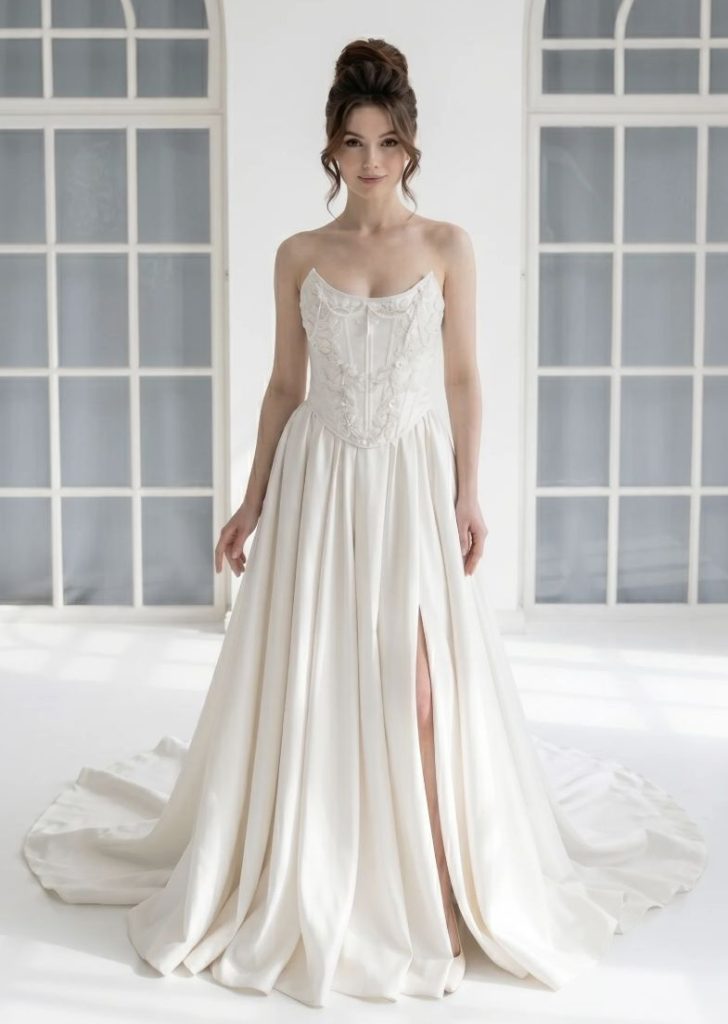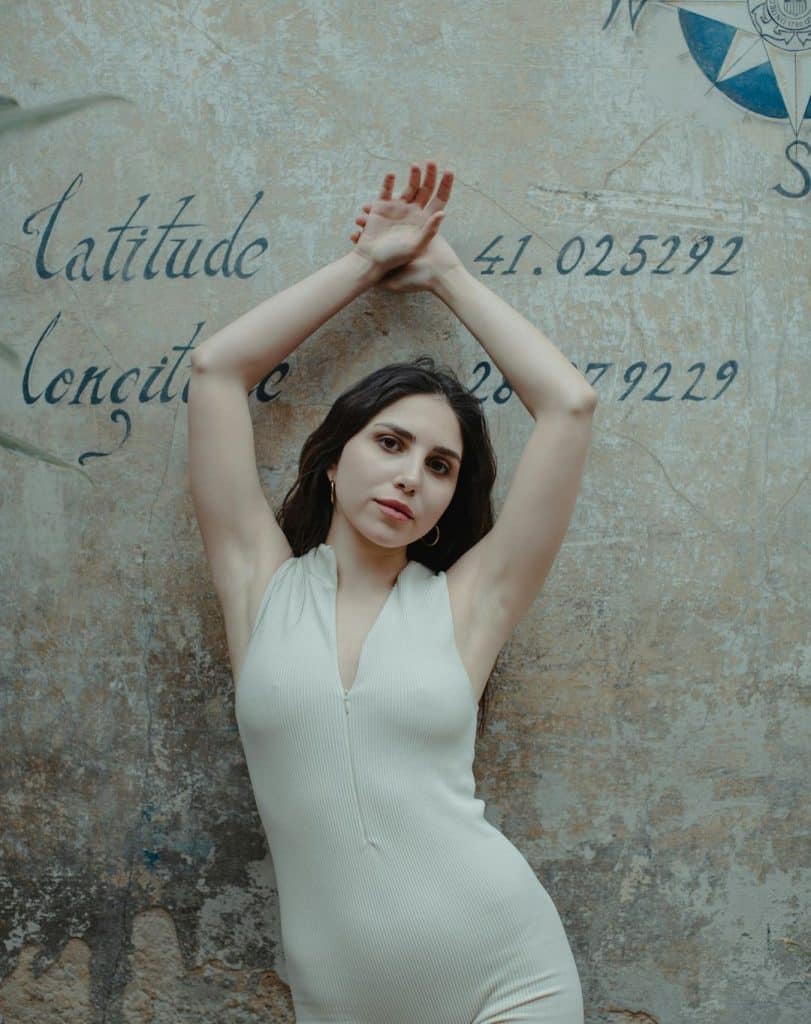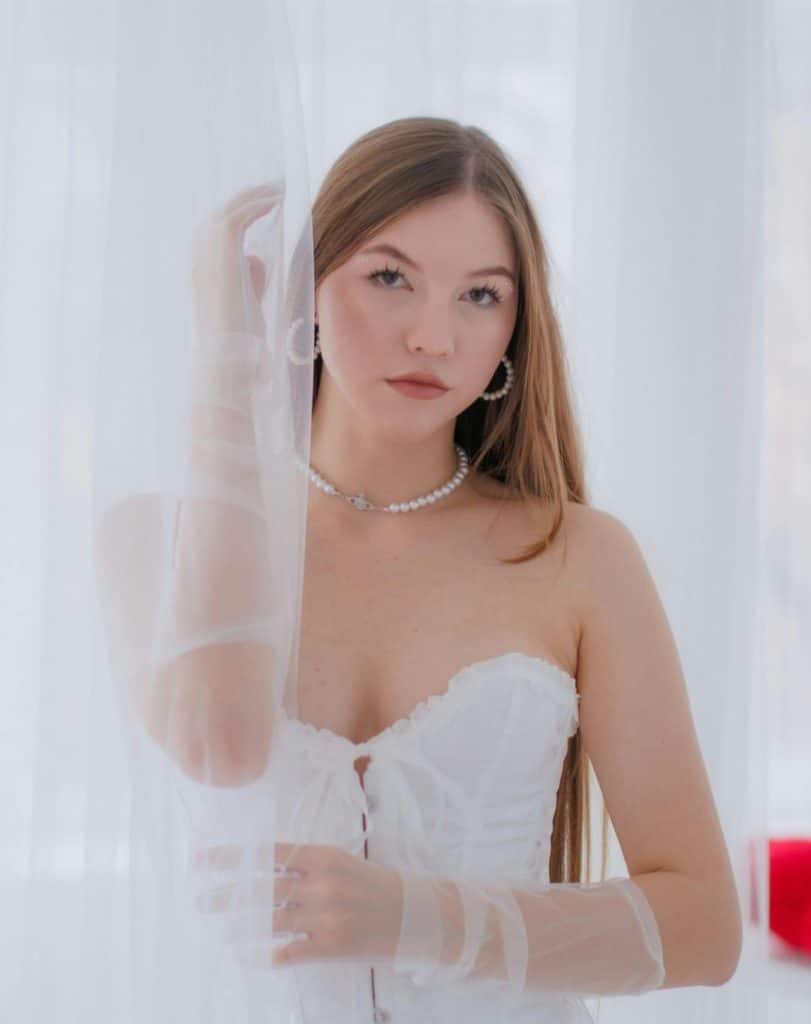

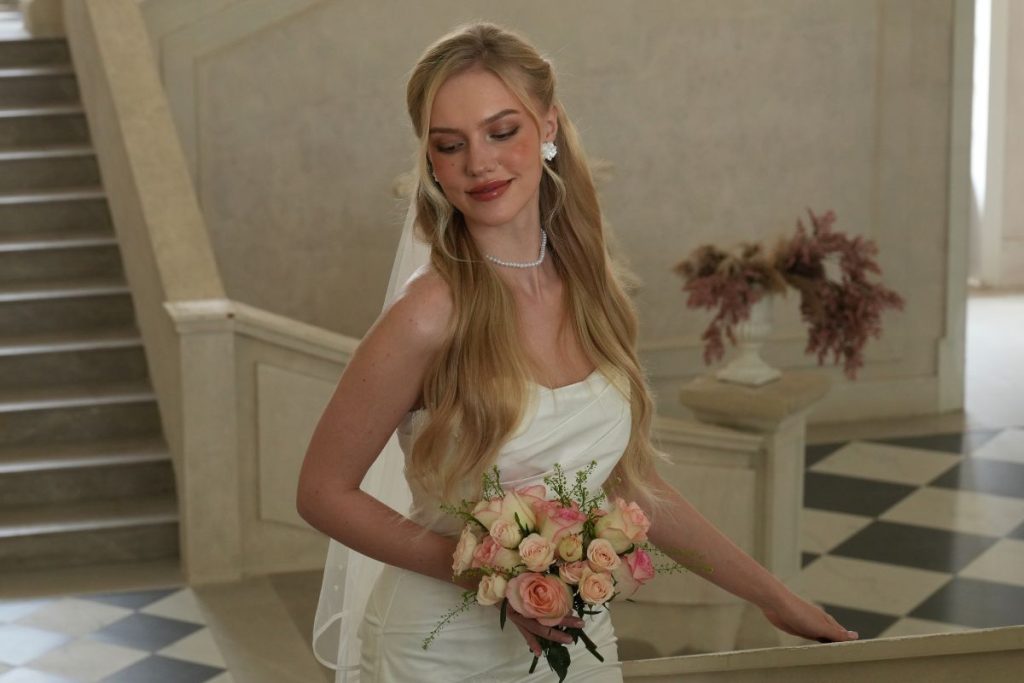
There’s a moment at every wedding—usually right before the ceremony—when everything slows down. The dress is on, the light hits just right, and suddenly, all the small details matter. Not in a perfectionist way, but in a this-feels-like-me kind of way.
That shift is exactly what’s defining wedding beauty in 2026. This year, it’s less about sculpted, immovable styles and more about hair that moves, feels soft, and holds up through real life—humidity, hugs, and a full night on the dance floor included.
Call it effortless polish: intentional, elevated, but never overworked.
The 2026 Shift: From “Perfect” to Personal
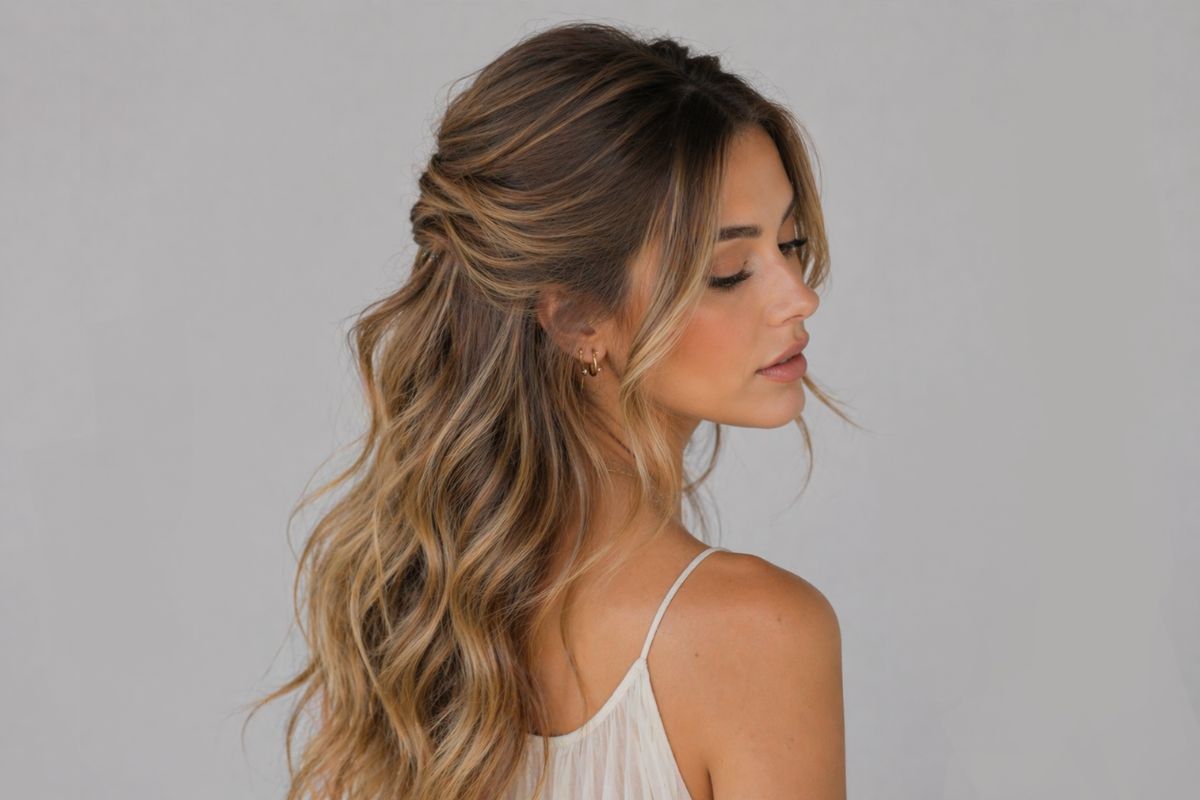
For years, bridal hair leaned toward structure—every curl placed, every strand locked in. But now, the pendulum has swung.
What’s replacing it?
- Softer shapes
- Touchable texture
- Styles that look better slightly undone
It’s the difference between hair that looks “done” and hair that looks right. And that distinction is subtle—but powerful, especially in photos.
The Trends Defining Wedding Hair Right Now
Soft Updos That Actually Move
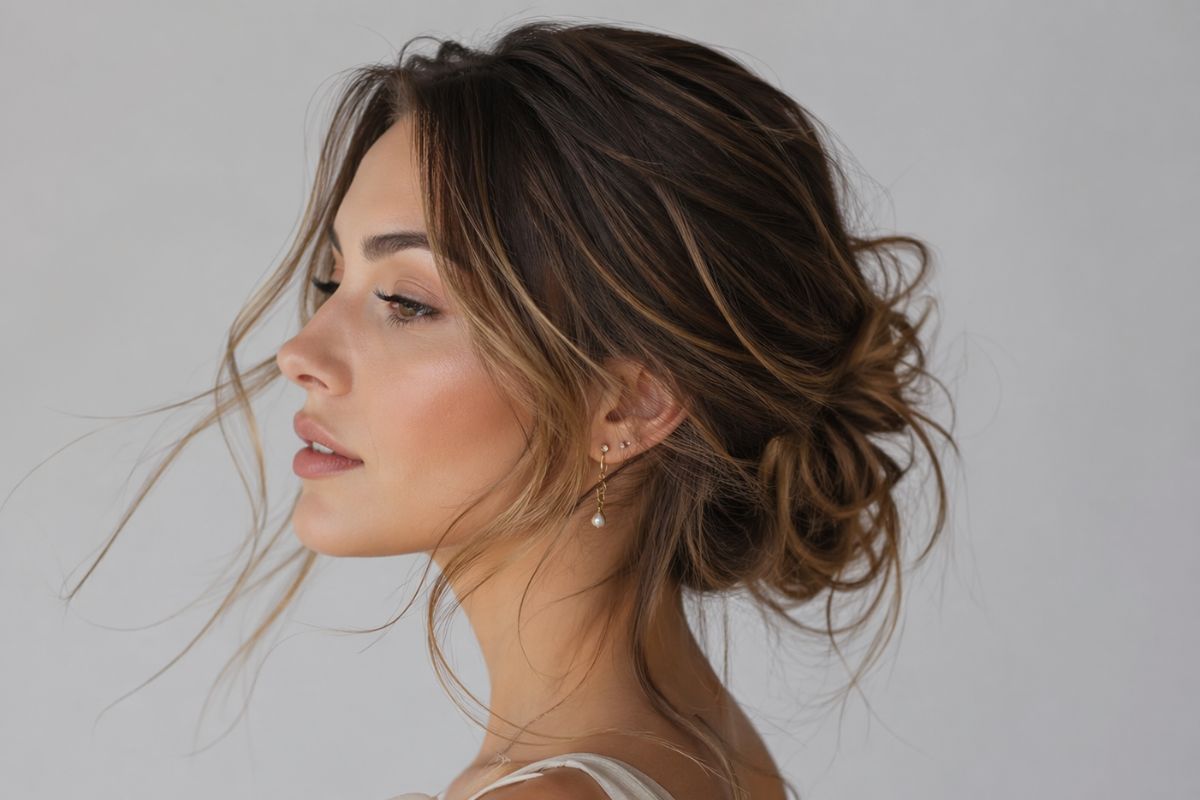
The classic bun isn’t going anywhere—but it’s evolving.
In 2026, updos are:
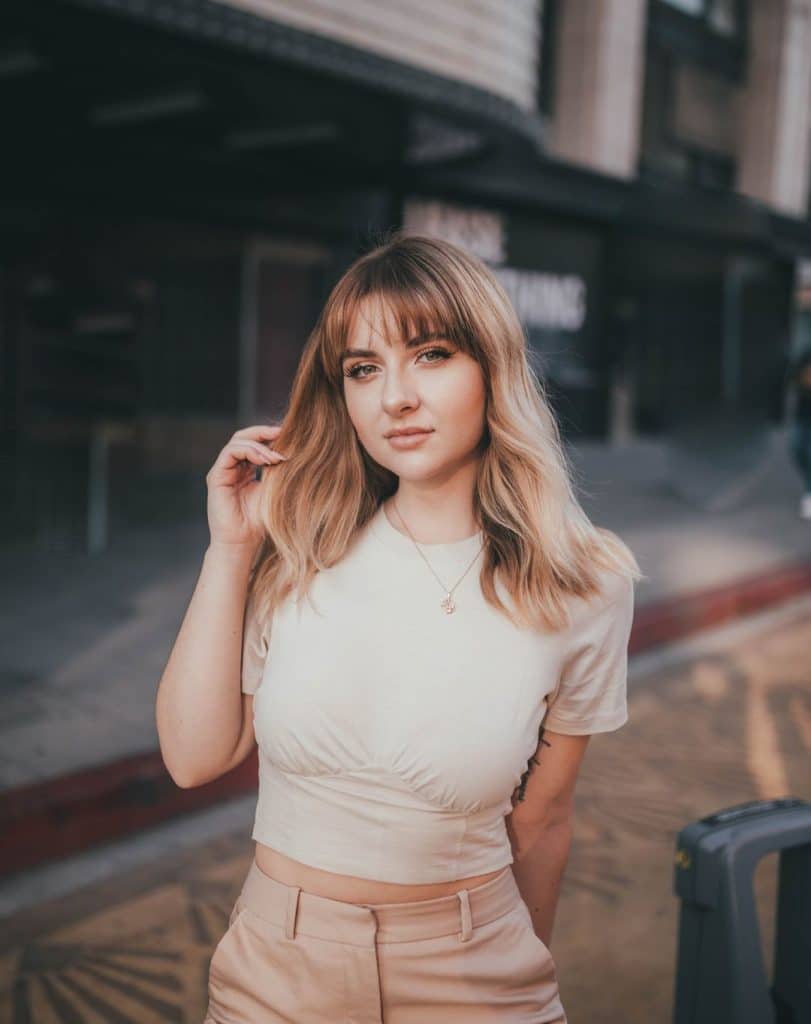
- Lower and looser
- Built with texture, not stiffness
- Finished with face-framing pieces that aren’t overly styled
The goal isn’t perfection. It’s dimension. Hair that looks like it naturally fell into place—even if it didn’t.
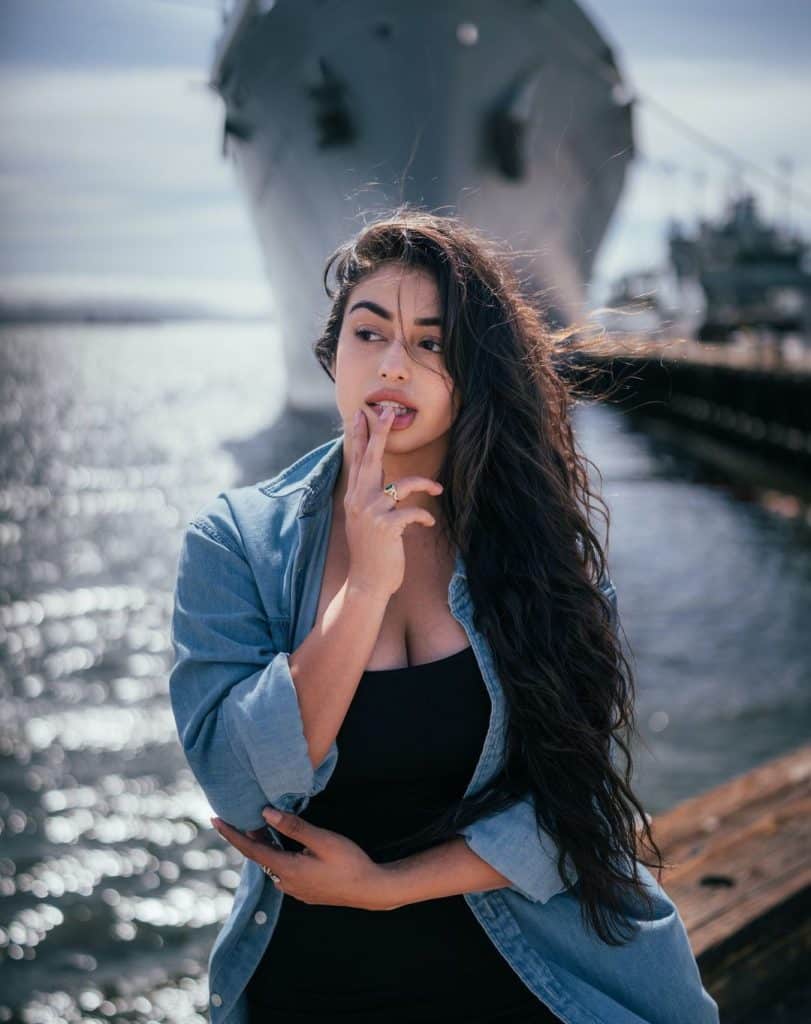
Waves, But Lighter
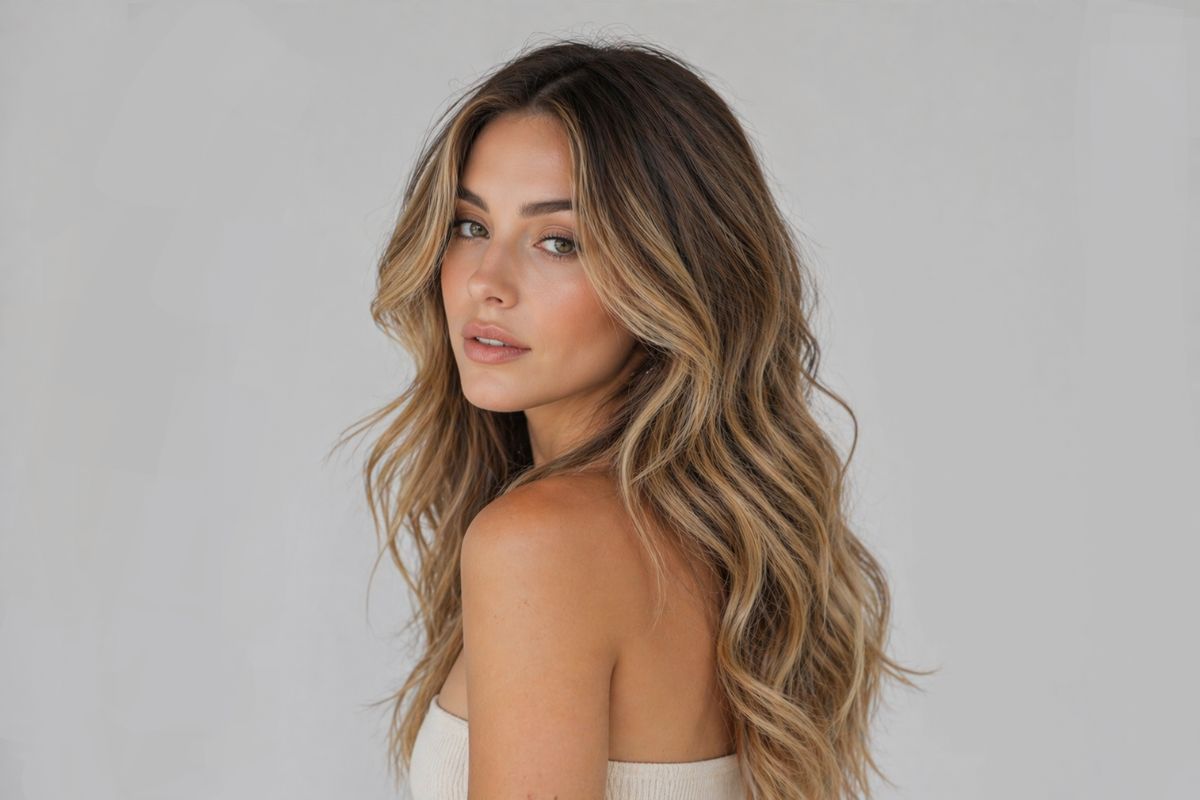
Loose waves remain a staple, but the finish has changed.
Instead of uniform curls, think:
- Brushed-out bends
- Slight irregularity
- Shine that looks natural, not glossy
This kind of wave reads beautifully on camera—and more importantly, it ages well over the course of the day. It still looks good hours later, slightly softened, slightly lived-in.
Half-Up Styles (Still) Win Every Time
There’s a reason this look hasn’t gone anywhere.
Half-up styles strike a balance:
- Volume at the crown
- Length and movement through the ends
- Structure without feeling “set”
They’re also incredibly adaptable—equally at home in a black-tie ballroom or an outdoor vineyard ceremony.
The Rise of the Modern Pony
Sleek, low, or softly textured—ponytails are having a quiet renaissance.
They feel:
- Clean, but not strict
- Polished, but still wearable
- Especially right for minimalist or fashion-forward weddings
And yes—they photograph better than you might expect.
Accessories That Feel Personal
This year, it’s less about statement pieces and more about meaning.
- Pearls woven into texture
- Delicate pins placed asymmetrically
- Subtle sparkle that catches light, not attention
Everything feels considered—but never overdone.
The Part No One Talks About: Most of These Looks Use Extensions
Here’s the insider reality: the majority of these styles rely on some level of added hair.
Not for drama—for balance.
Because what these trends require is:
- Soft fullness (not bulk)
- Even density from root to ends
- Enough structure to hold shape without stiffness
That’s difficult to achieve with natural hair alone—especially if your hair is fine, layered, or struggles to hold a style.
Extensions, when done well, don’t read as “more.” They read as better.
Choosing Extensions That Match the 2026 Aesthetic
For Brides: Invisible, Flexible, All-Day Wear
If your hair needs to last from first look to last dance, stability matters—but so does comfort.
This is where:
- Tape-ins
- Seamless or ultra-thin wefts
tend to perform best. They sit close to the scalp, move naturally, and give stylists the control needed for softer, more dimensional looks.
Some newer weft designs—like those from GOO GOO Hair—focus on being lighter and flatter, which aligns perfectly with this year’s “no bulk” direction. You get support where you need it, without that overly constructed feel.
For Bridesmaids and Guests: Low Commitment, High Impact
If you’re getting ready in a hotel room, working with limited time (and outlets), flexibility wins.
- Clip-ins: quick volume, easy to customize
- Wire (halo) extensions: minimal effort, surprisingly natural
They’re ideal for waves or half-up styles—and easy to remove before you crash at the end of the night.
For Outdoor Weddings: Plan for Movement
Beach, garden, destination—these settings are everywhere right now. And they change how hair behaves.
The key adjustments:
- Choose lighter extensions to avoid tension
- Lean into texture (it holds better than sleek styles)
- Avoid over-structuring—wind will undo it anyway
In other words: work with the environment, not against it.
The Difference Between “Good Hair” and “Wedding Hair”
It’s not about having more hair. It’s about having the right kind of hair.
What makes the biggest difference:
- Blend: tones don’t need to match perfectly—they need to transition naturally
- Cut: extensions should be shaped into your style, not sit on top of it
- Movement: the hair should respond, not resist
This is why high-quality human hair extensions continue to dominate—they behave like your own hair, just more cooperative.
Wedding Hair in 2026
The best wedding hair in 2026 doesn’t look engineered.
It doesn’t feel stiff.
And it definitely doesn’t try too hard.
It moves. It softens. It lasts.
And most importantly, it looks like you—
on a really, really good day.