

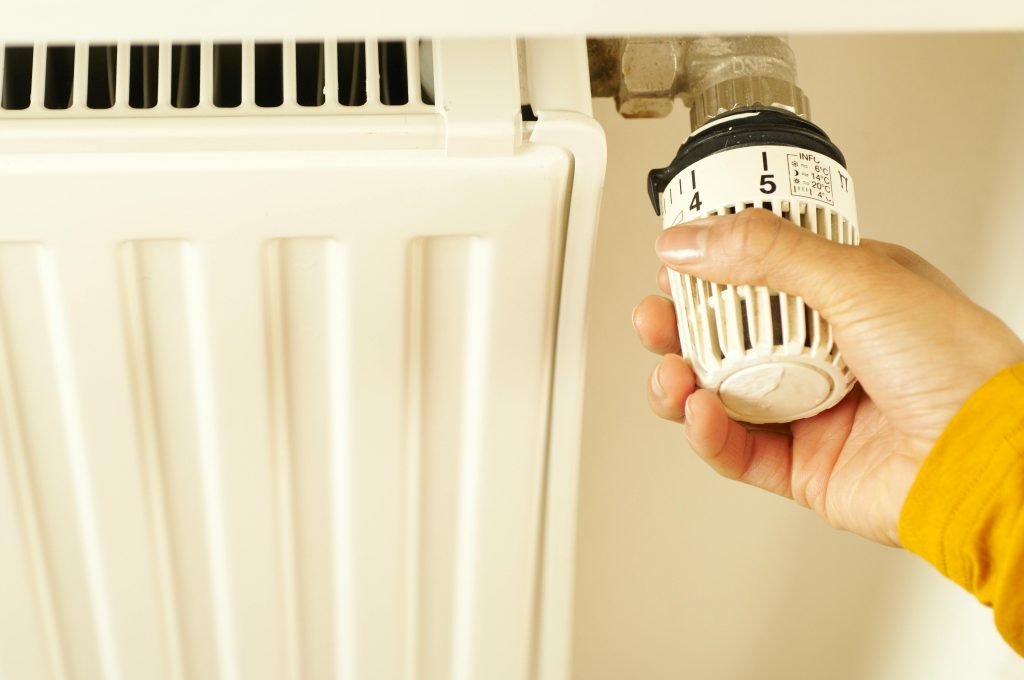
Heating systems play a critical role in keeping houses and workspaces warm and comfortable. When these systems fail, it disrupts daily routines. Knowing why heating gear stops functioning can help you save yourself from sudden discomfort. By identifying common breakdown causes, homeowners can keep their properties working at efficiency and reliability levels all season long.
Lack of Regular Maintenance
All heating units require regular maintenance to remain effective. Not performing routine checks means that small issues can escalate into big problems. If your system is working overtime, chances of dirty filters, blocked vents, and worn out parts increase. Routine servicing from any of the Las Vegas heating services helps identify potential problems early, preventing unexpected shutdowns and costly repairs.
Dirty or Clogged Filters
Filters capture dust and debris, stopping it from spreading indoors. These filters get clogged over time, limiting air flow and making the system work harder. Excessive heat from limited airflow can cause components to fail prematurely and severely impact performance. Cleaning the filters every few months preserves efficiency and increases the durability of the system.
Thermostat Issues
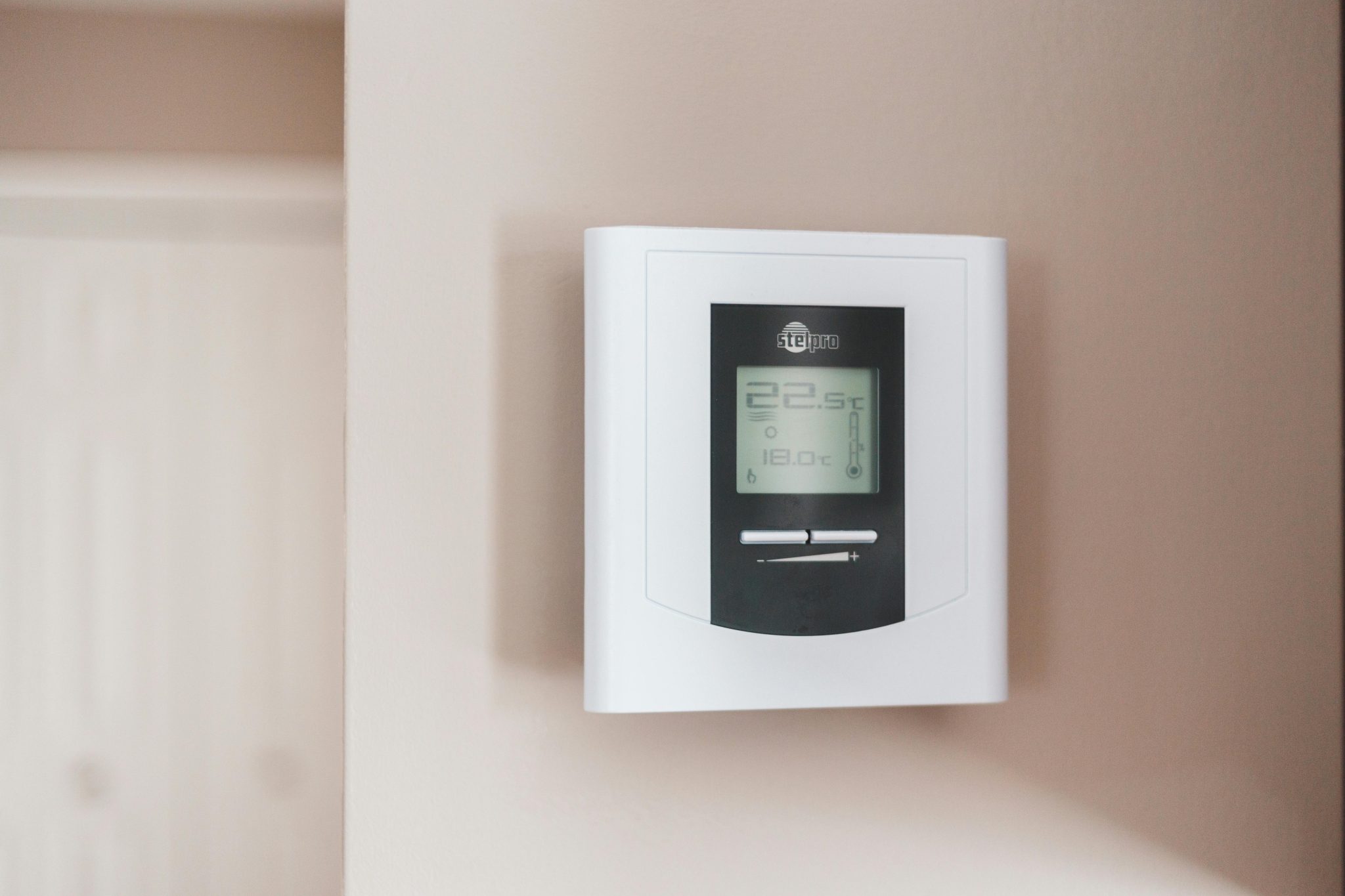
Thermostats control heating cycles by monitoring indoor temperatures. A malfunctioning thermostat can send incorrect signals, causing the equipment to short-cycle or remain inactive. Faulty wiring, dead batteries, or outdated models often lead to these misunderstandings. Verifying thermostat settings and replacing batteries as needed keeps communication between components accurate and reliable.
Mechanical Wear and Tear
With age and everyday operation, heating tools slowly deteriorate. Internal components like belts, bearings, and motors can wear out over time. Squeaks, rattles, and poor vibrations all result from badly worn components, and some components will even cause total system failures. Regular inspections will catch these physical issues early, and they will not turn into catastrophic damage that is expensive to repair.
Ignition or Pilot Control Problems
Today, heaters depend on ignition systems or pilot lights to begin fuel combustion. Ignition components can also fail, however, and if that happens, the system may not be able to generate the necessary thermal input. Ignition problems are often caused by dirt accumulation, broken sensors, or electrical defects. Tending to these issues immediately keeps you warm, but also keeps you from danger.
Blower Malfunctions
The warm air is dispersed within the living or working environment through a blower. If this part fails, hot air cannot circulate properly, allowing cold spaces even though the unit runs. Blower malfunctions are typically due to loose belts, motor problems, or electrical issues. Blower problems have a way of being typically addressed with a quick initial answer to weird sounds or a slipshod air blow.
Blocked or Leaking Ductwork
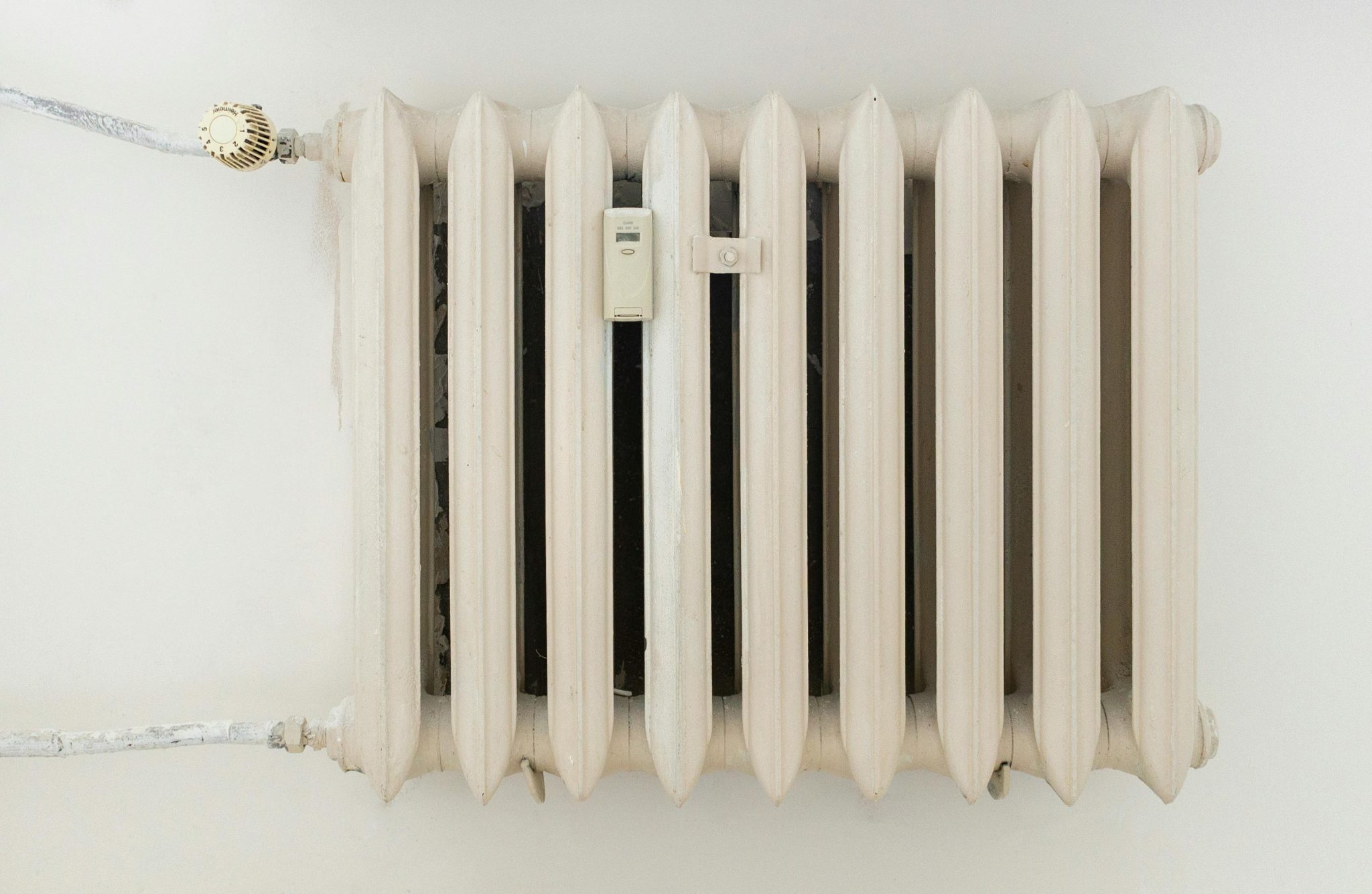
Ducts are used to transport heat from the furnace to multiple rooms. Eventually, dirt may clog these channels, or a leak may develop. Clogs and leaks make the system work overtime, thus lowering the efficiency and increasing the risk of system breakdowns. Regular checks and cleansing support air passage and even warmth circulation in the region.
Fuel Supply Issues
Heating systems that rely on gas, oil, or propane require a consistent and clean fuel supply to operate effectively. Fuel interruptions, blocked lines, or contaminated fuel can prevent the system from running properly. Low fuel levels during colder months can lead to unexpected shutdowns. Monitoring fuel deliveries, scheduling timely deliveries, and ensuring clean fuel lines help prevent outrages and maintain smooth, uninterrupted heating.
Electrical Problems
There are numerous heating units that will work thanks to electricity. Defective wiring, causing breakers to trip or fuses to blow, can stop system performance altogether. Electrical problems are another area that could be a safety issue if they are not taken care of correctly and quickly. Checking electrical connections and replacing worn parts helps ensure safe, steady heating.
Conclusion
Heating system breakdowns are often the result of preventable issues such as poor maintenance, dirty filters, and old components. By understanding these common causes, proactive steps can be taken to keep heating systems running efficiently and reliably. Proactive care not only improves comfort during colder months but also extends the lifespan of heating equipment and reduces long-term repair costs.