Coffee without creamer is like a blank canvas waiting for color. While some people prefer their brew straight and unadorned, millions of coffee drinkers reach for a creamer every single morning to transform that bitter bite into something smoother and more satisfying. The creamer aisle has expanded dramatically over the years, offering everything from traditional real dairy coffee creamer to innovative plant-based alternatives that cater to virtually every preference and dietary consideration.
Understanding what separates one type of creamer from another can help anyone find their ideal match. Here’s a breakdown of five popular creamer categories worth exploring.
Traditional Dairy Creamers
The original coffee companion, traditional dairy creamer has been softening the edges of strong coffee for generations. These creamers typically contain milk, cream, or a combination of both, delivering that familiar richness many coffee drinkers grew up enjoying.
Dairy creamers come in various fat percentages:
- Half-and-half blends equal parts whole milk and light cream, creating a balanced option that adds body without overwhelming heaviness.
- Heavy cream delivers maximum richness for those who want their coffee to feel almost dessert-like.
- Whole milk offers a lighter touch while still providing that characteristic dairy smoothness.
What Makes Dairy Creamers Stand Out
The texture dairy brings to coffee is difficult to replicate. When cream hits hot coffee, it creates a beautiful swirl and integrates smoothly throughout the cup. Many people describe the mouthfeel as velvety or silky. Dairy also tends to mellow coffee’s natural acidity, which some find makes their morning cup easier to drink.
Flavored dairy creamers have become incredibly popular as well. These products start with a dairy base and incorporate flavors like vanilla, hazelnut, caramel, and seasonal specialties like pumpkin spice or peppermint mocha.
Plant-Based Milk Alternatives
The rise of plant-based eating has ushered in an entirely new category of coffee creamers made from nuts, grains, and legumes. Oat milk, almond milk, coconut milk, and soy milk have all found their way into creamer formulations designed specifically for coffee.
Oat-based creamers have gained particular traction among coffee enthusiasts. Baristas often favor oat milk for its ability to froth well and complement espresso without curdling or separating. The slightly sweet, neutral flavor profile works harmoniously with most coffee roasts.
Almond-based creamers appeal to those who enjoy a subtle nuttiness in their cup. Coconut creamers bring tropical undertones and tend to be naturally thicker, which some people prefer. Soy creamers have been around longest and offer a protein content closer to dairy than most other plant options.
Choosing Between Plant-Based Options
Each plant-based creamer behaves differently in hot liquid. Some separate more readily than others, which can affect the visual appeal and texture of the final cup. Many manufacturers have developed formulations specifically designed to perform well in coffee, so looking for products labeled as “barista blends” or “coffee creamers” rather than general milk alternatives often yields better results.
Powdered Creamers
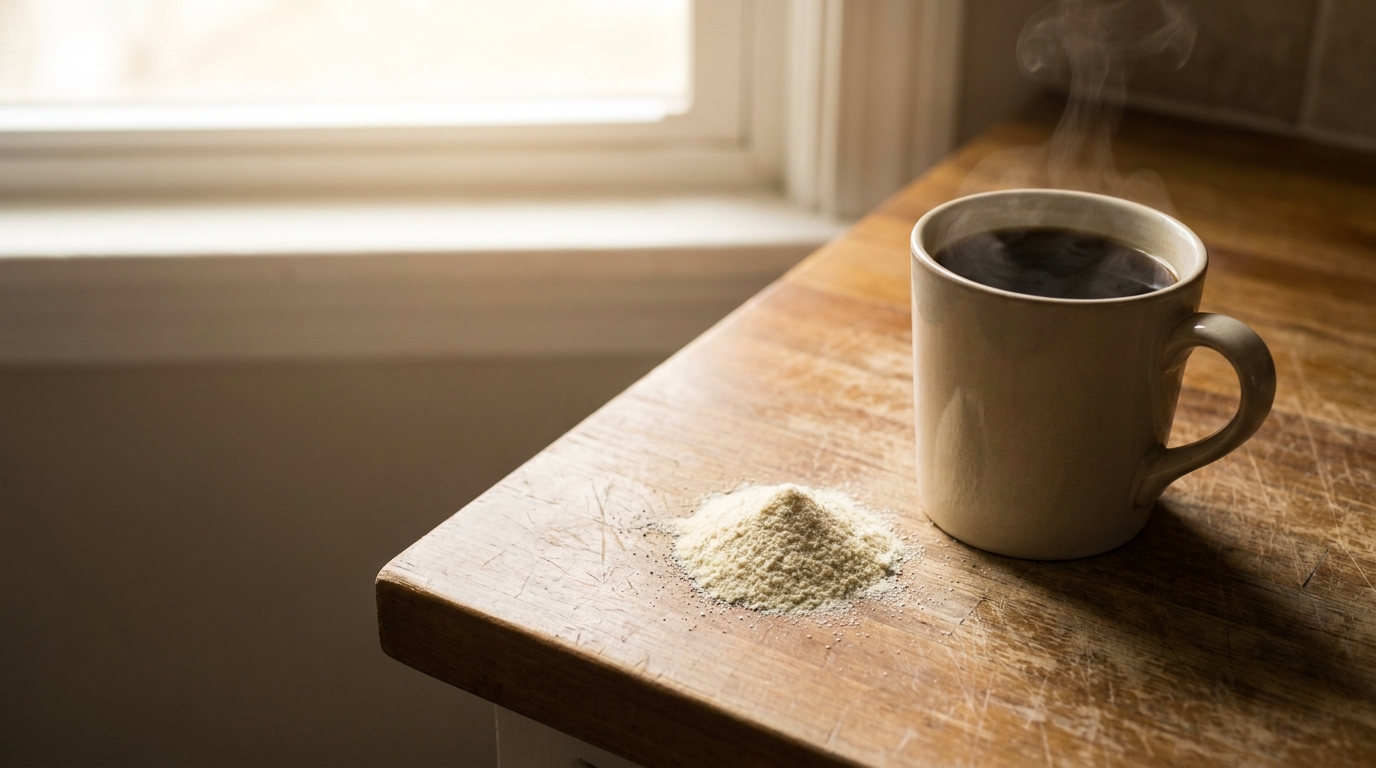
Shelf-stable and convenient, powdered creamers occupy a unique niche in the creamer world. These products don’t require refrigeration until opened (and some not even then), making them popular choices for offices, travel, and situations where refrigerator access is limited.
Powdered creamers dissolve quickly in hot liquid and can be portioned precisely. A little goes a long way with most formulations, and the concentrated nature means a single container lasts longer than liquid alternatives of similar size.
The flavor range in powdered creamers has expanded significantly. Beyond basic original and French vanilla, shoppers can find powdered versions of nearly any popular creamer flavor.
Flavored Liquid Creamers
Flavored liquid creamers represent one of the fastest-growing segments of the creamer market. These products transform ordinary coffee into something resembling a coffeehouse specialty drink without the price tag or trip to a café.
The flavor possibilities seem almost endless. Classic options like French vanilla and hazelnut remain perennial favorites, but manufacturers continually introduce new varieties. Seasonal limited editions create excitement throughout the year, with autumn bringing warm spiced options and winter ushering in peppermint and gingerbread varieties.
How Flavored Creamers Change the Coffee Experience
Adding a flavored creamer does more than introduce sweetness. These products contribute aroma, which significantly impacts how coffee tastes. That first whiff of caramel or toasted marshmallow primes the palate before the first sip even happens.
For people who find plain black coffee too intense but don’t want to add multiple ingredients, flavored creamers offer an all-in-one solution. The sweetener and flavor come pre-combined, eliminating the need for separate sugar additions in most cases.
Sugar-Free and Reduced-Calorie Options
The demand for lower-sugar options has prompted manufacturers to develop creamers that deliver flavor and creaminess while minimizing added sugars. These products use alternative sweeteners to achieve sweetness without the same caloric impact as traditional sugar.
Sugar-free creamers come in both dairy and non-dairy varieties and span nearly the full range of available flavors. Someone who loves pumpkin spice but wants to limit sugar intake can usually find a sugar-free version during the fall season.
Taste Considerations with Sugar-Free Varieties
Alternative sweeteners produce a different taste profile than sugar. Some people notice this difference immediately, while others find it barely perceptible. Trying several different sugar-free options often helps identify which sweetener formulation works best for individual preferences.
Finding the Right Creamer
The abundance of creamer choices means experimentation is part of the fun. What works beautifully in a light roast might taste entirely different in a dark, bold brew. Temperature matters too; some creamers perform better in iced coffee applications than others.
Rotating through different types keeps the morning coffee routine interesting. A dairy creamer might be perfect for weekday mornings when comfort and familiarity matter most, while a fancy flavored option could make weekend coffee feel more special.
The best creamer is ultimately the one that makes each cup of coffee enjoyable. With so many varieties available across all five categories, everyone can find something that transforms their daily brew into exactly what they want it to be.