Local businesses are finding new ways to grab attention in crowded markets. Traditional billboards have been around for decades, but they often blend into the background. Custom inflatables are changing the game by offering something that static signs cannot match.
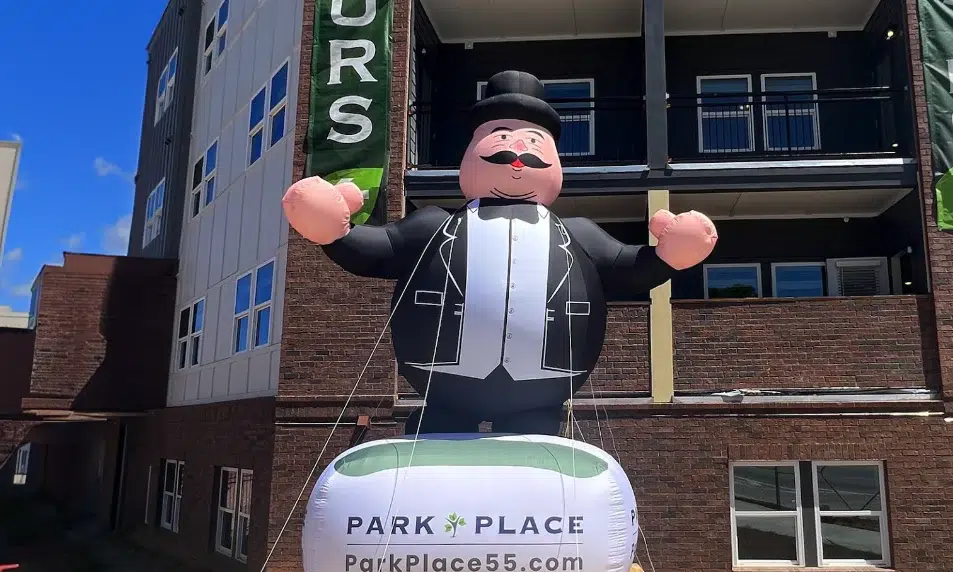
Custom inflatables provide three-dimensional visibility that captures more attention than flat billboards, and they can be moved to different locations, reused at multiple events, and cost less over time. Many businesses also choose custom inflatables from eco-friendly materials, which helps them appeal to customers who prioritize sustainability. These advertising tools can take the form of products, mascots, or logos, making them instantly recognizable in busy local environments.
Businesses that use inflatables report stronger engagement at events and storefronts. The interactive nature of these displays creates memorable experiences that people want to photograph and share. This guide explains why local advertisers are choosing inflatables over traditional billboards and how this shift is changing outdoor marketing.
Key Takeaways
- Custom inflatables offer better visibility and flexibility compared to static billboards for local advertising
- Businesses save money with reusable inflatables that work at multiple events and locations
- Interactive three-dimensional designs create memorable brand experiences that drive customer engagement
Key Reasons Custom Inflatables Outperform Traditional Billboards
Local businesses are finding that three-dimensional advertising structures deliver better results than flat roadside signs. These air-filled displays create stronger visual impact, generate direct customer interaction, and offer more financial flexibility for smaller advertising budgets.
Unmatched Brand Visibility and Recognition
Custom inflatables stand out in ways that traditional billboards cannot match. Their three-dimensional design makes them visible from multiple angles and greater distances. A 20-foot tall inflatable product replica towers above street-level traffic and catches attention from blocks away.
Custom inflatable advertising works better than billboards because of placement flexibility. Businesses can position these displays directly at their storefront, in parking lots, or at events where customers gather. Billboards stay fixed in one location along highways or major roads.
The colorful, oversized nature of inflatables creates instant brand recognition. A giant mascot or product shape becomes a local landmark that customers remember and talk about. Studies show that properly positioned inflatables can increase foot traffic by 20-40% during promotional periods.
Weather-resistant materials allow outdoor advertising to run continuously without the recurring costs of billboard rentals.
Enhanced Customer Engagement and Interactive Experiences
Custom inflatables provide tangible, interactive marketing solutions that digital platforms and static billboards cannot replicate. Customers can walk around them, take photos with them, and share those images on social media.
This physical presence creates memorable experiences. A child posing next to a 15-foot inflatable character generates family memories tied directly to a brand. That emotional connection drives customer loyalty in ways a roadside billboard never could.
Interactive inflatables work particularly well at grand openings, festivals, and community events. They transform passive viewers into active participants. Businesses report that customers specifically mention the inflatable when explaining why they visited a store or attended an event.
The movement of inflatables in wind adds dynamic visual interest that static signs lack. This motion naturally draws the human eye and maintains attention longer than flat advertising surfaces.
Cost-Effectiveness and Flexibility for Local Marketing
Custom inflatables offer a one-time investment with long-lasting impact compared to billboard rentals. A quality inflatable costs between $2,000 and $5,000 but can be reused for multiple events over 2+ years.
Billboard rental fees run $1,500 to $4,000 per month in most markets. Those recurring costs add up quickly without providing any owned asset. After six months, a business has spent more on billboard rental than buying a reusable inflatable.
Cost Comparison:
|
Advertising Type |
Initial Cost |
Monthly Cost |
Ownership |
|---|---|---|---|
|
Custom Inflatable |
$2,000-$5,000 |
$0 |
Yes |
|
Billboard Rental |
$0 |
$1,500-$4,000 |
No |
Local businesses gain marketing flexibility with portable displays. They can move inflatables to different locations, store them during off-seasons, and deploy them for specific promotions. Billboards lock businesses into fixed locations and long-term contracts.
Setup takes 1-2 hours without special equipment or professional installation. Businesses control their advertising schedule completely, running campaigns exactly when needed without waiting for availability or fighting for premium billboard locations.
How Custom Inflatables Drive Results at Events and Public Spaces

Custom inflatables create instant visual impact in crowded event spaces, drawing crowds through size and bold design. They work across different event types, from trade shows to street festivals, offering brands practical ways to stand out and connect with attendees.
Driving Foot Traffic at Trade Shows and Festivals
Large custom inflatables grab attention in crowded spaces where dozens of brands compete for visibility. At trade shows, a 20-foot inflatable display towers above standard booths and pulls visitors from across the exhibition hall. Festivals present similar challenges, with vendors packed into tight spaces fighting for attention.
The physical size advantage matters. When attendees scan a busy event space, inflatable advertising rises above the visual noise. A giant inflatable mascot or arch acts as a landmark, making it easier for people to locate a specific booth or brand area.
Trade show data shows that booths with distinctive vertical elements receive more foot traffic than those relying on flat signage. Inflatables serve this purpose while remaining portable and quick to set up. They transform a standard 10×10 booth into something that looks larger and more established.
At outdoor festivals, branded inflatable arches guide crowds into specific areas while marking entry and exit points. These structures combine wayfinding with marketing, making them functional beyond simple advertising.
Versatile Applications: Inflatable Mascots, Tents, and Arches
Event marketing teams use three main types of inflatable structures, each serving different purposes:
Inflatable mascots bring brand characters to life at ground level or on rooftops. A 15-foot mascot creates photo opportunities that attendees share on social media. These mascots work well at sports events, product launches, and community gatherings.
Inflatable tents provide shelter while displaying brand messages. Unlike standard canopy tents, these structures feature custom shapes and full-surface printing. They work for product demonstrations, registration areas, or VIP spaces at outdoor events.
Inflatable arches mark race finish lines, event entrances, or promotional zones. They frame spaces and create natural gathering points. Setup takes minutes compared to traditional metal arch structures.
Each type adapts to different venue requirements and weather conditions. Brands choose based on the specific event format and audience interaction goals.
Memorable Product Replicas and Interactive Displays
Product replicas scaled up to giant sizes turn ordinary items into conversation starters. A beverage company might display a 12-foot inflatable bottle, making their product impossible to ignore. These replicas help with brand recognition and give attendees a clear understanding of what the company offers.
Interactive inflatables take customer engagement further by inviting participation. Inflatable obstacle courses branded with company logos keep people at a booth longer. Bounce houses at family events create positive associations between the brand and fun experiences.
Interactive experiences like these build emotional connections that standard inflatable signage cannot match. When someone spends five minutes interacting with a branded inflatable game, they remember that brand longer than if they simply walked past a display.
Inflatable displays also work for educational purposes. A health organization might use an inflatable model of a human heart to teach about cardiovascular wellness. The scale and three-dimensional aspect makes complex topics more accessible to public audiences.
Conclusion
Custom inflatables are changing how local businesses approach advertising. They offer better visibility than traditional billboards while costing less over time.
Custom inflatables provide interactive experiences that static billboards cannot match. Businesses can reuse them at multiple events and locations, making them a smart investment.
The three-dimensional designs grab attention in ways that flat billboards struggle to achieve. Local businesses benefit from the flexibility to move these displays wherever customers gather.
Giant inflatables often cost less than billboards and can be used repeatedly. This makes them practical for small businesses with limited marketing budgets.