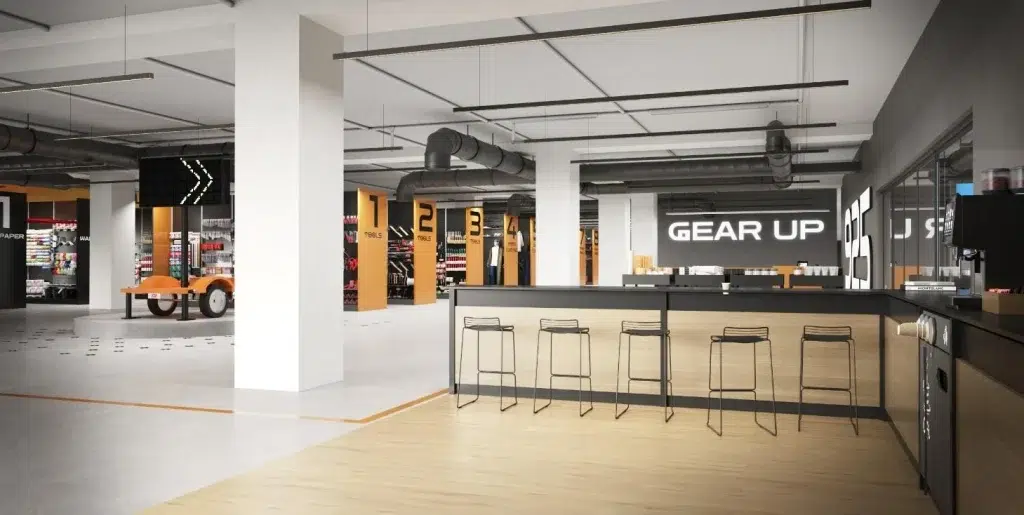
Real estate has changed, and buyer expectations have changed with it. People scroll fast, compare everything, and make decisions long before they book a visit. If a listing doesn’t grab attention in the first few seconds, it’s usually skipped. That’s why virtual staging and 3D rendering are no longer optional. They’ve become a core part of real estate visualization today.
Listings that use strong visuals simply perform better. They get more views, more saves, and more serious inquiries. Not because they’re flashy, but because they help people understand the space right away.
Why Empty or Raw Spaces Don’t Sell Well
Most buyers struggle to imagine potential. An empty apartment looks smaller than it is. An unfinished space feels cold and confusing. Even well-designed layouts can fall flat when shown without context.
Virtual staging solves this problem fast. It adds furniture, lighting, and atmosphere without changing the actual space. People immediately understand how rooms can be used. They can picture daily life there instead of trying to guess it.
3D rendering takes this even further. When a property is still under construction or not renovated yet, rendering shows the future clearly. Instead of promises, buyers see results.

How Virtual Staging and 3D Rendering Work Together
Virtual staging and 3D rendering are different tools, but they work best as a pair. Virtual staging is ideal for existing spaces that need life and scale. 3D rendering is perfect for new developments, off-plan sales, and major renovations.
Together, they create a complete visual story. The exterior shows the building’s character. The interior shows comfort and function. Buyers don’t need explanations. They just get it. This is why real estate visualization has become such a strong sales tool.
What Buyers Actually Respond To
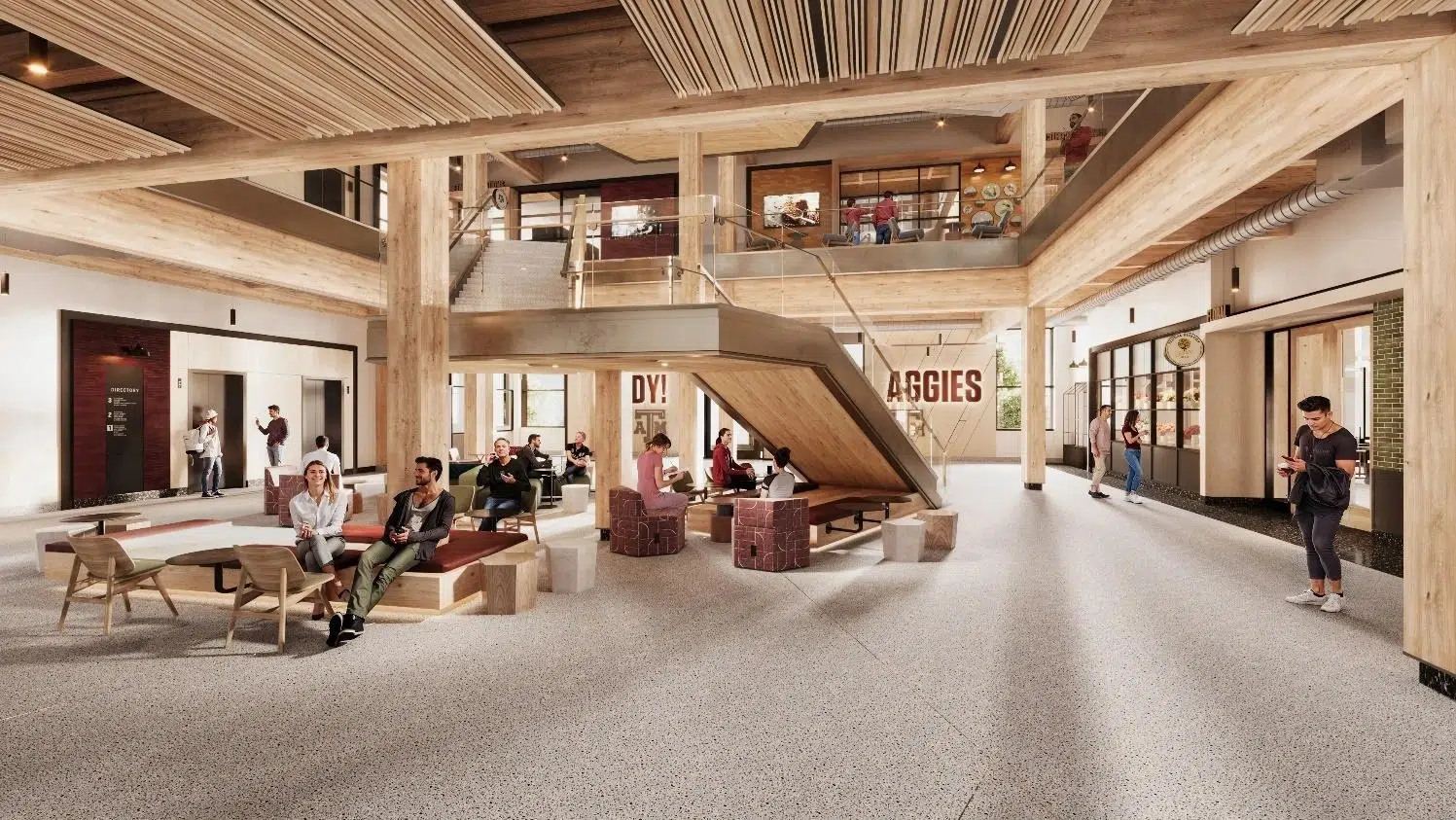
Buyers don’t respond to technical perfection. They respond to feeling. A good visual makes them pause and think, “I could live here.” That emotional reaction is what turns interest into action.
Strong visuals usually focus on:
- Realistic lighting that feels natural
- Furniture layouts that make sense
- Clean, believable materials
- Neutral style that appeals to many people
- A clear sense of space and scale
Faster Sales and Better Marketing Results
Virtual staging and 3D rendering attract more qualified buyers and reduce time on the market. Agents spend less time explaining and more time closing.
These visuals also work across all marketing channels. They look good on listing platforms, social media, brochures, and project websites. One strong set of visuals can be reused everywhere, which makes marketing more consistent.
For developers, this is especially important. Selling before construction is finished depends almost entirely on trust. Clear, honest visuals help build that trust early.

Avoiding Misleading or Unrealistic Visuals
Buyers don’t want to feel tricked. That’s why accuracy matters. Virtual staging and 3D rendering should enhance reality, not distort it.
Visualization studios always aim to show realistic proportions and honest layouts. Furniture is scaled correctly. Views match the real surroundings. Lighting reflects actual conditions as much as possible.
Why Virtual Staging Is Now Expected
What used to feel innovative now feels standard. Buyers expect to see furnished interiors. Developers expect clean, professional renders. Agents expect visuals that help them compete.
Virtual staging and 3D rendering aren’t trends anymore. They’re part of how modern real estate works. If a listing doesn’t use them, it often looks outdated.
Good real estate visualization is about clarity and emotion. When those two come together, listings don’t just look better. They perform better.