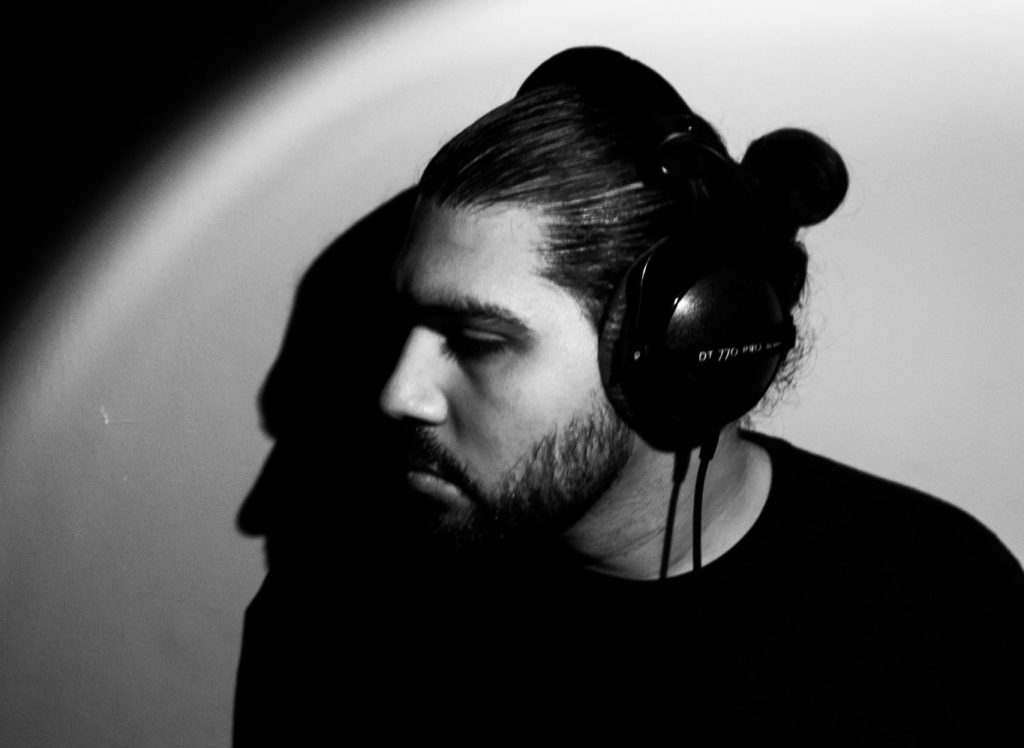
The music industry is in a constant state of evolution, and engineers sit at the center of that change—balancing creativity, technology, and adaptability. For Omar González, navigating this shifting landscape is second nature. With a background that spans broadcast engineering, commercial music production, and artist development, González approaches modern music production with both technical precision and creative instinct.
“I keep my production skills sharp by studying what’s trending and reverse-engineering why it works,” González explains. “Whether it’s a viral hip-hop beat or a moody indie track, I like to break it down and understand what’s connecting with people—from sound design to arrangement to the emotion it carries.”
Staying Sharp in a Changing Landscape
González’s mindset was shaped early in his career at Channel 53 of the Universidad Autónoma de Nuevo León, where he worked as a broadcast audio engineer. There, he oversaw sound for live and recorded productions, implemented advanced multi-room audio systems, and engineered national live sports broadcasts and televised performances featuring established artists such as Yuri, Anahí, and CNCO. The experience sharpened his technical discipline and taught him how critical reliability and clarity are in high-pressure environments.
That technical foundation now informs his creative work. “I take ideas from what’s happening culturally and filter them through my own style,” he says. Influenced by hip-hop, R&B, and indie/alternative rock, González constantly asks himself how to reinterpret what’s popular without losing authenticity. The result is a sound that evolves naturally rather than chasing trends.
The Impact of AI and New Tools
One of the most significant shifts González sees in music production today is the rise of AI-driven tools. “The new stem separation feature in Logic is a game changer—it’s taking this whole AI wave to another level,” he says. For a producer with deep engineering experience, these tools unlock new possibilities for remixing, sampling, and creative problem-solving.
Still, he’s quick to draw a line. “It’s not about replacing the creative process—it’s about enhancing it,” González notes. “AI can help you move faster, but it still needs human taste and emotional intent to mean anything.”
Viewing AI as a Creative Partner
Rather than treating AI as a threat, González views it as a collaborator. “AI can generate ideas, speed up workflows, or analyze references—but it still needs a human to give it soul,” he says. For him, the producer’s role as curator, storyteller, and emotional translator remains irreplaceable.
That philosophy has guided his work across genres and markets. González has collaborated closely with multi-GRANDMY® and Latin GRAMMY® Award–winning producer Pipe Bernal, serving as co-producer and recording engineer on releases for emerging Latin artists. His co-production on “El Bote” by Denis y Alejandro helped establish the duo’s presence in the Latin pop space, while his work on “BNBB” by Ale Zabala contributed directly to her discovery and eventual signing as a songwriter with Warner Music.
Navigating the Streaming Economy
Despite his success, González remains realistic about the economics of modern music. “Unless you’re getting points on the master or working on a major release, streaming alone doesn’t pay much for producers,” he says. His solution is diversification—sync licensing, commercial music, beat sales, and direct collaborations with artists and brands.
That strategy has paid off. González contributed extensively to “Fiesta” by Juandi, one of Spotify’s most-streamed independent Latin tracks. While the final mastering was handled elsewhere, González was responsible for nearly all creative and technical elements leading up to it, playing a key role in the song’s reach and longevity. His production work on “2 Tragos” by Axell Sun similarly helped expand the artist’s digital audience.
Evolving the Creative Process
Early in his career, González focused heavily on experimentation. His process evolved into a more intentional one. “I used to go into sessions with a clearer emotional goal,” he explains. “I organized better, set limits, and knew when to step away and listen with fresh ears.” That balance between structure and spontaneity allows creativity to thrive without chaos.
Collaboration and Growth
Collaboration hasn’t always been effortless. “Sometimes my workflow doesn’t naturally align with an artist’s, and that can create friction,” González admits. Over time, he’s learned to lean into that discomfort—listening more, adapting faster, and asking better questions. “If both sides stay open, that tension can lead to something really special.”
Influences and Inspiration
González draws inspiration from producers who prioritize emotion over excess. Rick Rubin’s focus on feeling, Finneas’s minimalism, Pharrell’s rhythm-driven fearlessness, and Travis Barker’s genre-blending approach all resonate with his own philosophy: authenticity first, technique second.
Personal Projects and Finding One’s Sound
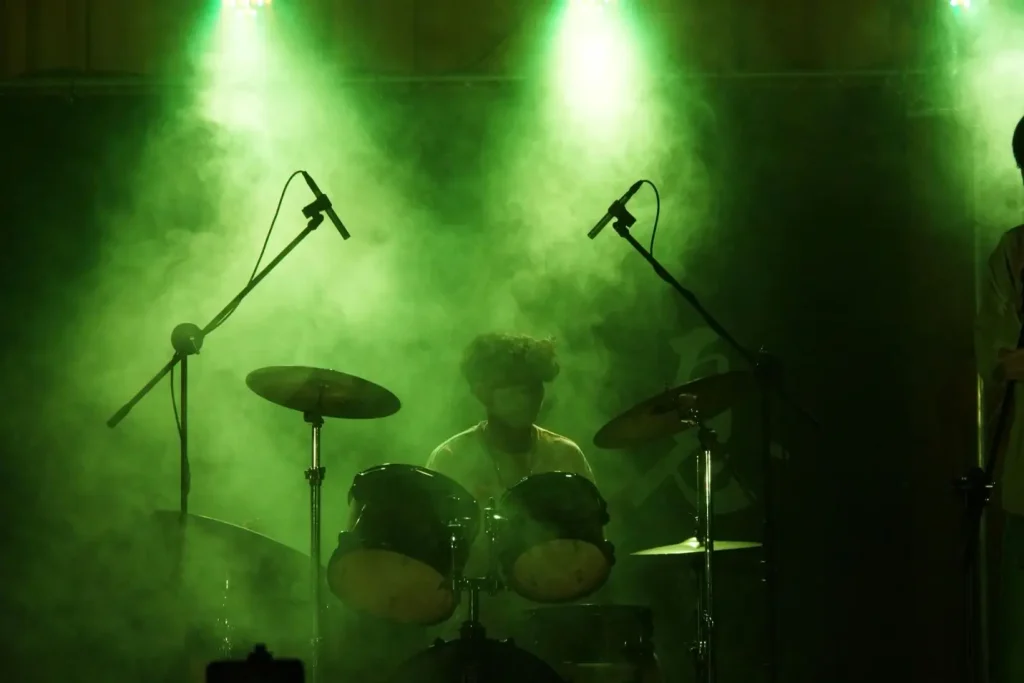
Beyond client work, González protects time for personal projects. As a member of the band Puerto Ricas, he has served as both drummer and audio producer, contributing to original releases such as “Deseos,” “Las Palmeras,” “Despertar en Miel,” “Dos Días,” and “Lluvia en el Desierto.” These projects allow him to experiment freely and stay creatively grounded.
His advice to emerging producers reflects that journey: “Don’t rush finding your sound. Make a lot of music. Try different genres. Copy your favorite producers at first—but do it to understand, not to imitate. Over time, what feels most natural will stick.”
In an industry shaped by rapid technological change, Omar González represents a new generation of artists—technically fluent, creatively grounded, and strategically aware. The future of music production, as he sees it, belongs to those who blend innovation with intention—and never stop evolving.