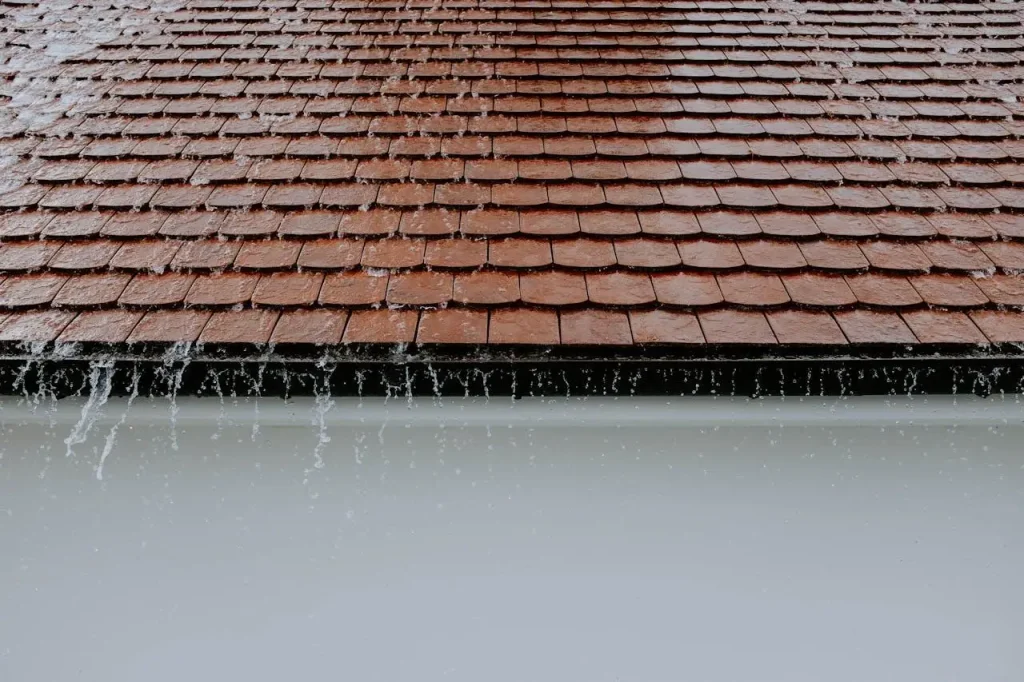
Seasonal shifts affect more than wardrobes and weekend plans. They influence how homes function and age over time. Roofs face heavy snow, basements deal with spring moisture, and summer heat strains cooling systems. These changes quietly shape the condition of a house.
Across the country, homeowners now pay closer attention to preventative maintenance. Rising repair costs and unpredictable weather patterns have encouraged more careful home care. Communities such as Saint Paul, Minnesota, regularly experience dramatic seasonal changes. Those climate shifts make year-round home preparation especially important.
Modern homeowners also rely heavily on online advice and quick fixes. Yet many home problems develop slowly over several seasons. A small maintenance task ignored today can easily become an expensive repair later.
Seasonal home care therefore becomes less about perfection and more about consistency. A few thoughtful habits often protect both comfort and property value.
In this blog, we will share practical seasonal home care strategies that help homeowners protect their property, prevent costly damage, and maintain a comfortable living space throughout the year.
Protecting the Home From Hidden Seasonal Threats
Seasonal changes affect more than visible parts of a home. Hidden areas often face the greatest risks.
Basements, crawl spaces, and attic corners create comfortable environments for moisture and insects. These areas remain out of sight during daily routines. Problems may develop quietly over several months.
Homeowners increasingly recognize the importance of preventative services in these situations. Professional inspections help identify issues before they expand into major repairs.
For example, pest activity frequently increases during seasonal transitions. Insects and rodents often seek warmth, shelter, or food sources inside residential structures. This situation makes reliable professional support especially valuable. So if you’re a homeowner looking for a reliable service that offers pest control St Paul is home to a lot of options but remember that you should only hire experts who understand local climate conditions and provide long-term prevention strategies rather than temporary fixes.
Preventative pest management protects more than comfort. It helps maintain insulation, structural materials, and indoor sanitation.
Addressing these hidden threats early reduces long-term maintenance challenges.
The Role of Preventative Maintenance in Modern Homeownership
Preventative maintenance has become a growing focus in modern homeownership culture. Recent housing trends highlight this shift clearly.
Rising construction costs make home repairs increasingly expensive. Many homeowners therefore prioritize maintenance that prevents damage before it begins.
Routine inspections form the foundation of this approach. Checking roofs, plumbing connections, and exterior seals helps identify small issues early. Minor repairs usually cost far less than structural restoration.
Technology has also changed how homeowners approach maintenance. Smart home devices monitor temperature changes, humidity levels, and water leaks. These tools provide early warnings that help prevent costly damage.
However, technology alone cannot replace regular observation. Walking around the property each season often reveals problems quickly.
Preventative maintenance works best when homeowners combine simple inspections with professional expertise when necessary.
Seasonal Outdoor Care That Protects Property Value
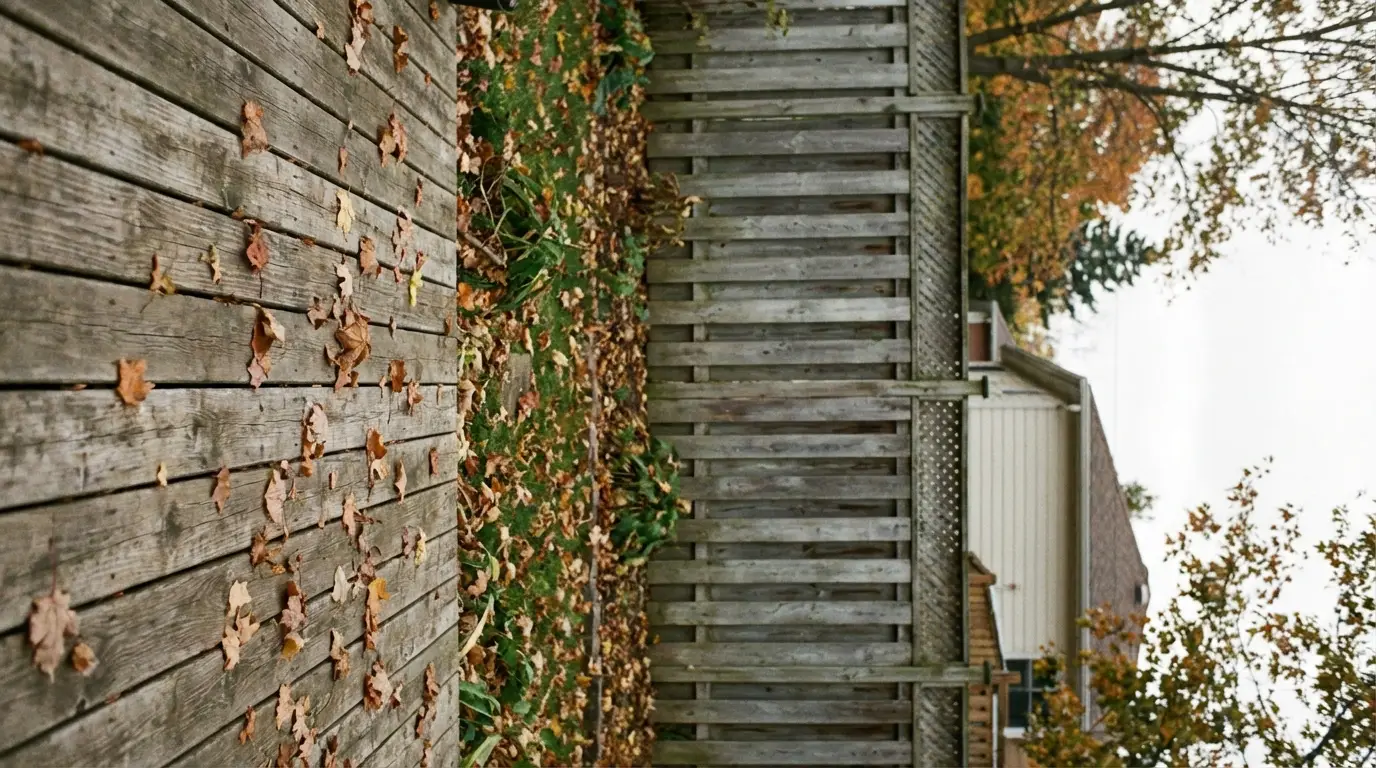
Outdoor maintenance plays a large role in seasonal home care. Exterior surfaces experience constant exposure to changing weather.
Landscaping requires seasonal attention as well. Trees and shrubs should remain trimmed away from roofs and siding. Overgrown branches may damage structures during storms.
Driveways and walkways also benefit from periodic inspection. Small cracks often expand during freeze-thaw cycles. Sealing those cracks early prevents expensive resurfacing later.
Decks and fences require seasonal protection from moisture and sunlight. Cleaning and sealing wood surfaces improves durability. These small projects also enhance the appearance of outdoor spaces.
Homeowners sometimes overlook these tasks because they appear cosmetic. In reality, exterior care helps protect structural materials underneath.
A well-maintained exterior often reflects the overall health of a property.
Creating a Simple Seasonal Home Care Routine
Seasonal maintenance becomes easier when homeowners follow consistent routines. Organization reduces the feeling of overwhelming responsibility.
Many experts recommend creating seasonal checklists. Spring might focus on drainage systems and outdoor cleaning. Summer tasks could include air conditioning maintenance and exterior inspections.
Autumn preparation often includes gutter cleaning, heating system checks, and insulation improvements. Winter maintenance usually centers on monitoring snow buildup and protecting plumbing systems.
This rotating schedule spreads responsibilities throughout the year. Tasks become manageable instead of stressful.
Modern homeownership often encourages constant upgrades and renovations. Yet the most valuable improvements frequently involve simple maintenance habits.
Homes respond well to steady care rather than occasional emergency repairs.
The bottom line? Seasonal home care reflects a broader shift in how people think about property ownership. Homes no longer represent only shelter or investment. They also represent long-term responsibility.
Homeowners who adopt seasonal routines often discover that maintenance becomes predictable rather than stressful. Each inspection or repair adds another layer of protection.
A well-maintained home does not require constant attention. Instead, it benefits from steady, thoughtful care as seasons change.