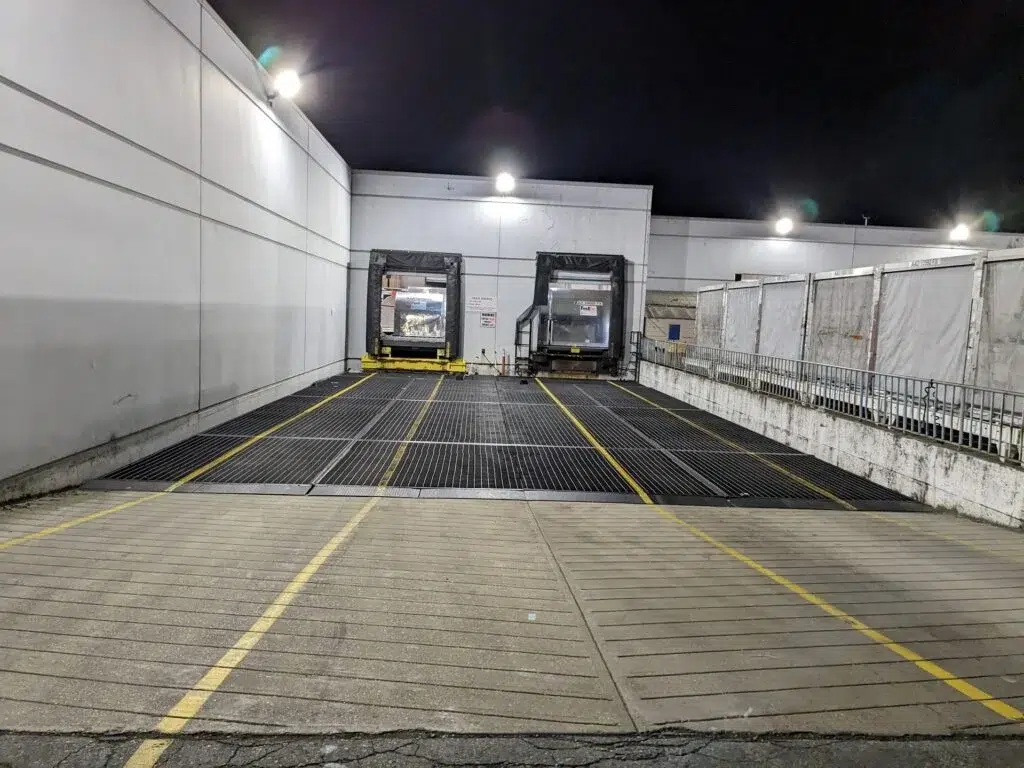
Safety in industrial environments is not optional; it is a daily responsibility. Warehouses, factories, and construction sites rely on loading ramps to move equipment and materials efficiently, but these ramps must also meet strict safety standards. Understanding what makes OSHA-compliant industrial ramps safe and compliant helps prevent accidents, protect workers, and maintain a productive work environment. Compliance not only supports safety but also reflects a company’s commitment to proper operational practices.
Understanding OSHA’s Role in Ramp Safety
The Occupational Safety and Health Administration (OSHA) sets national standards to maintain safe working conditions. These regulations apply to all forms of loading and access ramps used in industrial or construction settings. The goal is to prevent accidents caused by uneven surfaces, insufficient traction, and structural failure. OSHA standards for ramps cover several key areas, including ramp width, slope, load-bearing capacity, and surface grip. Each factor contributes to reducing the chance of slips, falls, and equipment rollbacks. When equipment loading ramps meet OSHA safety requirements, they support efficient loading operations while keeping employees and materials secure.
The Importance of Surface Traction and Stability
One of the most important features of compliant ramps is their surface design. Ramps must maintain strong traction in all weather and operational conditions. This feature prevents forklifts, carts, and workers from losing grip while moving up or down the incline. OSHA compliance requires surfaces to be slip-resistant, even under wet or oily conditions. Industrial ramps often use serrated steel grating or textured surfaces to achieve the necessary friction. These designs also allow debris and moisture to fall through rather than collect on the surface, further reducing hazards. A stable, high-traction surface is the first line of defense in maintaining workplace safety.
Load Capacity and Structural Strength
Every industrial ramp, such as heavy-duty truck ramps, must be capable of supporting the heaviest loads it will encounter. OSHA guidelines emphasize structural integrity, meaning the ramp must hold the weight of vehicles, equipment, and materials without bending, cracking, or shifting. Manufacturers test their ramps for load limits, taking into account dynamic movement from forklifts and other heavy machinery. Ramps that are designed to handle varying capacities are essential for industrial operations where equipment weight fluctuates. Structural stability also involves ensuring the ramp’s anchoring system is secure and that the surface does not deform under repeated use. These factors protect both workers and machinery from damage or injury.
Proper Slope and Transition Angles

A ramp’s slope and transition points play a major role in safe movement. OSHA regulations specify maximum gradients to prevent excessive inclines that could cause tipping or uncontrolled rolling. Ramps with a gradual slope make it easier for vehicles and workers to move without strain or risk. Transition plates at the top and bottom of ramps are also important. They allow for a smooth connection between the ramp surface and the loading area, reducing the chance of jolts that can cause materials to shift. Consistent and careful design of slope and transitions ensures safe, steady handling for both people and equipment.
Guardrails and Edge Protection
Falls from elevated surfaces remain a leading cause of workplace injuries. OSHA requires guardrails or edge barriers on ramps that exceed specific height thresholds. These barriers prevent forklifts and workers from veering off the ramp edge. Guardrails must be strong enough to withstand impact from heavy equipment while still allowing for smooth operation. The inclusion of side curbs or rails adds another layer of protection, especially in fast-paced loading environments where space is tight and visibility can be limited. Edge protection is one of the most visible indicators of a ramp’s compliance and safety commitment.
Inspection and Maintenance Requirements
OSHA compliance is not only about design but also about continued maintenance. Regular inspections are mandatory to identify wear, corrosion, or structural fatigue that could compromise safety. Operators must check for loose hardware, surface damage, and debris buildup that could interfere with traction. Scheduled maintenance extends a ramp’s lifespan and keeps it compliant. Repairing minor issues before they grow into safety risks is a key part of responsible operation. Proper documentation of maintenance activity also supports compliance during official inspections, protecting both the company and its workforce.
Portable and Permanent Ramp Applications
Industrial ramps come in two main categories: portable and permanent. Each has its place in compliance planning. Portable ramps are ideal for sites that require flexible loading options or operate in multiple locations. They must meet the same safety standards as fixed ramps, including surface traction, guardrails, and load capacity. Permanent ramps are built into a facility’s infrastructure and typically support ongoing, high-volume loading. Because of their frequent use, they require consistent inspection schedules and proper anchoring systems. Both types, when designed and maintained correctly, support OSHA-compliant loading practices across diverse industrial environments.
The Role of Training and Operational Awareness
Even the most structurally sound ramp can be unsafe if used incorrectly. OSHA emphasizes worker training as part of full compliance. Operators must understand how to position equipment, secure ramps, and recognize potential hazards. Training also helps workers respond quickly if a problem arises, such as identifying surface wear or loose railings before an accident occurs. Encouraging consistent safety practices among employees reinforces the value of compliant equipment. When training complements proper ramp design, the result is a safer, more reliable workplace with fewer interruptions and incidents.
Benefits of Compliance for Business Operations
Adhering to OSHA standards is about more than meeting legal obligations. It also improves productivity and reduces operational risk. Ramps that meet compliance standards minimize downtime from accidents, injuries, or repairs. They promote smoother workflows, reduce insurance costs, and improve employee confidence. Compliance demonstrates professionalism and responsibility to clients, employees, and regulatory bodies. For businesses handling heavy logistics or construction materials, maintaining OSHA-compliant systems can also protect long-term contracts and partnerships by proving adherence to national safety expectations.
Common Challenges in Maintaining Compliance

Maintaining OSHA compliance across different ramp types can be challenging for growing operations. Facilities that expand or relocate may face layout changes that affect ramp angles or access points. Seasonal shifts or outdoor use can expose ramps to weather conditions that impact traction and durability. Addressing these challenges requires proactive planning. Selecting ramp systems made with corrosion-resistant materials and adjustable configurations helps sustain compliance across changing work environments. Understanding OSHA requirements before installation helps avoid violations and costly retrofits later.
Adapting to Modern Industrial Demands
Industrial operations continue to evolve, demanding more mobile and scalable ramp solutions. As distribution centers, construction projects, and manufacturing plants grow, the need for compliant, flexible loading systems becomes even more important. Portable ramps designed with OSHA standards in mind meet this demand while maintaining high safety performance. By combining durability, easy mobility, and compliance-focused features, these ramps help bridge the gap between temporary and permanent workspaces. Their adaptability supports businesses looking to stay compliant while also keeping up with modern logistics needs.
OSHA-compliant industrial ramps make it possible to operate with confidence, knowing that safety is built into every load, movement, and transition. As industrial workspaces continue to expand, maintaining compliance will remain a defining factor in long-term operational success.