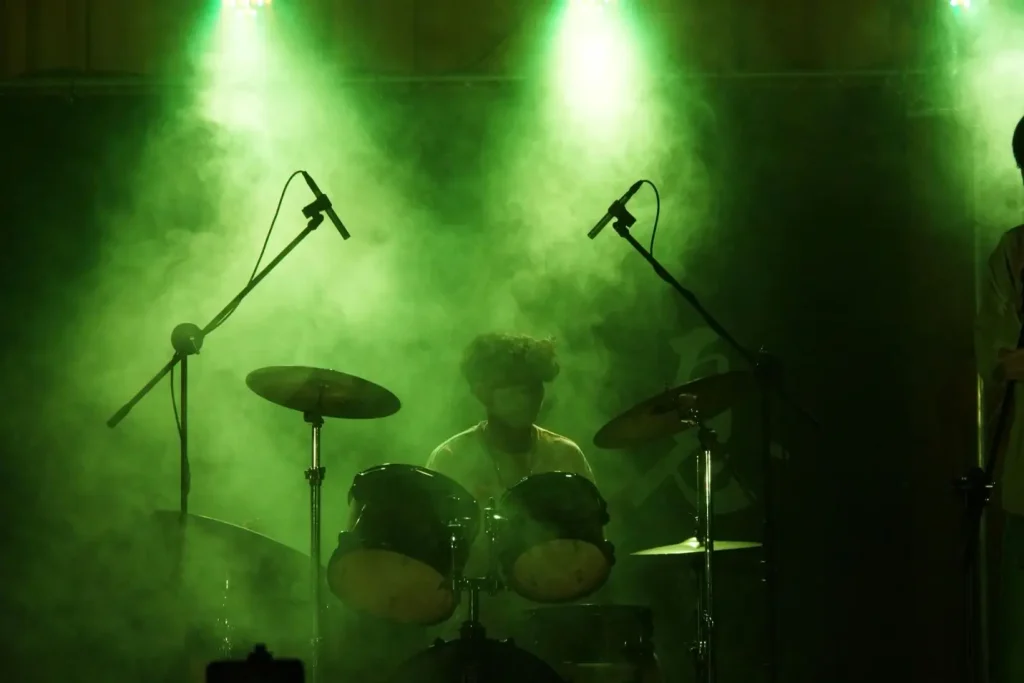
Some things lose half their magic the moment they stop being live. A concert is the easiest example. The set list still exists afterward, the clips still circulate, and the best moments can be replayed a hundred times, but none of that fully captures what it felt like when the room was reacting together in real time. Live cricket works in much the same way. The score can always be checked later. Highlights can show the key wickets and big shots. What they miss is the build-up, the pressure between deliveries, and the sudden shift in mood that everyone watching can feel before the scoreboard fully explains it. That is where the real attraction sits.
This is precisely why live cricket can work naturally on an entertainment-driven site. A reader who comes for music, performance culture, celebrity coverage, and live-event energy already understands what makes real-time experiences different from polished recaps. The appeal is not only in the final result. It is in the anticipation, the atmosphere, and the way one moment changes the emotional temperature of everything around it. Cricket has all of that. It may be a sport, but its best live passages feel very close to stage energy. A slow build, a release, a crowd sensing a turn before it fully arrives – that rhythm is familiar to anyone who spends time around live entertainment.
More Than a Score
A cricket match always looks flatter when it is reduced to numbers alone. Runs, wickets, and overs tell the outline, but they do not tell the whole story. A batter may still be scoring and already look unsettled. A bowling side may still be waiting for a breakthrough and already feel in charge. A captain can move one fielder a few steps and quietly make the next delivery feel much heavier. These are the things that make live viewing different. The viewer is not simply following information. The viewer is reading a mood while it is still taking shape.
That is also why checking a cricket live match online makes sense in a space built around live culture rather than dry sports reporting. The point is not only to know what happened. The point is to catch the shift while it still has heat in it. In music, a crowd can sense when a performance is about to lift before the chorus even lands. Cricket works the same way. A few dot balls in a row can change the whole room. A batter taking longer between deliveries can create tension all on its own. Those are live-event instincts, and they make the sport feel much closer to entertainment culture than people sometimes admit.
Built Like a Good Set

One reason this connection feels so natural is that cricket understands pacing. Good live entertainment does not stay at one emotional level the whole time. It builds, eases off, tightens again, then lands a bigger moment because the audience was given time to feel the pressure first. Cricket is built on exactly that structure. A quiet over is not always dead space. Sometimes it is the setup for the spell that changes everything. A partnership can look ordinary on paper and still feel gripping because the game has started to lean in one direction without fully breaking open yet.
That is where the sport becomes effortless to place beside a music-and-culture donor. Readers in that space already value atmosphere. They know that the best parts of a performance are not always the loudest ones. Sometimes the strongest moment is the pause right before the crowd reacts. Cricket offers the same kind of tension. One spell can feel like a slow build toward a drop. One chase can feel like a last act that keeps stretching tighter and tighter until the release finally comes. The emotional logic is surprisingly close.
Crowd Feeling Without the Stage
A live match does something very few digital experiences still manage to do well. It creates shared emotional timing. People may be watching from different places, on different screens, and still react at almost the same moment because the game has built everyone toward the same point of tension. A singer holding the pause before the hook can do that. So can a bowler running in with a set batter under pressure and the field pulled in tighter than before. The details are different, but the feeling is not.
Small Turns Change Everything
This is usually what keeps viewers locked in. The game does not need constant spectacle. It only needs enough movement beneath the surface for people to feel the turn coming. A few moments tend to do that especially well:
- a batter who suddenly stops looking fluent even though the score still moves
- a bowler returning to the same area because the plan is clearly starting to work
- a field change that quietly takes away the easiest scoring option
- a short run of dot balls that makes the crowd sound different
- a partnership that looks stable but never really feels comfortable
These are the shifts that make live cricket feel alive. They give viewers something to react to before the result becomes obvious, which is undoubtedly what strong entertainment does too.
Better Than Clips
Plenty of sports content ends up being consumed the same way as everything else online now – in fragments. One clip replaces another, the key moments are isolated, and the full shape of the event gets lost. Live cricket resists that better than most because it gains so much from continuity. A wicket means more when the pressure was visible for two overs before it. A boundary means more when the batting side badly needed release. A partnership matters more when the audience has already felt how fragile the innings looked without it. The thread is what makes the emotion land.
That continuity is one of the best arguments for placing cricket beside a donor in the entertainment niche. A culture site is not only interested in facts. It is interested in the feeling of events while they are unfolding. It values reaction, atmosphere, shared attention, and those moments when people know something matters before they can fully explain why. Live cricket gives all of that. It is not simply a game moving toward a result. It is an experience moving through mood.