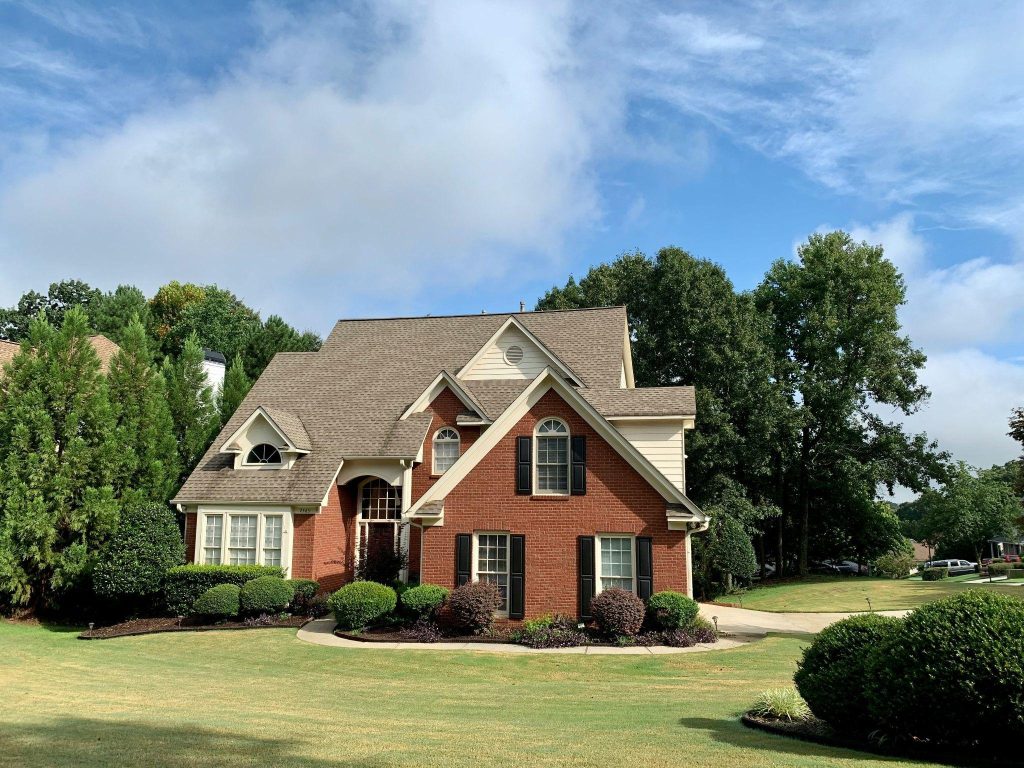
Building a house is one of the biggest projects most people will ever take on. If you’re researching how to build a house, you’re likely looking for more than a simple checklist. You want to understand the full process, realistic timelines, where decisions matter most, and how all the moving parts fit together from planning to move-in day.
This guide walks through the complete home-building process as it looks in 2026, breaking it into clear stages so you can plan confidently, avoid common delays, and make informed decisions at every step.
Step 1: Define Your Goals, Budget, and Timeline
Every successful build starts with clarity. Before you buy land or sketch layouts, define what you’re building and why.
Ask yourself:
- Is this a primary residence, a rental, or a custom forever home?
- How many square feet and bedrooms do you truly need?
- What level of customization is essential versus optional?
- What is your realistic all-in budget, including contingency?
In 2026, most homeowners should plan for a 9–18 month total timeline, including design and permits. The physical construction phase alone typically runs 6–12 months, but pre-construction often takes longer than expected.
Step 2: Choose and Evaluate the Land
If you don’t already own land, this step can determine whether building makes financial sense.
Key factors to evaluate:
- Zoning and setback requirements
- Utility access (water, sewer, power, gas)
- Site access and grading needs
- Soil conditions and drainage
- HOA or neighborhood restrictions
A lot that looks affordable upfront can become expensive once site prep and utilities are factored in, so due diligence here is critical.

Step 3: Secure Financing and Construction Loans
Most builds use a construction loan that converts to a traditional mortgage after completion. These loans are paid out in stages (draws) as work is completed and inspected.
Expect lenders to require:
- Detailed plans and specifications
- A fixed or well-defined budget
- A qualified builder
- Regular inspections before each draw
Understanding your loan structure early helps prevent cash-flow issues mid-build.
Step 4: Design the House
Stock Plans vs Custom Design
Stock plans are faster and cheaper, while custom designs allow full flexibility but add time and cost. Many homeowners start with a stock plan and customize it to balance speed and personalization.
Layout, Function, and Long-Term Use
Good design is about more than aesthetics. Think about:
- Daily traffic flow
- Storage and mechanical space
- Energy efficiency and insulation
- Future needs, such as aging in place or home offices
Decisions made here affect both build time and long-term comfort.

Step 5: Permits, Zoning, and Approvals
Permitting is one of the most unpredictable parts of building a house. Depending on your location, approvals can take weeks or several months.
This stage includes:
- Plan review
- Zoning compliance
- Environmental or utility approvals
- Scheduling required inspections
Delays here are common, which is why experienced coordination is so valuable.
Step 6: Hire the Right Builder and Team
Your builder is responsible for turning plans into reality and coordinating every trade involved in the project. A good builder manages scheduling, inspections, materials, and communication so work flows smoothly from phase to phase.
Homeowners often work with full-scope residential builders likeSkyline Build Inc to oversee permitting, structural work, and trade coordination from start to finish, helping prevent downtime and costly sequencing errors.
Step 7: Site Prep and Foundation
Once permits are approved, physical work begins.
This stage includes:
- Clearing and grading
- Excavation
- Utility trenching
- Foundation formwork, pour, and curing
Weather and soil conditions can influence how quickly this phase moves, and inspections are required before progressing.
Step 8: Framing and Structural Construction
Framing gives the house its shape. Walls, floors, roof systems, windows, and exterior sheathing are installed during this phase.
This is one of the fastest stages visually, but it’s also sensitive to weather and labor availability. Once framing is complete, the home is “dried in,” allowing interior work to begin.

Step 9: Mechanical Systems and Rough-Ins
With the structure in place, trades install:
- Plumbing lines
- Electrical wiring
- HVAC ductwork and systems
These rough-ins must pass inspections before insulation and drywall can proceed. Coordination between trades is essential to avoid rework and delays.
Step 10: Interior and Exterior Finishes
Drywall, Cabinets, Flooring, and Trim
After insulation, drywall is installed and finished. From there, cabinets, countertops, flooring, doors, and trim follow in a specific sequence. Material lead times often impact this stage, especially for custom cabinetry or specialty finishes.
Painting and Final Surface Work
Painting is one of the final steps before fixtures and appliances are installed. Interior paint typically happens after drywall finishing, while exterior paint is scheduled based on weather and siding completion.
Many builders bring in professional painting teams likeCover Pro Painting during this stage to complete interior and exterior finishes cleanly and efficiently, preparing the home for final inspections and move-in.
Step 11: Final Inspections, Punch List, and Move-In
The last phase includes:
- Final code inspections
- Completing punch list items
- Installing fixtures and appliances
- Issuing the certificate of occupancy
This stage usually takes 2–4 weeks, depending on how many corrections are required and how quickly they’re addressed.

Common Mistakes to Avoid When Building a House
Some of the most frequent issues that extend timelines and budgets include:
- Changing plans mid-build
- Underestimating permit timelines
- Skipping contingency funds
- Delayed decision-making on finishes
- Poor communication between owner and builder
Most delays are preventable with early planning and clear expectations.
How to Keep Your Build on Schedule and Budget
Homeowners can play a major role in keeping projects on track by:
- Finalizing selections early
- Responding quickly to builder questions
- Attending regular check-ins
- Avoiding scope creep
- Understanding inspection milestones
Building a house is a partnership, and proactive involvement pays off.
Final Thoughts
Learning how to build a house in 2026 means understanding that the process is a series of connected phases, not a single event. From planning and permits to construction and final paint, each step affects the next.
With realistic timelines, a qualified builder, and experienced finishing professionals, building a home can be a structured, predictable process rather than a stressful one. The key is preparation, clear communication, and assembling the right team from day one.