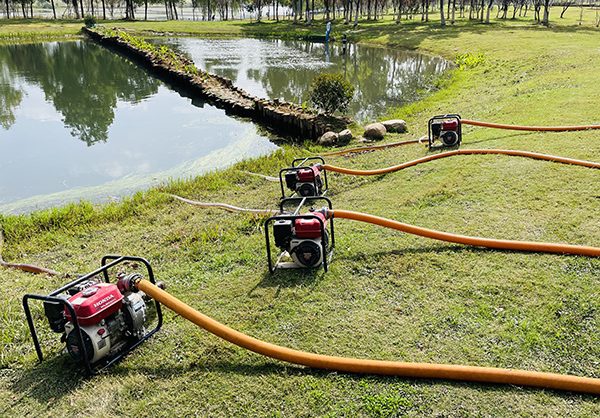
A well-built fire pump and hose kit can make the difference between property damage and protection during bushfire season. To build a complete setup, the system must deliver strong water pressure, have the right hoses for each task, and include a pump with enough power to draw water from your main source, such as a tank, dam, or pool. Each part of the kit works together to give a fast and steady response if a fire threatens.
Australians living in bushfire-prone areas understand the need for preparation long before high temperatures arrive. They need the right gear ready, properly set up, and easy to use under pressure. A purpose-built fire pump and hose kit provides that line of defence by turning stored water into a useful firefighting tool.
This guide explains what components make up an effective kit, how to set them up, and what maintenance steps keep the system in working order. By understanding these parts and their roles, property owners can feel confident that their equipment will perform when needed most.
Basic Fire Pump and Hose Kit Components

A complete fire pump and hose kit helps protect properties during bushfire season by providing strong water flow, heat resistance, and simple operation. It requires careful selection of the right pump, suction hose with a strainer, delivery hoses, fittings, and safe accessories built for Australian conditions.
Choosing the Right Fire Fighting Pump
A fire fighting pump must deliver steady pressure from a water source to the hose. Petrol-driven units are preferred for off-grid use since they operate during power cuts. Single- and twin-impeller pumps both perform well, but twin models move water faster and are better suited to steep terrain or long hose runs.
Homeowners in bushfire-prone areas can get high‑pressure fire pumps AU here to reach distant fire fronts. Pumps should have quality metal fittings, a sturdy frame, and a motor rated for outdoor work. A pressure rating above 100 psi often meets property defence needs.
Before purchase, users must confirm that the suction and discharge ports match standard hose sizes such as 38 mm or 50 mm. Maintenance also matters; fuel filters, recoil starters, and seals should be easy to service.
Selecting and Installing Suction Hose and Strainer
A suction hose connects the pump to a water source such as a tank, dam, or pool. It must resist collapse under suction pressure. A 50 mm PVC hose with a rigid spiral design suits most pumps. The length should allow safe distance from the water’s edge and secure placement of the pump on level ground.
A strainer fixed to the hose inlet stops leaves and debris from entering the pump. Brass or polypropylene strainers last longer than plastic options. They must sit below the water surface but above the bottom to avoid mud intake.
Clamps should hold the hose tightly to prevent air leaks. Even a small leak can cause cavitation and reduce water flow. After setup, users should test suction by priming the pump and watching for consistent water draw within seconds.
Fire Hose Options and Proper Fittings
A discharge hose carries water from the pump to the nozzle. Canvas lay-flat hoses are light and easy to store, while PVC hoses last longer against abrasion. Many kits supply two 10-metre hoses that join to make a 20-metre line for flexible reach.
Brass fittings are preferred over plastic for higher heat tolerance and tighter seals. Quick couplers save time during emergency setup. Homeowners should check that fittings match both the pump outlet and the nozzle thread.
Each hose section must handle working pressures of at least the pump’s rated output. It helps to choose hoses with bright colours such as yellow or red for easy visibility during smoky conditions.
Key Accessories and Safety Gear
Extra accessories increase performance and safety. A variable nozzle allows adjustment from spray to jet, giving control of water direction and coverage. Spare clamps, T-bolts, and couplings prevent downtime if parts fail during use.
Personal gear is equally important. Fire gloves, goggles, non-slip boots, and flame-resistant clothing protect the user. Heat can build quickly near equipment, so proper attire and a clear escape path are important.
A fire extinguisher near the pump site can help stop small flare-ups. Regular inspection of hoses and fittings before summer reduces risk and keeps all parts ready for instant response.
Setting Up, Maintaining and Using Your Bushfire Pump Kit

A properly built and maintained fire pump kit can make a major difference in bushfire protection. The setup must allow strong water flow, safe operation, and speedy response. Maintenance checks then keep the equipment dependable through the bushfire season.
Step-By-Step Assembly and Installation
Start by placing the fire pump on a flat, stable base made from concrete, bricks or treated timber. A level base keeps the pump steady and reduces vibration. Connect a suction hose between the water source and the pump inlet. The hose must be airtight to avoid air leaks, which can break water pressure. Use hose clamps to secure fittings tightly.
Attach the discharge hose to the outlet side of the pump and direct it toward the area you wish to defend, such as a garden line or perimeter around fire breaks. Submerge the suction hose strainer under water but above sediment level to prevent debris blockage. Fill the pump with water to prime it before starting the engine so the impeller does not spin dry. If the pump runs on petrol or diesel, always check the fuel and oil before use.
Keep the system close to water storage such as a tank, pool or dam. The shorter the hose distance, the better the flow rate and pressure. Test the connection by starting the pump briefly to confirm consistent water discharge with no leaks or spurts.
Guaranteeing Effective Water Pressure and Flow Rate
Water pressure and flow rate measure how strongly and how fast the pump delivers water. Both must balance for steady performance under bushfire conditions. Too little pressure and the spray will not reach key zones. Too much and fittings may strain or blow out.
The pump type and nozzle size affect flow. A single‑stage pump gives high flow for water transfer, while a twin‑stage model builds higher pressure for sprinklers or defence lines. Keep hoses short and straight since bends or long runs lower water pressure. Clean filters often because blocked strainers reduce efficiency. Maintain seals and gaskets to prevent air leaks that cause surging or weak pressure.
Regular testing before bushfire season helps confirm that all parts meet design output. A small handheld gauge can measure pressure at the hose outlet and show if adjustments are needed to meet property layout demands.
Routine Maintenance and Emergency Preparedness
Routine checks keep the bushfire pump kit ready for sudden use. Inspect hoses each week for cracks, kinks or loose clamps. Replace damaged parts promptly. Run the pump for a few minutes every month to circulate fuel and prevent the seals from drying. After each use, flush clean water through the system to clear debris and rust.
Store fuel safely in an approved metal container away from heat sources. Keep spare spark plugs, oil and replacement hoses in the emergency kit. Before bushfire season, clean air filters and refill water tanks to full capacity. A small sheet of notes with clear start‑up steps can also help anyone operate the pump quickly under stress.
During a bushfire, start early. Position the pump near a safe zone with good airflow and connect hoses toward protection points around the home. Avoid placing the unit where radiant heat or embers can damage it. By keeping this preparation routine simple and regular, the pump will stay ready for any emergency.
Conclusion
A complete fire pump and hose kit gives households and rural properties a dependable way to prepare for bushfire season. Each part, from the suction hose to the nozzle, must suit the property layout and available water sources. Proper setup reduces delays during an emergency and supports faster response.
Fuel-based pumps, whether petrol or diesel, remain practical for areas at risk of power failures. A well-matched hose kit with fire-rated fittings and weather protection adds an extra layer of readiness. Regular checks and safe fuel storage help keep the system ready to use at short notice.
Taking time to plan and assemble the right kit protects both people and property. With the correct equipment, every property owner can strengthen their bushfire safety plan before the next fire season arrives.