Music has become an integral component of the online gaming landscape, enhancing player experiences in remarkable ways. The intersection of music and gaming creates immersive environments that captivate players and keep them engaged. This dynamic fusion elevates the sensory experience, making gaming not just a pastime but an adventure.
In recent years, the integration of music into online gaming has grown significantly, crafting experiences that are both immersive and engaging. Soundtracks play a pivotal role in enriching the player’s journey, adding depth and emotion to the virtual worlds they explore. Whether you’re navigating through an action-packed battlefield or unraveling a mystery, casino sign up bonus music sets the tone, guiding your emotions and heightening your senses. As music continues to transform gaming experiences, it becomes clear that this partnership is more than just background noise; it’s a vital element that shapes the way players interact with games.
The Psychological Effects of Music on Gaming Enthusiasts
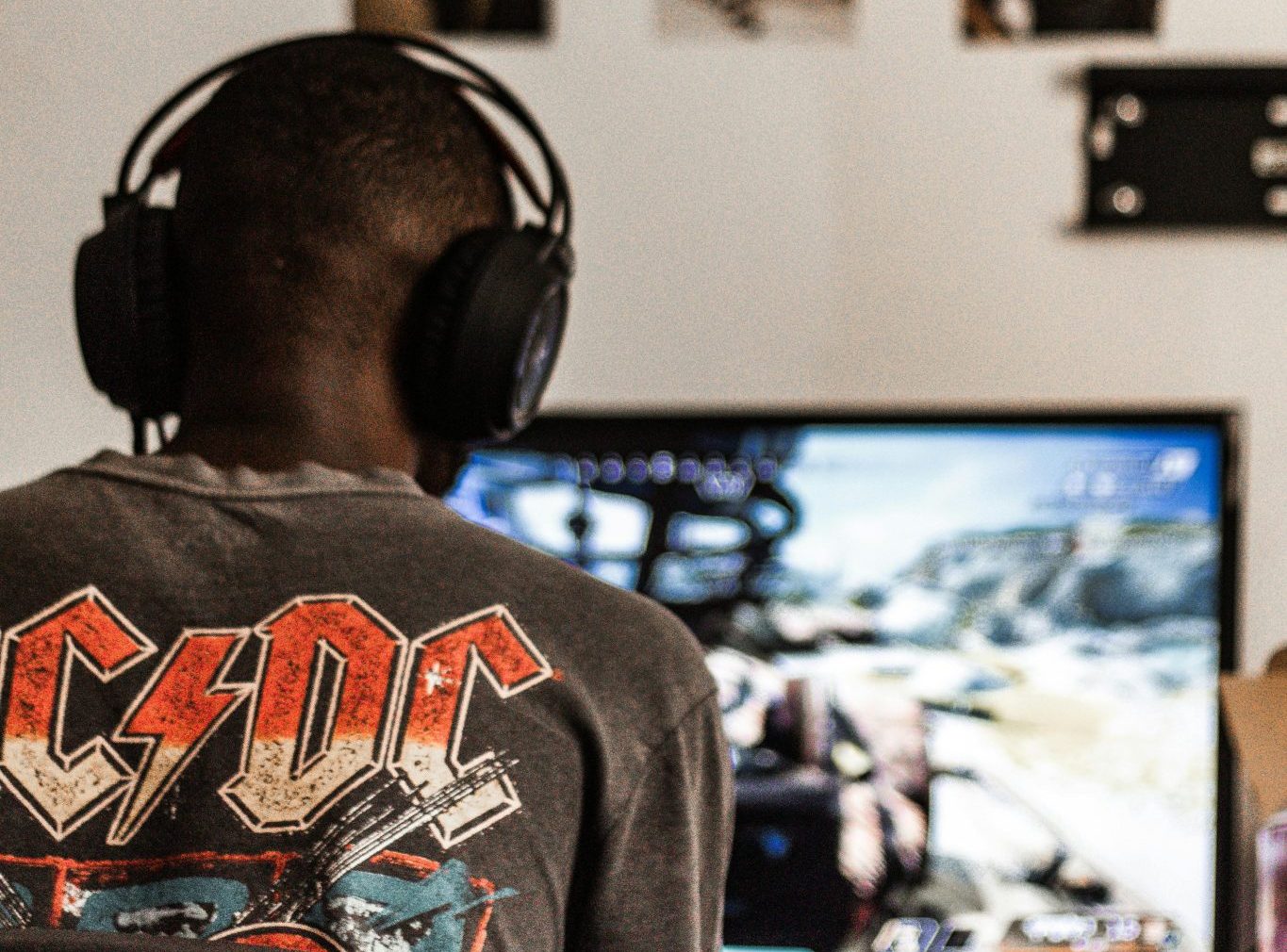
Music holds a powerful influence over our emotions and actions, and this extends significantly into the realm of online gaming. It affects players on a psychological level, shaping their moods and even altering their perceptions. Fast-paced tracks can induce excitement and urgency during a high-stakes game, while soothing melodies might accompany exploration or puzzle-solving scenarios. This psychological manipulation through sound can enhance the immersive quality of games, allowing players to become more deeply absorbed in the virtual environment.
Different genres play distinct roles in setting the atmosphere within games. A horror game might employ suspenseful orchestral scores to keep players on edge, while upbeat electronic music could accompany a vibrant racing game to maintain an adrenaline-pumping pace. These musical choices are strategically selected to evoke specific emotional responses from players. As you navigate these soundscapes, you may find yourself reacting instinctively to changes in tempo or key, which guides your gameplay choices without conscious thought.
Research has shown that music can significantly impact cognitive performance and decision-making speed in gaming contexts. When players are exposed to rhythmic patterns that match the pace of gameplay, their reaction times often improve, creating a seamless synchronization between auditory input and physical response. This phenomenon, known as auditory-motor synchronization, explains why many competitive gamers prefer specific music genres during intense gaming sessions. Additionally, music can help reduce stress and anxiety during challenging gameplay moments, providing a psychological buffer that allows players to maintain focus and composure even when facing difficult obstacles or opponents.
Enhancing Virtual Environments With Tailored Soundtracks
Soundtracks serve as an invisible architect within games, constructing worlds that feel alive and compelling. By carefully weaving musical elements into gameplay, developers can craft rich environments that draw players deeper into their creations. A game’s soundtrack can be as crucial as its visual design in establishing its overall aesthetic and mood. In some cases, iconic music becomes synonymous with the game itself, elevating its status within popular culture.
Several popular games have set benchmarks for how effectively music can enhance player engagement. These games utilize soundtracks to evoke emotional connections and create memorable experiences. Fantasy role-playing games rely on sweeping scores that transport players to otherworldly realms, while shooters might use intense rhythms to amplify action sequences. By integrating these audio elements seamlessly into gameplay mechanics, developers ensure that every note contributes to the player’s immersion.
The process of creating game soundtracks has evolved into a sophisticated art form that requires collaboration between composers, sound designers, and game developers. Modern game music often incorporates adaptive audio systems that respond dynamically to player actions, ensuring that the soundtrack remains relevant to the current gameplay situation. For instance, combat music might intensify as enemies approach or transition to a calmer melody when exploring safe zones. This layered approach to audio design creates a more responsive and believable game world, where every sound serves a purpose in reinforcing the narrative and gameplay mechanics. The attention to detail in these soundscapes demonstrates how crucial audio has become in defining a game’s identity and player experience.
Player Engagement and Retention Through Music
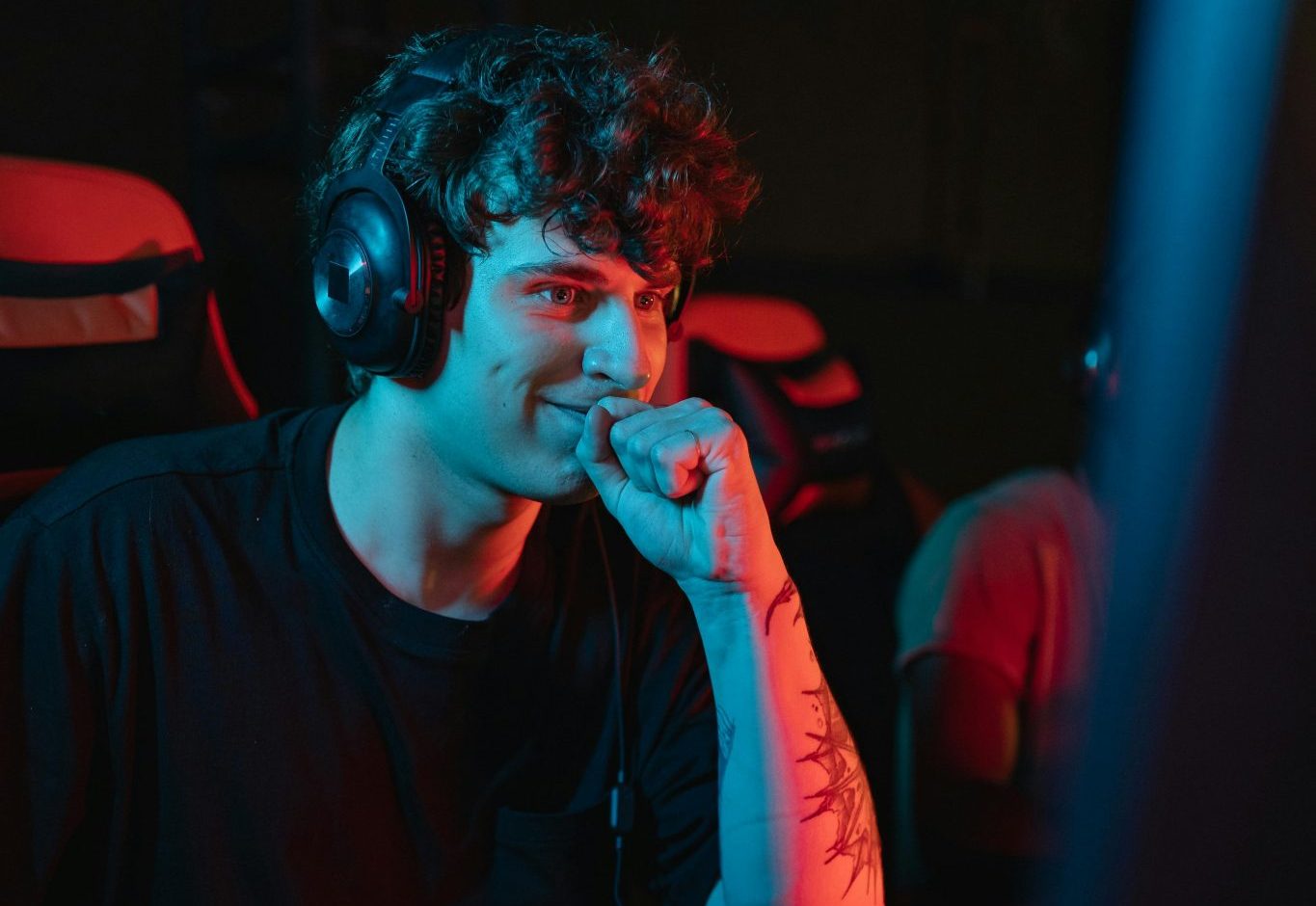
Music’s impact on player engagement is profound and multifaceted. A well-crafted soundtrack can increase retention by making games more enjoyable and memorable. Players often develop emotional connections with certain tracks or themes, which encourages them to return to the game time after time. This familiarity breeds loyalty as players associate positive feelings with specific musical cues.
The emotional bonds formed through music extend beyond mere enjoyment; they also influence how players perceive their gaming experiences. When you connect emotionally with a game’s soundtrack, it transforms routine interactions into meaningful moments. These connections make victories feel more triumphant and losses less disheartening because they are underscored by resonant melodies that echo your journey within the game world.
Studies in gaming psychology reveal that memorable soundtracks can trigger nostalgia and create lasting impressions that extend far beyond the gaming session itself. Players often find themselves humming game themes or feeling emotional responses when hearing familiar tracks outside of the gaming context. This powerful association between music and memory serves as a marketing tool that keeps games relevant in players’ minds long after they’ve stopped playing. Game developers leverage this connection by releasing official soundtracks, hosting live orchestral performances, and encouraging community engagement through music-related content. These strategies not only enhance player loyalty but also expand the game’s cultural footprint, transforming soundtracks into standalone experiences that attract both gamers and music enthusiasts alike.
Future Trends in Gaming Music Integration
Looking ahead, the integration of music within online gaming is poised for further evolution as technology advances. Emerging trends suggest that dynamic soundtracks could adapt in real-time based on player actions or environmental changes within games. This level of interactivity would deepen immersion even further by allowing each player’s experience to be unique, tailored precisely according to their gameplay style.
Technological advancements also open possibilities for more personalized auditory experiences through AI-generated compositions or custom playlists curated by individual users themselves. Such innovations promise richer sensory engagements where every aspect harmonizes perfectly with personal preferences without disrupting narrative flow or thematic consistency found across diverse genres today.
The role of music in transforming online gaming experiences cannot be understated. It acts as both an enhancer and motivator throughout various stages encountered during play sessions worldwide. As seen throughout countless titles spanning multiple platforms, music continues to be a crucial component that enhances the overall gaming experience.