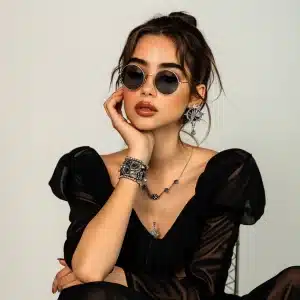
In editorial styling and photo shoots, every detail carries weight. Clothing, lighting, posture, and expression all work together to tell a story. Glasses, when chosen well, can sharpen that story. When chosen poorly, they can distract from it.
That is why eyewear in editorial contexts is never an afterthought. It is a deliberate styling decision that influences mood, character, and visual balance.
Unlike everyday wear, editorial styling is not about personal comfort alone. It is about how frames translate through the camera lens, interact with lighting, and support the narrative the shoot is trying to convey.
Why do glasses matter so much in editorial imagery?
Glasses sit close to the face, which is the emotional center of most images. They frame the eyes, alter perceived proportions, and immediately communicate tone.
In editorial work, glasses can suggest:
- Authority, intellect, or seriousness
- Creativity or individuality
- Timelessness or modern edge
- Softness or sharpness in character
Because of this, eyewear often becomes part of the subject’s identity within the shoot rather than a neutral accessory.
How should glasses align with the concept of the shoot?

The first question in editorial styling is never “What looks good?” but “What story are we telling?”
Glasses must align with the creative direction. A minimalist fashion story may require frames that feel restrained and quiet, while a conceptual shoot might benefit from stronger silhouettes.
Before selecting frames, stylists usually consider:
- The era or mood being referenced
- Whether the subject is meant to feel approachable or distant
- How bold or understated the final image should be
Frames that do not match the concept can pull attention away from the intended message.
What role does frame shape play on camera?
Frame shape affects facial geometry in photographs more dramatically than in real life. Cameras flatten depth, so shapes need to compensate visually.
General editorial considerations include:
- Angular frames add structure and intensity
- Round frames soften features and create approachability
- Oversized frames can exaggerate expression and presence
- Thin frames disappear more easily into the overall look
The goal is balance. Frames should complement facial features without overpowering them once translated through the lens.
Why is material choice important for photo shoots?
Materials reflect light differently, which becomes critical under studio or natural lighting.
Shiny finishes can create glare or unwanted reflections, while matte or translucent materials tend to photograph more softly. Thick acetate may add graphic weight to an image, while thin metal frames often feel lighter and more editorial.
Stylists often test frames under lighting conditions before final selection to see how they interact with highlights and shadows.
How do glasses interact with wardrobe styling?
Glasses should never feel disconnected from clothing. They need to sit naturally within the visual language of the outfit.
In editorial styling, eyewear often:
- Echoes the color palette of the wardrobe
- Reinforces the structure or softness of garments
- Acts as a visual anchor when outfits are minimal
For example, clean tailoring pairs well with structured frames, while flowing fabrics often benefit from softer shapes.
When should glasses blend in rather than stand out?
Not every shoot calls for statement eyewear. In many cases, glasses are meant to support the subject rather than compete with clothing or makeup.
Frames that blend in are useful when:
- The focus is on texture, fabric, or silhouette
- Makeup or hair is the primary visual element
- The shoot aims for timelessness rather than trend
Neutral tones and classic shapes allow the image to age well and remain versatile for publication.
When do bold frames make sense in editorials?
Bold glasses are powerful tools when the concept allows for them. They can define character instantly and add graphic interest to simple compositions.
They are especially effective in:
- Fashion-forward or experimental editorials
- Portraits centered on identity or self-expression
- Shoots with restrained wardrobes that need contrast
The key is intention. Bold frames should feel purposeful, not decorative.
How does fit affect editorial outcomes?
Fit matters even when comfort is secondary. Poorly fitting glasses can tilt, sit unevenly, or distort facial lines in ways that are difficult to correct in post-production.
Proper fit ensures:
- Symmetry across facial features
- Consistent eye alignment across frames
- Fewer distractions during shooting
Stylists often adjust or secure frames subtly to maintain alignment throughout the shoot.
Why are lenses often non-prescription in editorials?
In editorial styling, lenses are usually clear or non-corrective. This avoids distortion, glare, or magnification effects that can interfere with eye contact and expression.
The focus remains on the face, not the function of the eyewear. The glasses are there to shape perception, not correct vision.
How do stylists source glasses for editorial work?
Stylists look for collections that offer variety, clean design, and adaptable aesthetics. Access to a wide range of shapes and finishes allows creative freedom without overcommitting to trends.
Platforms that offer diverse glasses styles give stylists flexibility to match frames to different concepts, faces, and visual tones while maintaining consistency in quality.
How should photographers and stylists collaborate on eyewear choices?

Eyewear selection works best when styling and photography are aligned. Photographers often provide insight into how frames behave under specific lighting setups or camera angles.
Collaborative considerations include:
- Testing frames under final lighting
- Adjusting angles to reduce reflection
- Choosing frames that enhance rather than block eye contact
This collaboration ensures eyewear enhances the final image instead of creating technical challenges.
What common mistakes should be avoided?
Some pitfalls can weaken editorial results if not considered early.
These include:
- Choosing frames solely based on trend appeal
- Ignoring how lenses reflect studio lighting
- Using glasses that overpower facial expression
- Treating eyewear as an afterthought
Editorial styling rewards intention and restraint more than novelty.
Conclusion
Choosing glasses for editorial styling and photo shoots is a balance of concept, proportion, and visual storytelling. The right frames do not simply accessorize the subject. They shape perception, reinforce narrative, and influence how the image is read.
When eyewear aligns with the shoot’s purpose, interacts well with light, and complements wardrobe and expression, it becomes an integral part of the editorial language. In that context, glasses are not just seen. They are understood.