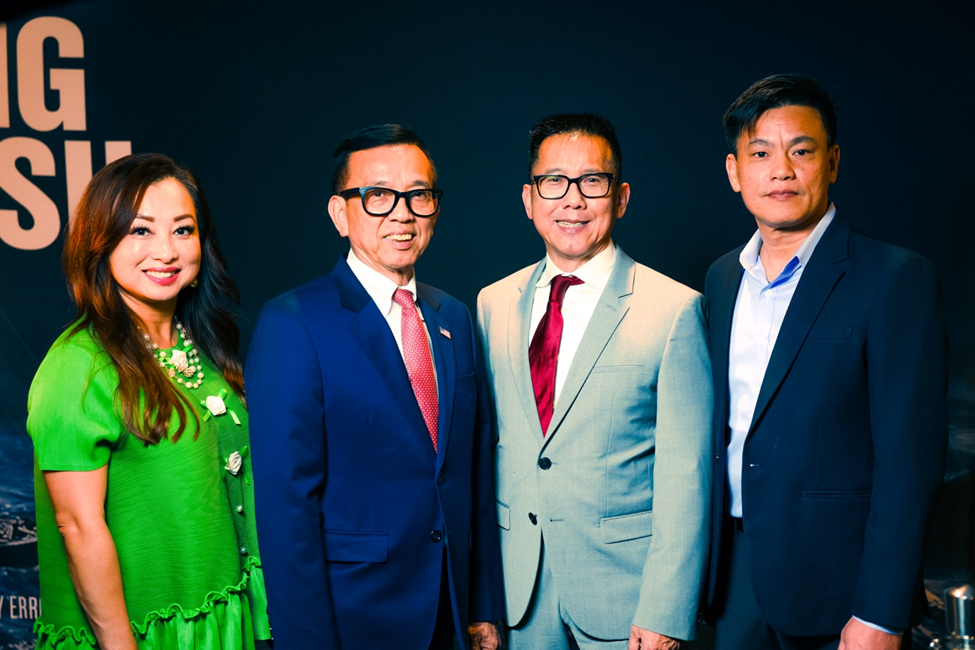
Documentary films are one of the most effective ways to tell stories that matter. They help people remember the past, understand their identity, and see the world through someone else’s eyes. In recent years, audiences have gravitated toward films rooted in lived experience, stories that blend history, cultural memory, and personal resilience. The King of Trash enters that landscape with uncommon clarity, grounding a global environmental industry in the intimate journey of one family. For Vietnamese American entrepreneur David Duong, a documentary now carries the story of his family’s life, one shaped by loss, rebuilding, and a commitment to community. It is also a rare glimpse at the Vietnamese American experience told not through tragedy alone, but through reinvention and public service.
Beyond business success, Duong has built a long-standing record of community investment that reflects his belief that progress must be shared. His contributions span education, healthcare, disaster relief, cultural preservation, and youth development, each aimed at expanding opportunity and strengthening the communities that shaped him.
His new film, The King of Trash, tells the story of a refugee family that lost everything in 1975 and built a major environmental company in the United States and Vietnam. The story is emotional and honest, highlighting the values that have guided the Duong family from the beginning: unity, integrity, and hard work.
“Our story started when we lost everything in 1975,” Duong recalls. “My father’s paper recycling and paper mill company in South Vietnam disappeared overnight, and we had to leave our country with nothing.” That loss, sudden, absolute, and life-changing, became the emotional anchor of the entire film.
That moment became a starting point for a long journey toward rebuilding their lives.
A Family Story Worth Preserving
When the Duong family arrived in San Francisco, they had almost nothing. “Seventeen of us shared a tiny apartment in the Tenderloin,” Duong says. The Tenderloin became their first classroom in America, a place where survival meant learning new systems, a new environment, and a new sense of belonging. Every dollar mattered. Every night of collecting scrap was a lifeline. “We collected bottles and cardboard at night because that was the only work we could find.”
His father’s lesson stayed with them: “There’s honor in every kind of honest work.” It kept the family together and helped them build their future step by step. The film lingers on these moments, showing the quiet determination that often goes undocumented in immigrant histories.
The King of Trash captures these early years with care. It shows how a family fought through fear, language barriers, and poverty to build a new life in America.
From One Truck to Two Major Cities
In 1992, Duong started California Waste Solutions with eight used trucks. “We went step by step, route by route, and the future slowly opened for us,” he explains.
Today, California Waste Solutions’ Oakland facility processes roughly 1,000 tons of material each week, while its San Jose operation handles between 1,300 tons weekly, serving hundreds of thousands of residents across the Bay Area. Behind those numbers are thousands of households that rely on consistent, reliable service—communities that grew alongside the Duong family’s own journey.
These numbers are important, but the heart of the story is found in what they represent: safety, stability, and dignity for thousands of families.
“Recycling gave my family a path into the middle class,” Duong explains. “It turned our refugee story into an American Dream.” For many longtime employees, California Waste Solutions became more than a workplace. It became a place to build stability, raise families, and participate in a company rooted in shared resilience. Today, the next generation carries that mission forward. Michael Duong, David’s eldest son, now serves as President of California Waste Solutions, guiding day-to-day operations and helping shape long-term strategy. His leadership marks the continuation of a family legacy built through perseverance and service.
Building a Second Legacy in Vietnam
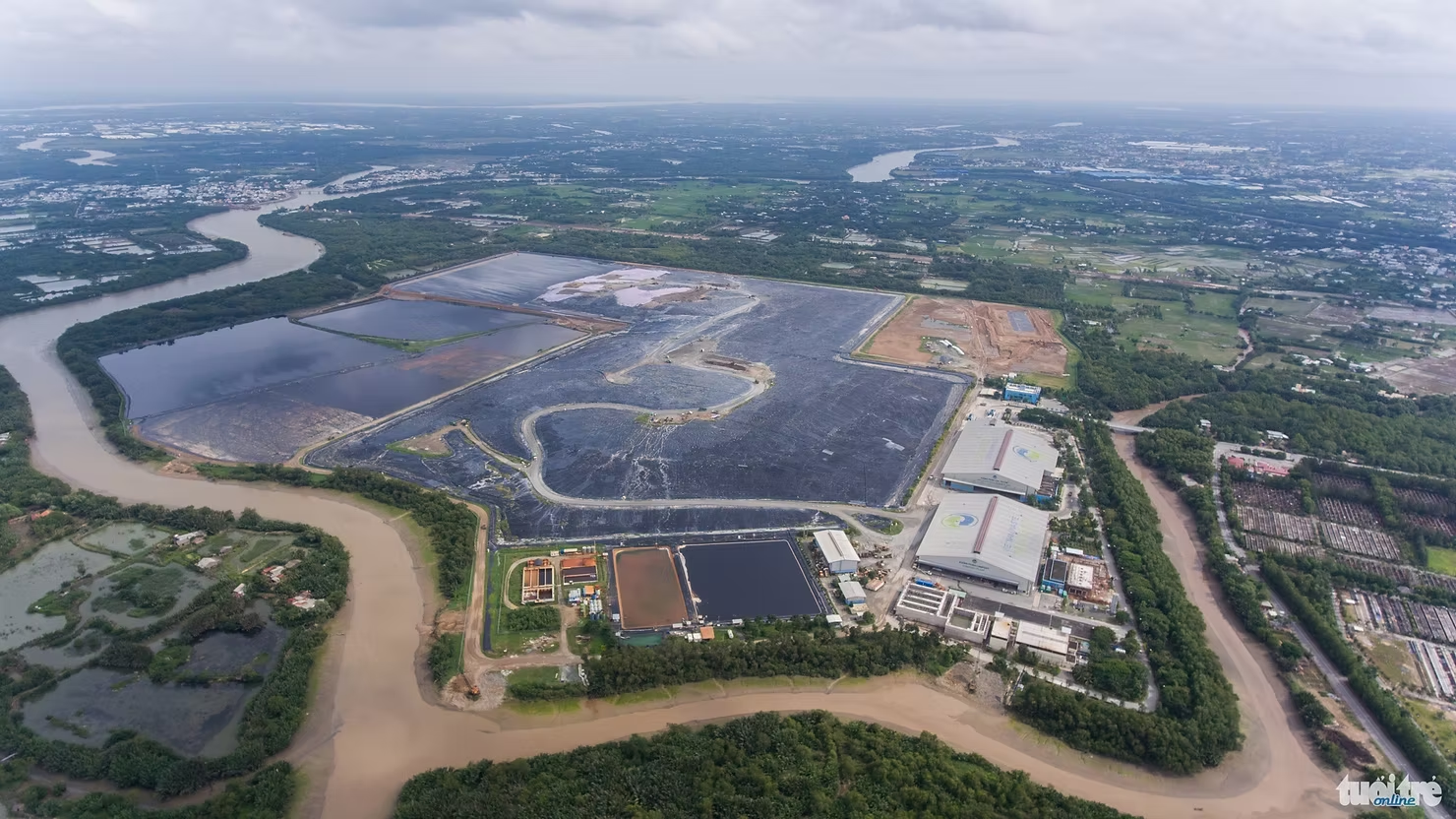
Duong’s gratitude eventually led him back to Vietnam. Through Vietnam Waste Solutions, he helped bring modern waste management systems to Ho Chi Minh City. “At Vietnam Waste Solutions, our system can handle more than 7,500 tons of waste per day,” he says. “We built facilities that protect the environment, improve public health, and increase economic development.” The Da Phuoc project marked a turning point for Ho Chi Minh City, introducing waste-management standards that aligned with international best practices at a time when Vietnam was undergoing rapid urbanization.
To Duong, the work is about more than business. “Success is not about how much money you make,” he insists. “It’s about how much benefit you bring to the community.” That belief shaped both companies across two continents: serve people first, and progress will follow.
Why The King of Trash Connects With Audiences
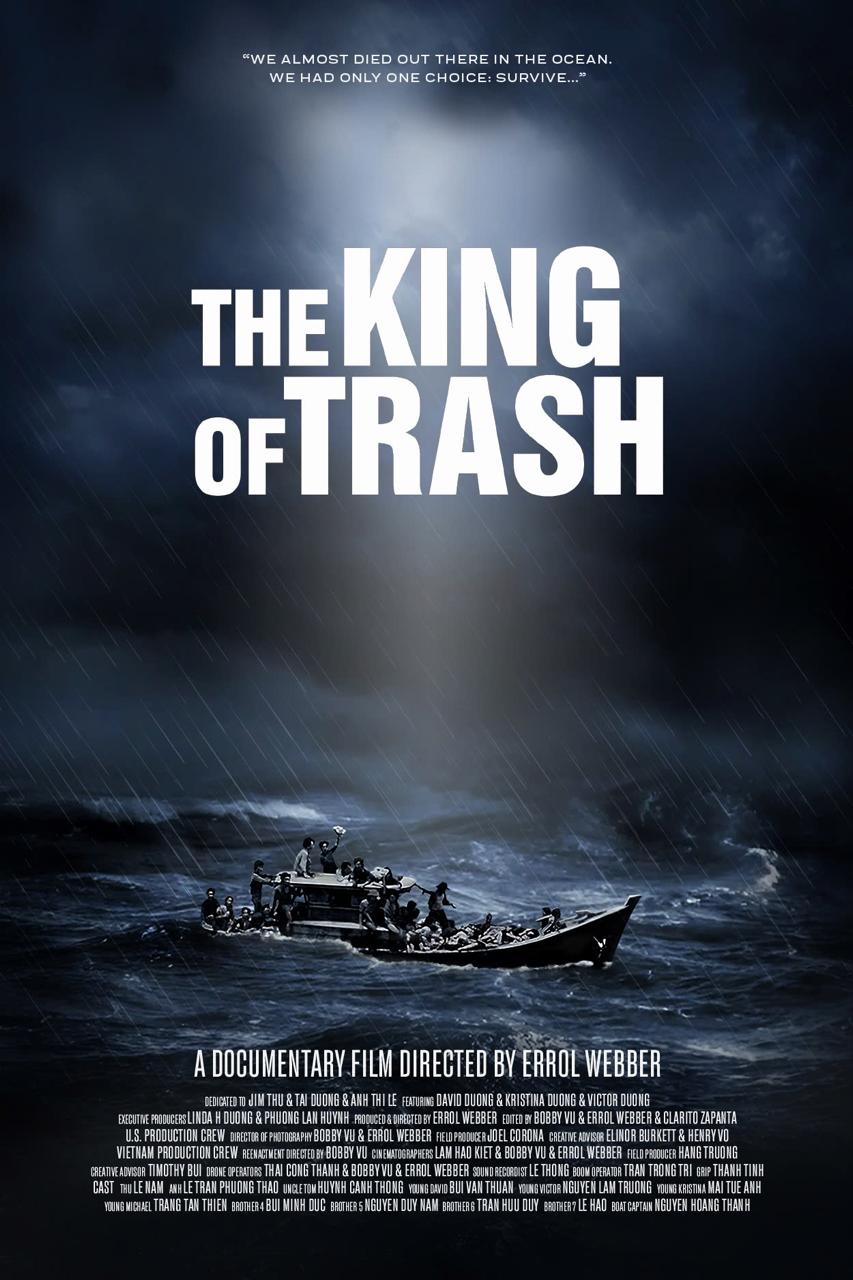
The documentary feels powerful because it is real. It depicts a family escaping war, rebuilding in America, and creating environmental progress across two countries. “The film preserves my father’s legacy and the truth of what our family went through,” Duong confirms. “It shows how we found treasure in garbage bags and turned that into an opportunity for thousands.” Director Errol Webber uses these scenes not just as biography, but as a lens on the broader themes of displacement, perseverance, and civic responsibility.
It’s the kind of story people gravitate to and share because it inspires hope. Early audiences have responded to the film’s emotional honesty, calling it both a historical document and a reminder to the modern world of how immigrant families helped shape America’s infrastructure and culture.
A Legacy for the Next Generation
Duong hopes the film will guide young people, especially those from immigrant families: “I want them to know they are not alone. If you stay united, work hard, and hold on to your values, you can build something that lasts.” For Duong, lasting impact means more than business growth; it means ensuring that future generations understand where the family began and why their story matters.
Today, Duong is preparing the next generation to lead California Waste Solutions and Vietnam Waste Solutions. Like any impactful documentary, The King of Trash captures why that matters. It preserves a legacy built through hardship and hope, reminding viewers that the strongest environmental solutions often begin with human stories that refuse to be forgotten.