Fire protection becomes more important than ever when winter arrives, because homes rely heavily on heaters, fireplaces, and closed spaces. During colder months, people spend more time indoors, which increases the risk of smoke and carbon monoxide buildup. Therefore, understanding winter safety is not just helpful, but necessary for every household.
Because cold weather pushes heating systems to work harder, small mistakes can turn into serious dangers. For example, blocked vents or poorly maintained heaters can create harmful gases. As a result, winter safety planning should always begin with awareness and preparation.
Fire protection starts with understanding winter risks
Winter brings unique safety challenges, and fire protection begins by knowing where risks come from. Space heaters, for instance, cause thousands of home fires each year. According to the U.S. Fire Administration, heating equipment remains one of the leading causes of winter house fires. Therefore, careful placement and supervision of heaters matter greatly.
Additionally, fireplaces add warmth and comfort, yet they can release smoke or sparks if not cleaned properly. Chimneys need regular inspection because soot buildup can ignite. Because these risks increase quietly, early detection tools play a major role in keeping families safe.
For trusted fire safety education, organizations like the National Fire Protection Association provide clear and simple guidance that homeowners can follow easily.
Fire protection through correct installation and placement

Proper setup strengthens fire protection at home, because even the best detector cannot work if placed incorrectly. Smoke and carbon monoxide detectors should be installed on every level of the home, especially near bedrooms. This placement ensures that alerts can wake sleeping family members quickly.
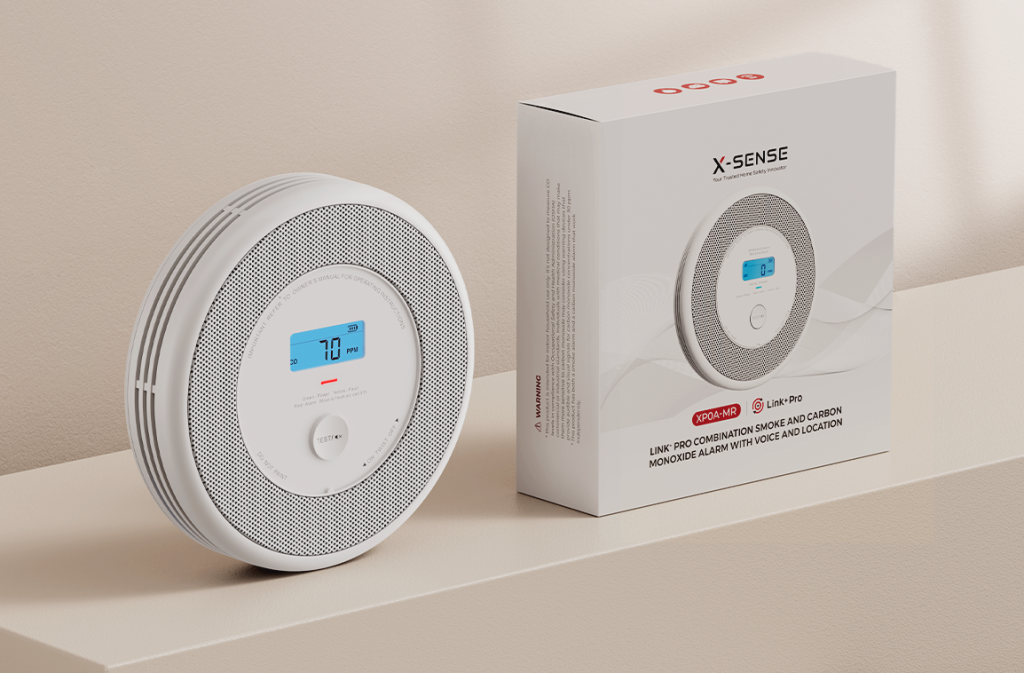
The X-Sense XP0A-MR WiFi smoke and carbon monoxide detector supports easy installation, which helps homeowners avoid common mistakes. Because it connects to WiFi, testing and monitoring become simpler over time. Consequently, families gain peace of mind without needing advanced technical skills.
Also, detectors should stay away from kitchens or bathrooms to prevent false alarms. When alarms sound too often without danger, people may ignore them. Therefore, correct placement keeps alerts meaningful and effective.
Fire protection habits that support technology
Although technology helps greatly, daily habits still support strong fire protection. For example, keeping flammable items away from heaters reduces the chance of accidental fires. Similarly, turning off portable heaters before sleeping lowers overnight risks.
Another important habit involves regular testing. Smoke and carbon monoxide detectors should be tested monthly, especially during winter. Batteries must remain fresh because cold temperatures can drain them faster. Because smart detectors send alerts when batteries run low, maintenance becomes easier and more reliable.
Fire protection benefits for families and children
Strong fire protection matters even more for families with children. Young kids may not recognize danger signs like smoke or dizziness from carbon monoxide. Therefore, early warnings give parents time to act before harm occurs.
The X-Sense XP0A-MR WiFi smoke and carbon monoxide detector supports families by delivering loud alarms and remote notifications. As a result, caregivers can respond quickly whether they are home or away. Clear alerts reduce confusion and help families practice safe evacuation plans.
Teaching children simple safety rules also helps. When kids understand alarms and exits, they react faster during emergencies. Because learning safety early builds confidence, winter becomes less stressful for everyone.
FAQs
What makes fire protection more important during winter months?
Winter increases indoor heating use, which raises the risk of fires and carbon monoxide leaks. Therefore, extra precautions become necessary.
How does a WiFi detector improve home safety?
WiFi detectors send alerts to your phone, so you receive warnings even when you are not at home. This feature allows faster responses.
Where should smoke and carbon monoxide detectors be installed?
Detectors should be placed on every level of the home and near sleeping areas. Proper placement ensures alarms are heard quickly.
How often should detectors be tested in winter?
Monthly testing works best, especially during winter, because heating systems operate more frequently and increase risk.
Can children understand and respond to alarms?
Yes, when parents explain alarms and practice exit plans, children learn to respond calmly and safely.
Conclusion
Winter safety requires attention, planning, and reliable tools. Fire protection combines smart habits with modern technology to reduce hidden dangers in colder months. By understanding winter risks, installing reliable detectors, and maintaining daily safety routines, families can enjoy warmth without worry.
The X-Sense XP0A-MR WiFi smoke and carbon monoxide detector supports this approach by offering early warnings and remote alerts. Because prevention works best when it starts early, preparing your home today creates a safer winter tomorrow.