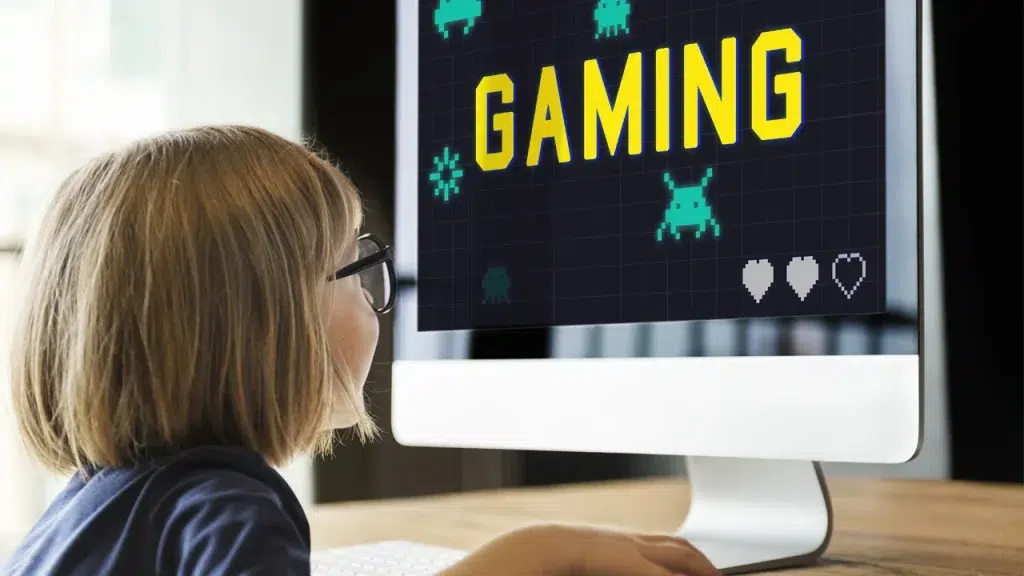
As more children gain access to digital devices, online gaming is becoming a regular part of their lives. While it offers entertainment and learning opportunities, it also introduces potential risks if not carefully guided by parents or educators.
Introducing children to online gaming doesn’t have to be risky. With the proper preparation, supervision, and selection of age-appropriate content, kids can enjoy the benefits of gaming while staying safe.
Why Online Gaming Appeals to Children
Online games are designed to be fun, fast, and engaging. They often feature bright visuals, interactive challenges, and a reward system that appeals to a child’s curiosity and sense of achievement. Many browser-based games are easy to start and require no downloads or complex setup, making them an instant favorite for kids and a convenient option for parents.
That said, not all games are created with young audiences in mind. Some include inappropriate ads, unmoderated chats, or advanced gameplay that’s not suitable for younger children. This is where adult guidance becomes essential.
How to Choose Safe Kids Games
The first step is to look for platforms that offer clearly categorized, age-appropriate content. Choose websites that avoid in-game purchases, pop-up ads, and unfiltered social features. Parents should test games before their children play them, or better yet, play together during the first few sessions.
A great approach is to begin with curated collections of kids games on Rocket Games that are simple, non-violent, and encourage logic, creativity, or coordination. These types of games support skill development while keeping the experience enjoyable and safe.
Supervision and Parental Involvement
Children are more likely to build healthy gaming habits when adults are involved in their playtime. Setting clear time limits, using browser-based parental controls, and maintaining open conversations about what they’re playing can foster trust and responsible behavior.
Parents can also use browser safety tools or family monitoring apps that restrict access to non-approved websites. Additionally, keeping computers or tablets in shared spaces allows for natural supervision without feeling intrusive.
Understanding Educational Potential
Not all gaming is just play. Many online games are designed to promote problem-solving, memory retention, and even teamwork. Titles that involve puzzles, strategy, and exploration can support learning in a fun and low-pressure environment.
In fact, some teachers have started integrating browser games into their lesson plans to reinforce lessons or offer students a creative break between activities. When chosen wisely, games can be an extension of a child’s learning toolkit.
One great example is RoomRecess, a free educational game site designed by a teacher, which offers language, math, and logic games suitable for classroom and home use. It illustrates how browser-based games can effectively combine fun and academics.
Setting Boundaries and Digital Balance
One of the biggest challenges is ensuring that children don’t develop excessive screen habits. It’s important to balance online play with offline activities, such as reading, outdoor play, and social interaction.
Experts recommend treating screen time like any other daily activity: scheduled, purposeful, and time-limited. A guide from the American Academy of Pediatrics suggests that consistency and structure are key to managing screen use effectively.
Final Thoughts
Introducing children to online gaming can be a positive experience when done thoughtfully. With adult involvement, smart content selection, and balanced screen time, kids can enjoy browser-based gaming in a way that’s fun, educational, and secure.
By starting with trusted sources of kids’ games and staying engaged in the process, parents and educators can help children develop both critical thinking and digital responsibility from an early age.