Luxury entertainment is no longer defined exclusively by expensive restaurants, exclusive clubs, or elaborate events. Traditional games have also become part of sophisticated social gatherings, combining entertainment, craftsmanship, and personal interaction.
From mahjong sessions in private clubs to backgammon at luxury resorts, familiar pastimes have developed new associations with refined leisure. Their appeal extends beyond attractive equipment and exclusive settings, offering opportunities for conversation, friendly competition, and shared experiences.
Mahjong and the Return of Private Gaming Salons
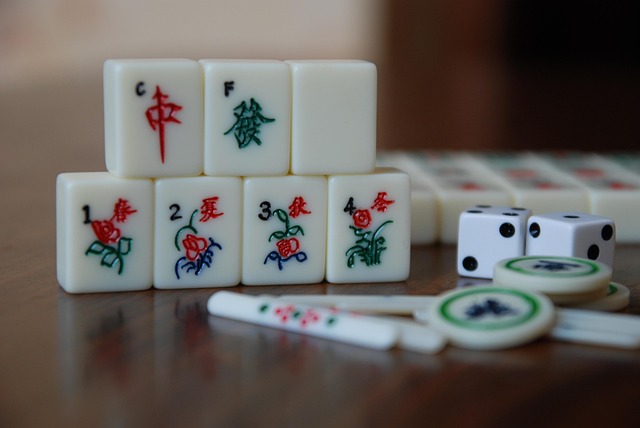
Mahjong has travelled far beyond its nineteenth-century Chinese origins. Today, the traditional tile game has found a place in private clubs, luxury residences, and organized social gatherings.
Part of its appeal comes from the balance between strategy and interaction. Players recognize patterns, make decisions, and respond to changing tile arrangements while enjoying conversations throughout each session.
Private mahjong gatherings often emphasize the overall experience rather than competition alone. Comfortable seating, carefully arranged tables, and coordinated playing sets create an inviting environment. Some clubs also offer introductory sessions that help newcomers understand the rules.
Decorative mahjong sets have further strengthened the game’s connection to luxury entertainment. Distinctive colors, detailed illustrations, and crafted storage cases transform traditional equipment into attractive accessories.
Despite these changes in presentation, mahjong retains its familiar appeal. Its combination of strategy, tradition, and social interaction makes it suitable for casual gatherings and elaborate occasions alike.
Backgammon’s Rise Among the International Jet Set
Backgammon became fashionable among wealthy international travellers long before today’s designer game collections. The game gained popularity in fashionable clubs and international resorts, where guests valued social interaction.
Its simple setup makes it suitable for these environments. A board, checkers, and dice provide everything needed for two participants, while spectators can follow the action and join conversations around the table.
As backgammon became established in exclusive leisure destinations, organized tournaments and private gatherings helped strengthen its reputation. The game became associated with elegant surroundings without losing its accessibility.
Its combination of chance and strategy also contributes to its lasting appeal. Dice determine the available moves, but players decide how to position their checkers and respond to opponents. This balance keeps matches engaging without requiring complicated equipment.
Today, wooden boards, leather finishes, and carefully designed pieces complement sophisticated interiors. However, the experience still depends on familiar elements: strategic decisions, friendly competition, and personal interaction.
Board Games Become Designer Entertainment Pieces
Board games have undergone their own transformation. Familiar titles now appear alongside decorative objects in carefully furnished homes, where the game’s appearance can matter almost as much as playing it.
This development reflects an appreciation for the physical elements of traditional games. Wooden boards, illustrated cards, polished pieces, and carefully designed packaging can make a collection visually appealing even when nobody is playing.
Some contemporary games emphasize presentation through colorful tiles, geometric patterns, and nature-inspired components. These details create attractive arrangements during play, allowing the equipment to become part of the surrounding decor.
Luxury editions often incorporate materials and finishes associated with fine craftsmanship, including:
- Wooden boards with polished finishes that complement interior furnishings.
- Playing pieces made from durable materials such as metal, stone, or wood.
- Customized storage boxes that protect components while serving as decorative accessories.
- Coordinated designs that create a consistent visual style throughout the collection.
These details make familiar games feel more distinctive without changing their fundamental rules. Hosts can also arrange themed evenings around board games, encouraging guests to participate in a shared activity.
The result combines practical design with social entertainment. A thoughtfully presented board game becomes both a functional pastime and an attractive feature of a gathering.
Baccarat and the Tradition of Exclusive Casino Salons
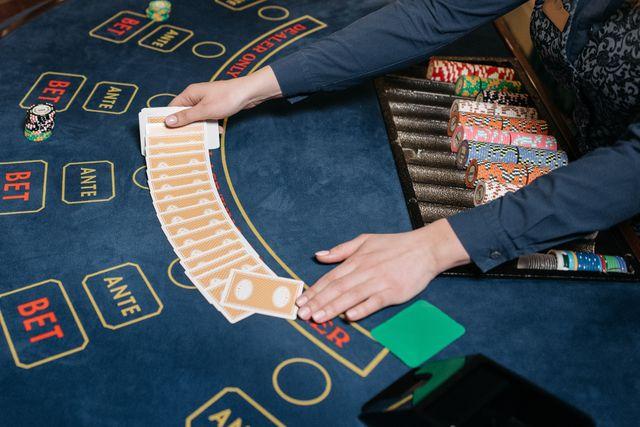
Baccarat has long been associated with luxury entertainment, particularly in European casinos where private gaming rooms, elegant interiors, and attentive service helped shape its reputation. Over time, these settings established the game as a familiar part of sophisticated leisure experiences around the world.
The game’s basic structure is straightforward. Players select Banker, Player, or Tie, while established dealing rules determine how cards are drawn. Unlike games involving repeated decisions during a hand, baccarat generally requires little intervention after the initial selection.
Digital platforms have also expanded access to traditional casino games, allowing players to explore familiar formats beyond physical establishments. Options such as FanDuel baccarat bring the classic card game to online environments while preserving its recognizable rules and gameplay. This development shows how traditional forms of entertainment can reach new audiences without losing their established characteristics.
Outdoor Games Find a Place at Luxury Gatherings
Luxury leisure does not always involve formal interiors or exclusive membership. Traditional outdoor activities have also become features of carefully planned gatherings at private residences, gardens, and countryside retreats.
Lawn games work particularly well for these occasions because they encourage participation without extensive preparation. Their accessible rules allow guests with different experience levels to enjoy activities together.
Bocce, for example, combines accuracy with strategic positioning as participants roll balls toward a smaller target. Its measured pace encourages conversation between turns, making it suitable for relaxed gatherings.
Other familiar activities offer different experiences:
- Cornhole: Players toss fabric bags toward raised boards during informal group activities.
- Kubb: A Scandinavian game combining wooden blocks, throwing accuracy, and strategy.
- Giant Jenga: Oversized wooden blocks create an interactive activity for groups.
- Connect Four: Larger versions bring familiar strategic entertainment into outdoor settings.
Presentation helps these activities complement elegant surroundings. Wooden equipment, coordinated accessories, and designated playing areas create an organized experience without changing the games themselves.
Whether arranged beside a swimming pool or across a landscaped garden, outdoor games encourage natural interaction. Their appeal comes from combining familiar entertainment with thoughtfully planned environments.
The Lasting Appeal of Classic Entertainment
Classic games have secured a place in luxury entertainment by combining longstanding traditions with changing social preferences. From private mahjong gatherings to decorative board game collections, familiar activities now contribute to experiences emphasizing craftsmanship, atmosphere, and personal interaction.
Their appeal also extends beyond exclusive venues and expensive equipment. Traditional games remain accessible ways to encourage conversation, friendly competition, and shared participation. Although their presentation continues to evolve, the social connections they create remain central to their popularity.