

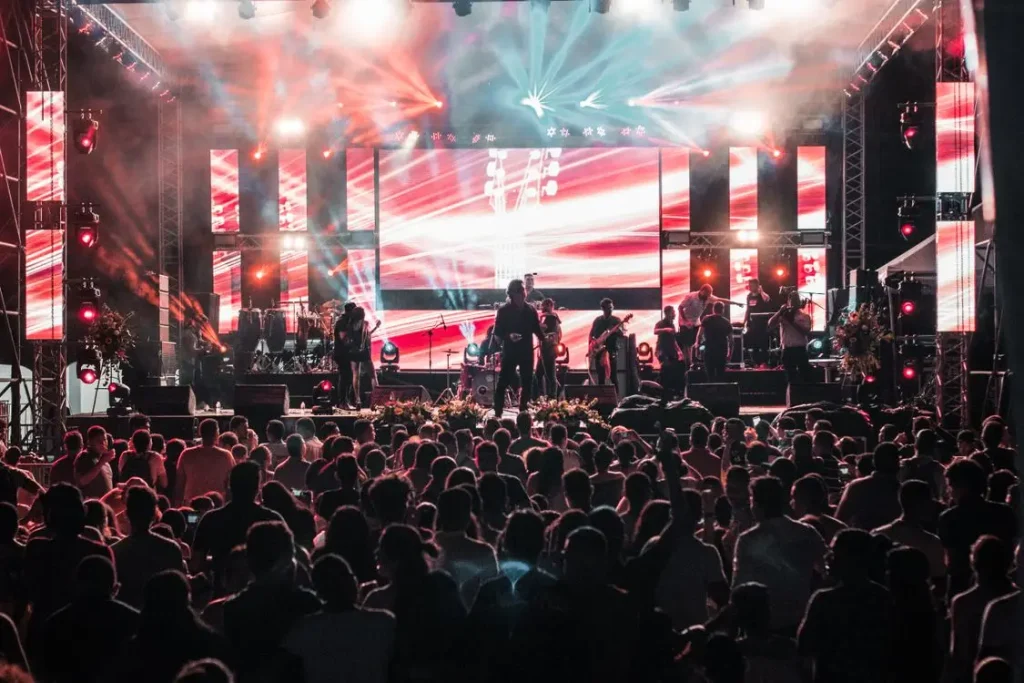
Fans see the stage. What they don’t see is everything propping it up: the medical tent behind the food stalls, the safety protocols in the production office, and the utility bills quietly deciding whether a beloved venue survives another year. As grassroots venues keep closing and festival margins keep shrinking, it’s worth looking at the unglamorous machinery that keeps live music alive.
The Medical Tent Is More Sophisticated Than You Think
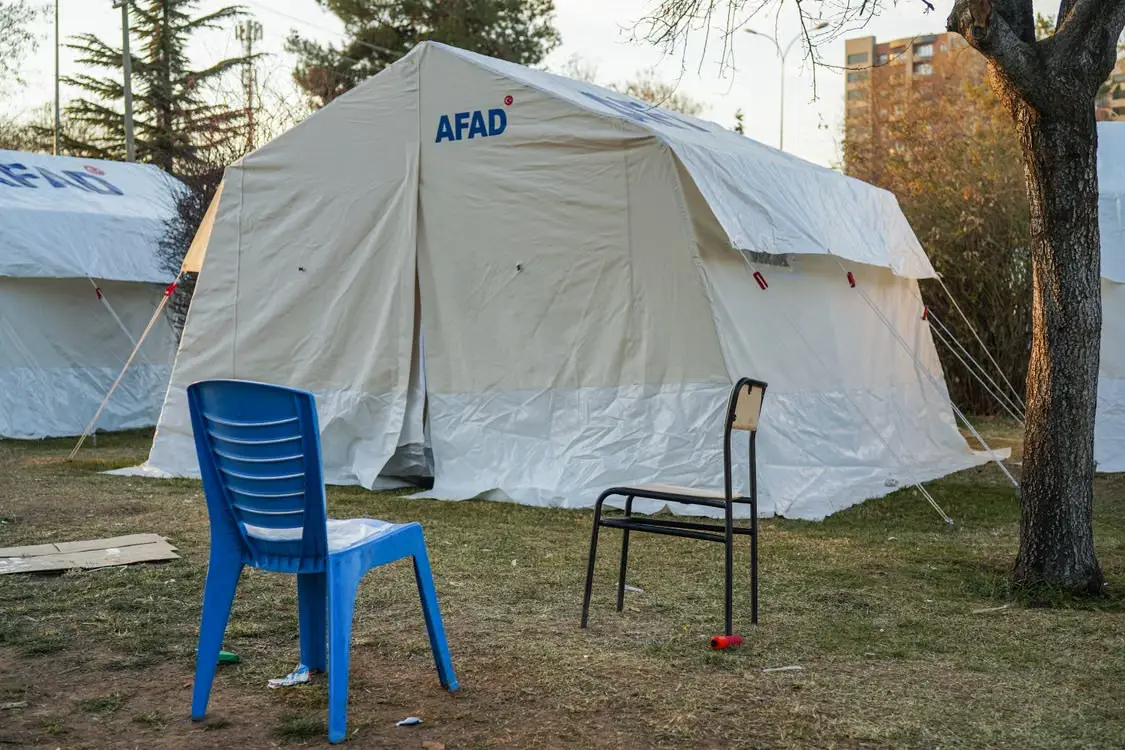
Any festival above a certain capacity is effectively running a pop-up clinic. Dehydration, sprained ankles, panic attacks, and the occasional mosh pit casualty all flow through a medical operation that has to function like a small A&E department, often in a muddy field with patchy signal.
That operation has been quietly professionalising. Specialist event medicine companies now dominate the space. ParaDocs Worldwide, which has staffed festivals like Governors Ball and Electric Zoo and counts Live Nation, AEG, and Rolling Loud among its clients, describes its work as building “hospital-grade infrastructure in temporary environments,” complete with a medical command function coordinating care across a site. CrowdRx, which has covered everything from Coachella to Bonnaroo, runs what amount to full field hospitals so that local emergency departments aren’t flooded every festival weekend.
Running hospital-grade care in a field creates a hospital-grade data problem. Every patient encounter needs to be charted, tracked, and handed over cleanly between shifts, ambulance crews, and receiving hospitals, and paper forms simply can’t keep up with a two-thousand-patient festival weekend. This is where the software layer comes in. Companies operating at this level are moving onto the same class of clinical systems as modern healthcare practices, and the tools best suited to the job aren’t lumbering hospital platforms but a newer generation of flexible, developer-friendly EHR systems like Canvas Medical, designed for fast-moving care settings that don’t look like a traditional clinic. The practical payoff is that a medic treating a heatstroke case at 11pm can chart it properly, hand the case over cleanly, and send accurate records along with an ambulance crew.
Of course none of this is happening purely out of goodwill. Regulation and liability are doing much of the pushing. In the UK for example, licensing authorities expect event organisers to follow the Purple Guide’s standards for medical provision, and a documented medical plan is increasingly a condition of getting an event licensed at all. In the US, patient privacy law means medical records created in a festival field carry the same legal weight and confidentiality requirements as records created in a clinic, which makes secure digital systems a compliance necessity rather than a luxury. Add insurers demanding better documentation after high-profile crowd disasters put event safety under a microscope, and the message to organisers is clear: if you can’t prove the care you provided, you carry the risk.
Harm Reduction Has Grown Up

The live music industry has slowly shifted from pretending drug use doesn’t happen to managing the reality of it. Drug-checking services at festivals, once controversial, have been credited with reducing hospitalisations. Welfare tents are now standard at major events. And behind the scenes, venues and event companies have their own testing considerations, from workplace screening for safety-critical crew (nobody wants an impaired rigger forty feet above a crowd) to harm reduction supplies.
Suppliers like 12 Panel Now serve exactly this corner of the industry, providing bulk drug testing kits and fentanyl test strips of the kind that welfare organisations and event operators rely on. With fentanyl contamination now appearing in drug supplies on both sides of the Atlantic, cheap and widely available test strips have become one of the most practical life-saving tools an event can stock. It’s not a subject the industry loves to discuss on the record, but the venues taking it seriously are the ones keeping their audiences safest.
The Bills Nobody Writes Songs About
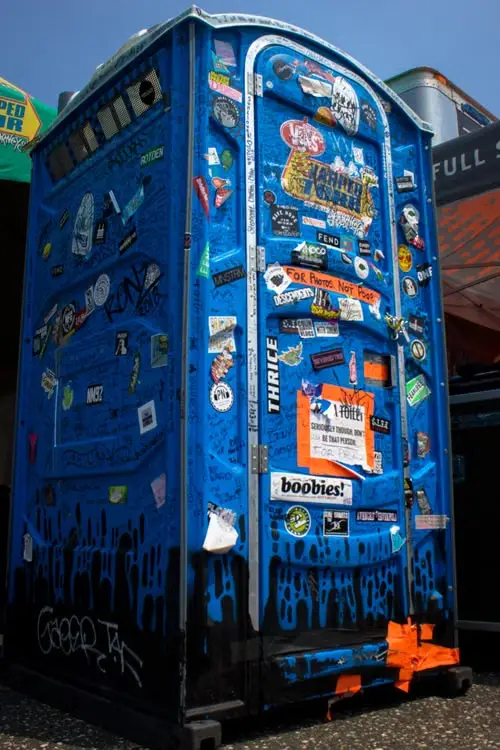
Here’s the least rock’n’roll threat to live music: overheads. The Music Venue Trust has repeatedly warned that grassroots venues operate on wafer-thin margins, with energy and utility costs among the biggest culprits in recent closures. A 300-capacity room doesn’t just pay for electricity to run the PA. There’s water for the bars, toilets, and cellar cooling, plus commercial rates that bear little resemblance to a household bill.
Of course the market is trying to accommodate for this. Utility services have grown massively in the last few decades in order to take the edge of. For example, in England and Scotland business can switch water suppliers and negotiate their rates. Brokers such as Utility Bidder offer a business water comparison service that can shave a meaningful percentage off annual costs. For a venue where the difference between surviving and closing might be a few thousand pounds a year, “meaningful percentage” is not an abstraction. The same logic applies across energy, waste, and insurance: an afternoon spent renegotiating contracts can be worth more than a month of sold-out Tuesdays.
Why This Matters for Artists and Fans
It’s tempting to file all this under “someone else’s problem”. It isn’t. Every venue that closes is a rung removed from the ladder that took your favourite headliner from open mics to arenas. Every festival that cuts its welfare budget is a worse night out waiting to happen.
The healthiest live music ecosystems are the ones that treat the boring stuff (medical provision, harm reduction, utility contracts) as seriously as the booking policy. If you run a venue, audit your overheads and your safety provision this quarter, not next year. If you’re an artist, ask your promoters what welfare provision looks like before you play. And if you’re a fan, support the rooms doing it properly.
The stage lights only stay on because someone paid the water bill.















