

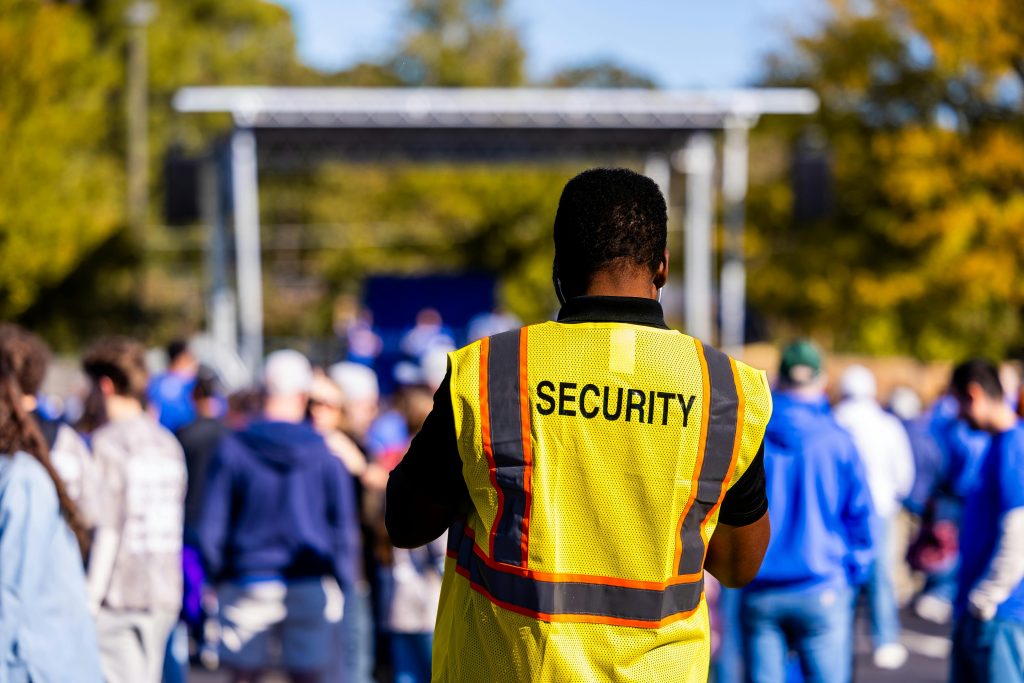
Festival season brings energy, music, and massive crowds together—but behind the excitement lies a growing concern around safety. From crowd surges and equipment failures to slips, falls, and transportation incidents, large-scale events carry real risks. As injury claims related to festivals increase, they are reshaping how organizers, venues, and stakeholders approach safety planning and accountability.
These events are no longer simple gatherings—they are complex ecosystems requiring careful coordination, infrastructure planning, and risk management. As expectations grow, both attendees and regulators are demanding safer, more transparent environments.
The Rising Risk at Live Events
Music festivals today are larger and more complex than ever before. With thousands of attendees in confined spaces, even small oversights in planning can escalate into serious incidents. Overcrowding, poor crowd control, and inadequate emergency planning remain key risk factors.
Environmental conditions also play a role. Weather, terrain, and temporary setups can create unpredictable hazards, making it essential for organizers to adopt proactive safety strategies rather than reactive fixes.
“Large-scale events introduce a wide range of medical and logistical challenges that can escalate quickly without proper planning,” says Sharon Amos, Director at Air Ambulance 1. “Rapid response capabilities and clear emergency coordination are critical to ensuring that when incidents occur, help reaches patients without delay.”
How Technology Is Improving Crowd Safety
Technology is playing a central role in improving festival safety. Tools such as crowd density monitoring, real-time alerts, and predictive systems allow organizers to identify and address risks before they escalate.
“Modern event infrastructure is becoming increasingly data-driven,” explains Jason Chen, Technical Director at JarnisTech. “With the right systems in place, organizers can monitor crowd density, detect bottlenecks, and respond to safety concerns in real time. This kind of visibility is essential for preventing incidents rather than reacting to them.”
These tools also enhance communication between teams, helping staff coordinate responses quickly and ensuring attendees are guided safely throughout the event.
The Business Impact of Injury Claims
Injury claims carry serious financial and reputational consequences for event organizers. Beyond legal costs, incidents can affect future ticket sales, sponsorships, and long-term brand perception.
“From a business perspective, safety is no longer optional—it’s a competitive advantage,” says Stephen J. Bardol, Esq, Managing Attorney of Bardol Law Firm. “Events that prioritize safety build trust with their audiences, while those that fail to do so risk losing credibility and long-term growth opportunities.”
This has led to increased investment in safety infrastructure, training, and risk management across the industry.
Consumer Expectations Are Changing
Festival attendees today are more aware of their rights and expectations. Safety is no longer seen as a bonus—it is a baseline requirement.
“Consumers are becoming more conscious of accountability,” notes Steven M Sweat Personal Injury Lawyers APC “When something goes wrong, people expect transparency and meaningful action—not just statements. That shift is influencing how events are designed and managed.”
This shift is pushing organizers to adopt higher standards and be more transparent about their safety measures.
Legal Accountability and Industry Standards
Legal claims are playing a major role in shaping safety standards across festivals. When incidents occur, they often reveal deeper issues in planning and execution that need to be addressed.
“One of the biggest shifts we’re seeing is that people are no longer accepting festival injuries as unavoidable,” says Jarrett Blakeley, CEO of Blakeley Car Accident & Personal Injury Lawyers. “As personal injury lawyers serving Fort Lauderdale, we’ve seen how incidents at large events often stem from preventable issues like poor crowd control, inadequate planning, or lack of oversight. When individuals seek legal help after an Uber accident in Fort Lauderdale or similar incidents tied to event travel and logistics, it highlights how interconnected these risks have become. These claims don’t just seek compensation—they force organizers to reevaluate their safety practices and implement meaningful changes.”
This growing accountability is pushing the industry toward stronger regulations and better safety frameworks.
The Role of Investigations in Preventing Future Incidents
Investigations are critical in identifying the root causes of accidents and ensuring they are not repeated. By analyzing incidents in detail, organizations can uncover systemic issues and implement targeted improvements.
“Every incident provides an opportunity to improve,” According to Northwest Arkansas personal injury lawyers at Horton, “Detailed investigations allow organizations to learn from failures and apply those lessons to future planning, significantly reducing the likelihood of repeat incidents.”
This process helps create more resilient and better-prepared event environments.
Litigation Driving Safer Event Design
Legal pressure is influencing how festivals are designed from the ground up. Organizers are increasingly prioritizing safety in layout planning, crowd flow management, and emergency access.
We’re seeing a shift toward designing events with safety as a foundational element rather than an afterthought. That shift is largely driven by lessons learned through litigation and injury claims.
This approach ensures that safety is embedded into the event experience rather than added later as a corrective measure.
The Role of Event Staff Training and Preparedness
Beyond infrastructure and design, the preparedness of event staff plays a critical role in preventing and managing incidents. Well-trained teams can identify risks early, respond quickly to emergencies, and guide attendees safely during high-pressure situations.
“Accountability at events extends beyond planning—it depends heavily on execution,” says Jeff Reed, Managing Director, Legal Track Software. “When staff is properly trained, and protocols are clearly defined, it significantly reduces the likelihood of preventable incidents and strengthens overall event safety.”
Investing in staff training ensures that safety measures are not only designed but also effectively implemented.
Transportation and Post-Event Safety Risks
Safety concerns don’t end when the music stops. Transportation before and after events presents additional risks, including traffic congestion, impaired driving, and rideshare-related incidents.
“Post-event logistics are just as important as on-site safety,” says Andrew Pike Piekalkiewicz, Attorney at Law at Texas Truck Accident Lawyer. “High traffic volumes, commercial vehicle movement, and impaired driving significantly increase accident risks. Coordinating transportation systems and ensuring safe exits is critical to reducing serious roadway incidents.”
Addressing these risks requires coordination between event organizers, local authorities, and transportation providers.
A Safer Future for Festival Experiences
As festivals continue to grow in scale and popularity, the importance of safety will only increase. Injury claims are no longer just legal matters—they are catalysts for industry-wide change.
By combining technology, accountability, and evolving expectations, the events industry is moving toward a future where safety is integrated into every stage of planning and execution. This shift benefits both attendees and organizers, creating experiences that are not only exciting but also responsibly managed.