
It is human nature to accept the comforts we have around us without much thought. You wake up, switch on the lights, make your morning coffee, charge your phone, and get on with your day. Electricity runs through almost every part of your routine, and you barely notice it is there until something goes wrong.
A full day without power is more disruptive than most people anticipate. Work stops. Food spoils, and your handy devices go dead. You lose heating or cooling. And if the issue runs deeper than a tripped switch, the consequences can be far worse than simple inconvenience. That is why electrical problems at home deserve prompt attention, not the “let’s see if it fixes itself” approach that most of us default to.
This article walks you through what those warning signs actually mean, which issues genuinely require urgent help, and what you can do to protect your home and the people in it.
What are the Most Dangerous Electrical Issues at Home?
Some electrical issues look harmless on the surface but carry a serious risk underneath. Here is a breakdown of the most common situations that go beyond a basic fix and require a professional intervention without delay:
- Sparking outlets: If you are seeing large, yellow or white sparks when plugging something in, that is not normal at all. While small, brief sparks can happen occasionally, anything that lasts more than a second, produces a burning smell, or is followed by smoke suggests a damaged outlet, moisture in the wiring, or an overloaded circuit. Any one of those can become an electrical fire hazard with very little warning.
- Outlets that feel warm or hot to the touch: A power point should never feel warm. If it does, there is likely a problem with the connections behind the wall or a fault in the wiring itself. Further, hot outlets combined with discolouration or a faint burning smell mean you should turn off the circuit immediately and avoid using that outlet until it has been professionally inspected.
- Frequent circuit breaker trips: Your breaker trips to protect you, so if it is doing so repeatedly, something is drawing more power than the circuit can safely handle. Faulty wiring, overloaded circuits, or deteriorating components are common causes.
- Buzzing or humming from walls or outlets: Appliances like fridges and dryers produce a low hum, which is normal. But if you are hearing a buzzing sound coming from a wall, a switch plate, or an outlet, that is a different matter. It often points to a loose connection, improper grounding, or wiring that is carrying more voltage than it is rated for.
- Water contact with electrical fittings: If water has reached any part of your electrical system, whether from a spill, a leak, or flooding, do not assume it will dry out and be fine. Water in wiring causes short circuits, generates heat, and significantly raises the risk of fire. This is one situation where waiting is not an option.
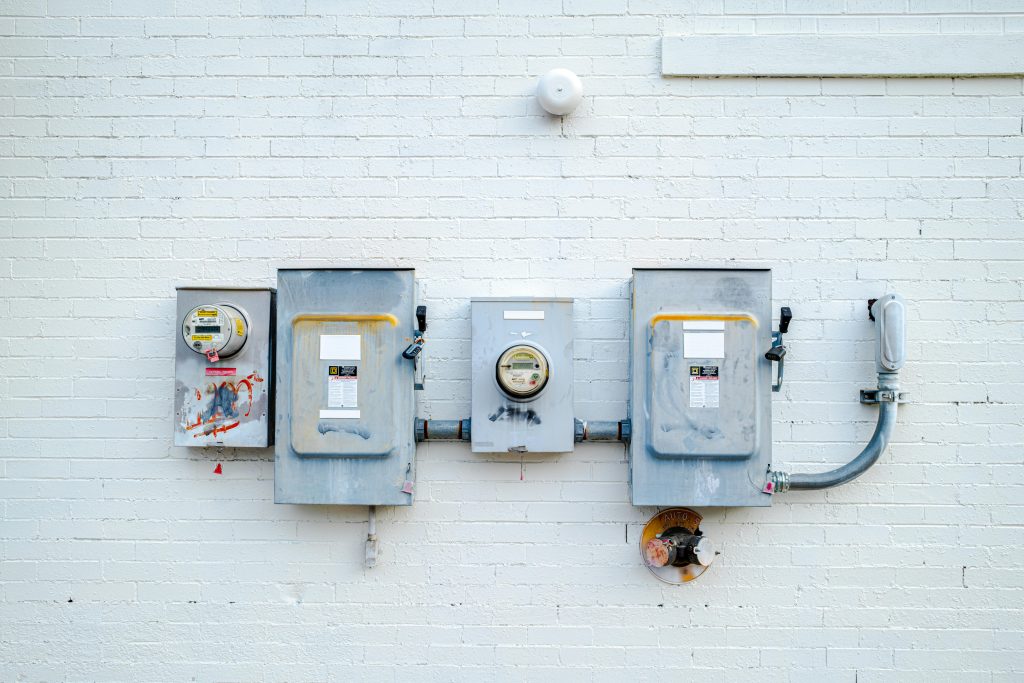
For issues involving your property’s main electrical supply or metering infrastructure, a level 2 electrician in Sydney is the appropriate professional to call. Unlike a standard local electrician near you, a Level 2 ASP is licensed to work on the parts of the electrical network that connect your property to the grid. They can address and fix complex faults that a general electrician is not permitted to touch.
How to Deal with Electrical Issues the Right Way
Before you wrap this up and move on with your day, here are a few habits that quietly reduce your risk over time.
- Schedule regular electrical maintenance: Older homes in particular can have wiring that has degraded over time, and problems can develop silently over the years. Routine inspections catch issues before they become emergencies.
- Know when to turn off the power: If you smell burning, see fumes or smoke, or notice sparking near any outlet or switch, turn off the relevant circuit at the breaker box immediately. If you are not sure which circuit it is, turn off the main (only if safe to access). Get everyone away from the affected area and call a professional.
- Do not attempt DIY repairs on anything beyond the basics: Australian electrical safety laws exist for good reason, and unlicensed electrical work creates liability and genuine physical risk.
- Find a local electrician you can rely on before you need one urgently: Say you live in the Williams area, then having the contact details of a trusted electrician near Williams saved in your phone means you are just a call away to find prompt help in the middle of a power crisis.
Electrical faults tend to get worse, not better, and the consequences of ignoring them are far more serious than the cost of getting them seen early. When you take the warning signs seriously early, get the right professional in, and keep up with maintenance, you significantly reduce the chance of facing something genuinely dangerous down the track.