


The details are an essential part of completing a renovation in a classic home or bringing a modish charm to a contemporary apartment. Speaking of details, a plaster coving provides the sophistication of an elegant frame to an interior design while concealing structural cracks. This blog looks into important elements that may impact the renovation project, from the beginning to the end of the project.
Distinguishing Between Plaster and Lightweight Alternatives
When you begin shopping, you will encounter various materials, including high-density polystyrene, plastic polymers, and traditional hand-cast plaster. Understand that while synthetic options are lighter, they lack the crisp, sharp lines and the heavy, solid feel of real gypsum. Plaster coving is a natural mineral product that breathes with your home and can be repaired easily if it gets bumped during a move.
Selecting a Style That Matches Your Home’s Era
If you live in a grand Victorian-style home, you might look for large, ornate patterns featuring flowers, grapes, or intricate designs. For a more understated or modern space, a minimalist geometric stepped design will provide a clean transition without overwhelming the room’s decor. Taking the time to study the history of your building helps you select a feature that feels like an original part of the structure.
Preparing the Wall and Ceiling Surfaces Correctly
Before you apply any adhesive, you must ensure that the surfaces where the coving will sit are clean, dry, and free from any loose paint or old wallpaper. If your walls are not perfectly straight, which is common in older homes, you may need to apply extra filler to bridge any small gaps behind the plaster. Proper preparation is the most important step for you to take to prevent the heavy lengths from sagging.
Mastering the Art of Cutting Internal Mitres
The most challenging part of any coving project is cutting the corners where two lengths meet. You will find that using a dedicated mitre box and a fine-toothed saw is essential for achieving a clean, professional-looking joint that disappears once it is painted. Plus, it is a good idea for you to practise your cuts on a few small offcuts first to ensure you understand how the profile sits in the box.
Using the Right Adhesive and Mechanical Fixings
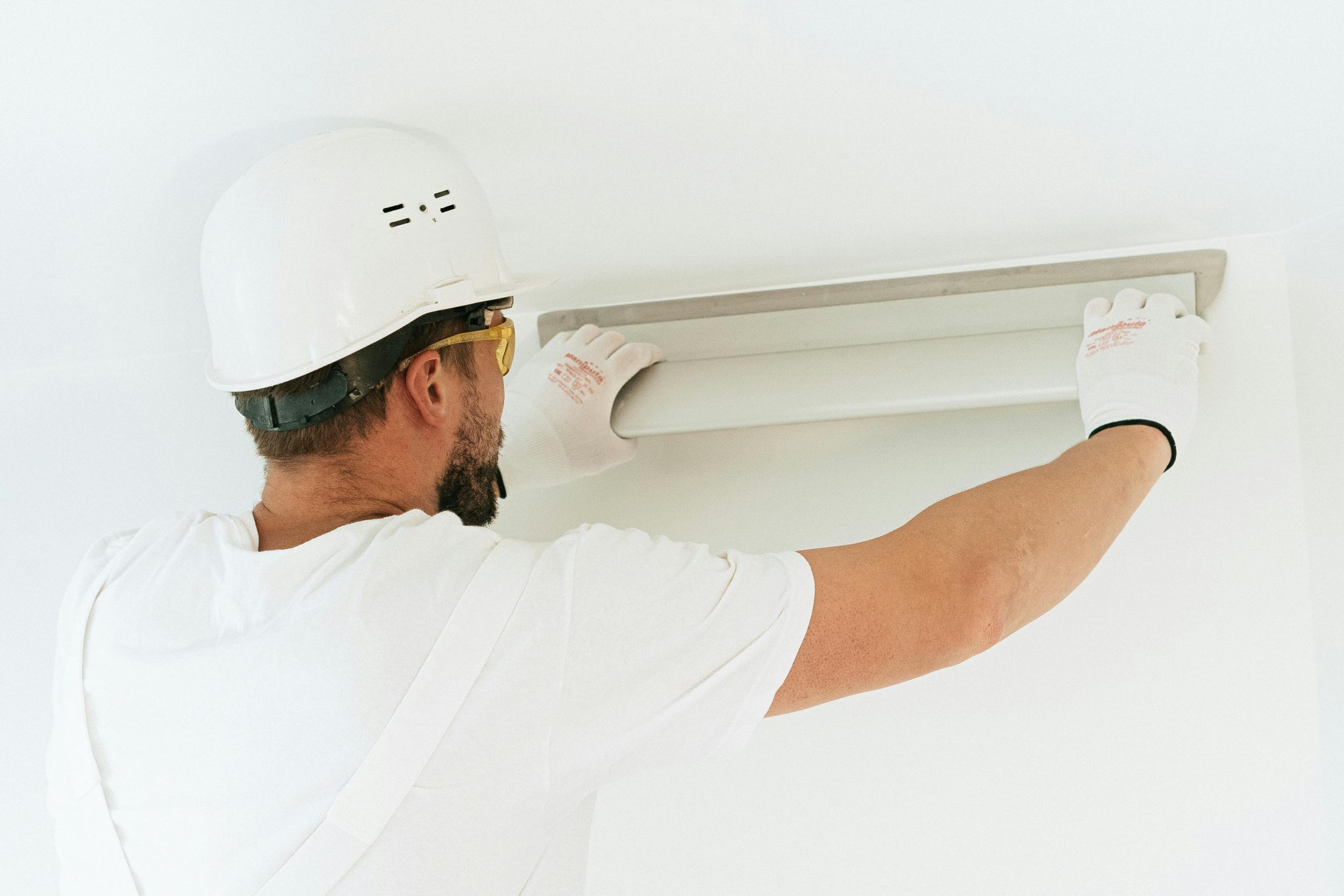
Because real plaster is heavy, you need to use a high-strength adhesive that is designed to grab the material quickly. You might find it helpful to drive a few small temporary nails or screws into the wall underneath the coving to act as a support shelf while the glue sets. Once the adhesive has hardened, you can remove these fixings and fill the small holes with a bit of fresh plaster for an invisible finish.
Finishing and Painting for a Seamless Look
Once the coving is in place, you will need to fill the long join lines at the top and bottom with a fine filler to make it look like part of the ceiling. Use a sponge to smooth out any excess filler before it dries, which saves you a big amount of dusty sanding work later on. When it comes time to paint, apply a mist coat of watered-down emulsion first to seal the thirsty plaster before applying your final decorative colours.
Considering Professional Installation for Complex Rooms
While a simple room can be a rewarding project, complex spaces with many corners may require the skills of a master plasterer. Consider the height of your ceilings and the weight of the specific profile you have chosen before deciding to tackle the job yourself with a ladder. A professional installer, like Plaster Coving Islington experts, has the experience to handle long lengths of plaster without snapping them.
Elevating Your Interior Design with Plaster
Installing plaster coving is a timeless way for you to add character, value, and a sense of history to your environment. By paying close attention to the style, preparation, and finishing touches, you can transform a space that reflects your personal taste. You deserve to live in a home that feels complete and well-crafted, and these architectural details are the perfect way to achieve that polished look.