
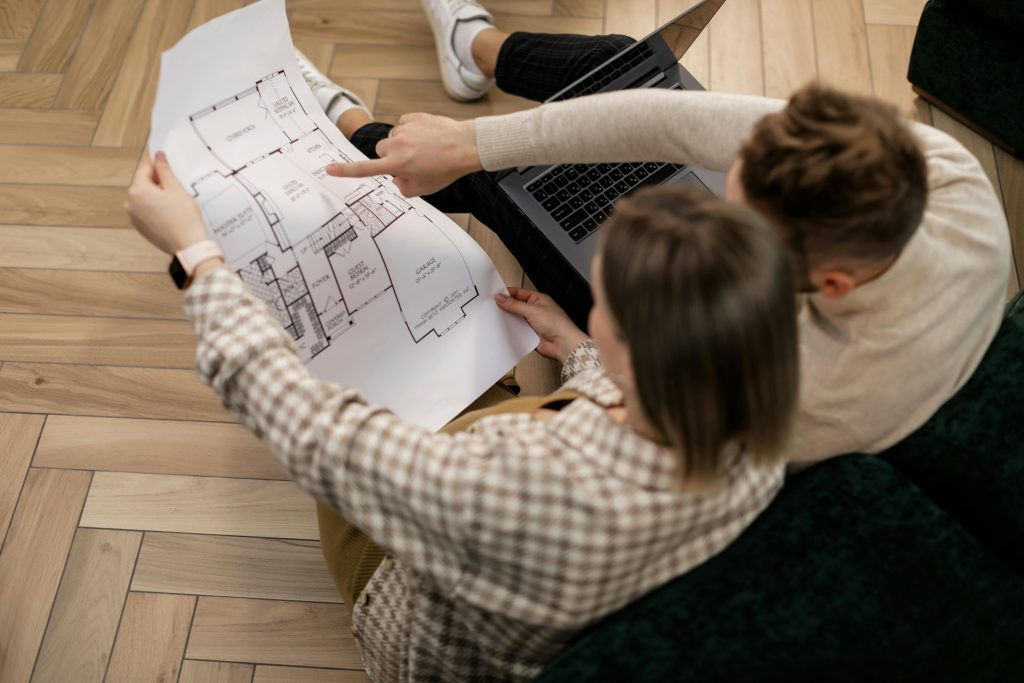
Planning your dream home is one of the most thrilling yet complicated processes you can undertake as a homeowner. In Australia, where the design style and climate change depending on the region, building a house that is both functional and aesthetically appealing requires a lot of planning from the very beginning.
From the selection of the right land to the final stages of interior design, everything is an integral part of the entire process. A well-designed house is not only visually appealing but also functional for your daily needs and personality.
Here is a step-by-step guide to help you achieve your dream house from the beginning to the end.
1. Start With the Right Location and Land
Your dream house starts from the right location. This is the beginning of a long journey that not only affects your daily needs but also the style and design of the house.
In the selection of the right land for your house, consider the following factors:
Proximity to work, schools, and other basic needs
Local council regulations
Land size, slope, and orientation
Future development in the area
The orientation of your land is of significant value, especially in Australia, as it can influence natural light, ventilation, and even efficiency. A north-facing home, for instance, can receive maximum natural light during the day, which is quite significant in terms of efficiency and comfort.
2. Understand Your Build Options
After acquiring land or in the process of acquiring it, the next step is understanding how you want to build your home.
Some people opt for house and land packages, which can be quite a straightforward approach. A house and land package is a combination of acquiring both a house and land at once. However, when acquiring a house and land package, it is important to understand location, layout, and even lifestyle. This is especially important for people who are acquiring their homes for the first time. However, it is also important to ensure it is something you want. A custom build, on the other hand, can also be an option.
3. Define Your Lifestyle Needs
Before diving into layouts and design details, it’s important to take a step back and consider how you actually live day to day. Your lifestyle should guide the decisions you make early in the planning process.
Think about questions such as:
- How many bedrooms and bathrooms will you realistically need?
- Will you be working from home regularly?
- Do you often host family or friends?
- Do you prefer open-plan living, or more defined and private spaces?
In many Australian homes particularly in coastal and suburban areas open-plan layouts are a popular choice, as they create a sense of space and allow for better flow between living areas. By aligning your design with your lifestyle, you can create a home that remains both functional and comfortable over time.
4. Focus on Layout and Flow
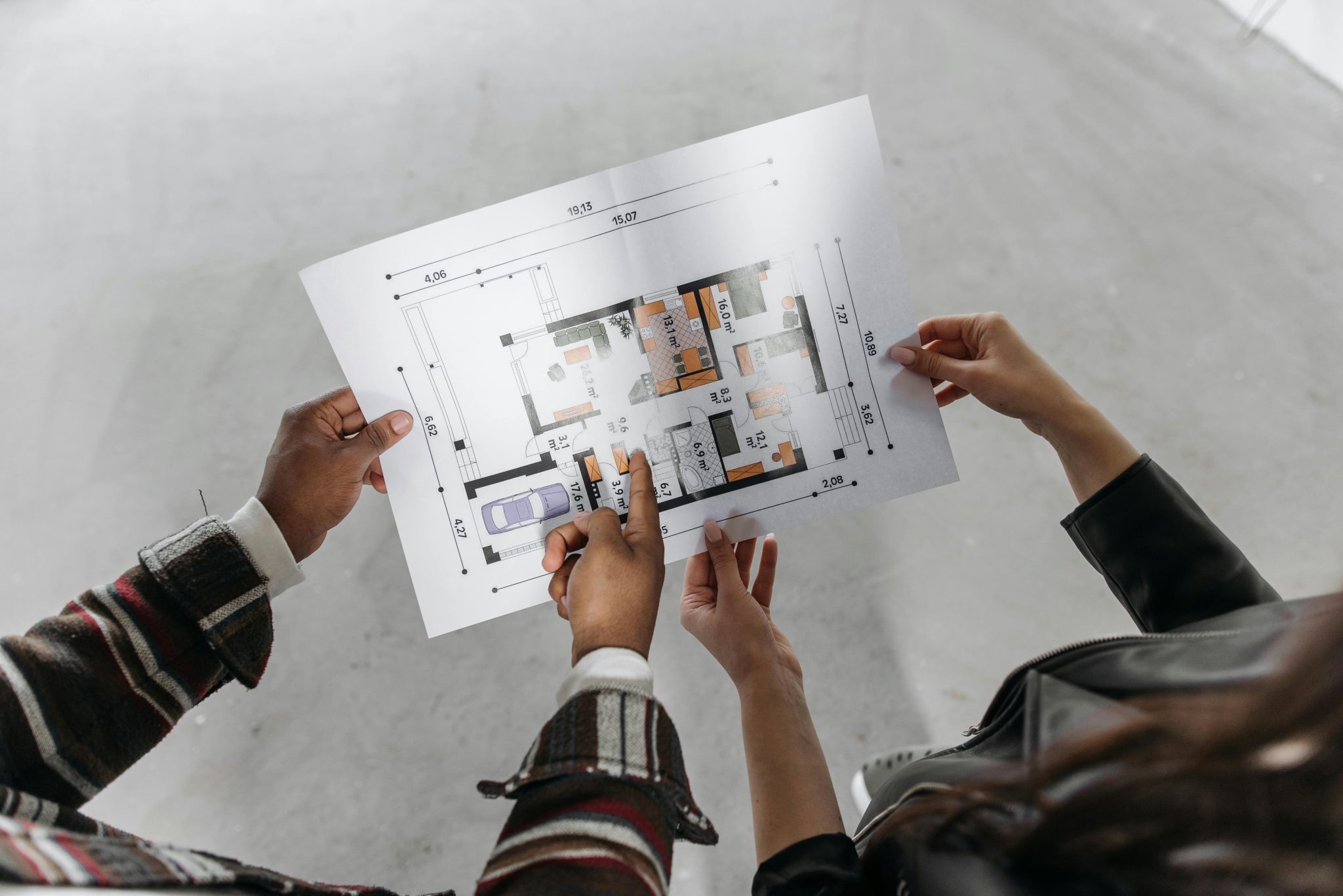
A well-designed layout is what makes a house a home. While the space is crucial, the layout is what truly makes a house functional.
Consider the following:
Logical placement of living areas, dining areas, and kitchen space
Separate spaces for shared use and personal use
Flow between indoor and outdoor spaces
As Australian homes are often designed for an open-plan living space, the flow between spaces is crucial. A well-designed space will incorporate a harmonious flow between spaces so that one space seamlessly transitions into the next.
5. Plan for Storage and Functionality
Storage space is often an afterthought in the design stages; however, this is a crucial element for a clean and functional space.
Consider the following:
- Built-in wardrobes
- Storage space within the kitchen (e.g., a walk-in pantry)
- Storage space within the garage and outdoor spaces
- Multi-functional spaces
Planning for functionality from the beginning will prevent future clutter and a messy space.
6. Choose a Design Style That Looks Good Together
We have finished building the parts of the house and now we need to think about what the house should look like.
The house design style is very important.
We want our house to look nice and feel nice.
Some houses in Australia are designed in these styles:
Coastal: This style has colors and a light feel. It is nice and airy.
Modern: This style is simple. Does not have a lot of decorations. It also has colors.
Contemporary: This style is a mix of traditional styles.
The design style of the house will help us choose the materials we use to build the house.
This way everything will look good together.
7. Choose the Right Materials and Finishes
The materials we use to build the house are very important. They will affect how the house looks and how long it lasts. We also need to think about the weather in Australia. Some materials we can use to build the house are:
Timber: This material gives the house a feel.
Stone: This material makes the house look luxurious.
Tile: We can use this material in areas that get wet like near the sink or shower.
If we use the materials throughout the house it will look nice and cohesive.
8. Make the House a Home
We have finished building the house. Now it is time to make it a home. This is the part where we add the finishing touches. First we will work on the areas of the house like the living room and bedrooms. Then we will work on the areas like the hallways and outdoor spaces. The main areas of the house are where we will spend most of our time. The secondary areas are important too because they help connect the areas.
9. Add Furniture to Your Home
With the structure complete, the next step is bringing the space to life through furniture. This stage plays a key role in transforming a house into a home, adding both comfort and personality.
It’s best to approach furnishing gradually, focusing first on essential pieces and building from there. Consider what you truly need for each space, rather than filling rooms all at once.
When selecting furniture, think about:
- Your personal style and how it aligns with the overall design
- The size and scale of each piece in relation to the room
- How each item contributes to both comfort and functionality
The goal is to find a balance between aesthetics and practicality, ensuring each piece enhances the space rather than overwhelms it.
For those looking to furnish efficiently, exploring options like wholesale furniture in Brisbane can be a practical way to find quality pieces while staying within budget.
10. Add Some Style to Your Home
Styling is what makes our home special. Gives it personality.
This includes things like:
- furnishings, like cushions and rugs
- Artwork and decorative objects
- Lighting, like table lamps and floor lamps
If we add these things to our home it will feel cozy and look nice.
11. Do Not Forget the Areas in Between
The areas in between the rooms like the entry and hallway are very important. We often forget about these areas. They can make a big difference. If we add some decorations, like a console table or some artwork it will make our home look more cohesive.
12. Think About the Future
When we design our home we need to think about the future.
We might need a space or room in the future.
So we should think about flexibility and durability.
We want our home to last a long time and make us happy.
Bringing It All Together
Designing a dream home in Australia is a process that requires both big-picture thinking and attention to detail. Every stage from selecting the right land to refining the interior design plays an important role in shaping the final outcome.
By planning carefully and aligning each decision with your lifestyle needs, it becomes much easier to create a space that feels both functional and cohesive. A well-designed home isn’t just about how it looks, it’s about how it works for you day to day.
When everything comes together, the result is a home that not only looks well put together but also feels comfortable, practical, and perfectly suited to the way you live.