
Most clothing stores aren’t worth your time. That’s not cynicism; it’s just the reality of how many of them operate. Walk into the wrong one, you’re looking at a wasted afternoon, a purchase you’ll regret, and a return policy that’s more obstacle course than actual policy. A little homework before you commit saves all of that.
Do the homework before you leave the house. Browse the inventory online, read a few recent reviews, and see how the store actually talks to its customers. If you’re searching for a reliable clothing store in St. Louis, for instance, start by checking whether they carry well-made, versatile pieces. A strong track record of responsive service will tell you plenty before you make the trip. What a store puts on its website and how it handles complaints in public say more than most people bother to notice. After that, it gets specific.
1. Fabric Quality and Construction
Most shoppers move through a rack without really feeling anything. Don’t do that. Pull at a seam, press the fabric between your fingers, and see how it responds. Garments built to last are made with tightly woven materials, even stitching, and reinforced stress points at the areas that take the most wear, such as pocket openings and collar seams.
Synthetics aren’t automatically a problem, but you should know what you’re buying before money changes hands. Natural fibers like cotton, linen, and wool tend to breathe better and hold their shape longer through repeated washing. Always check the composition label on every piece you’re considering. A store that stocks items with vague or missing labels is telling you something.
2. Size Range and Fit Consistency
A narrow size range is a deliberate decision. Before you shop, find out whether the store carries a broad selection, including extended sizing if that’s relevant to you. More importantly, check whether their sizing is consistent across their collection, because that’s where most people run into issues.
Fit inconsistency is the complaint you’ll see most often in honest clothing store reviews. A medium in one label fits like a large in another. Stores that carry fewer, hand-picked brands are generally more reliable on this front than those that stuff racks with dozens of unrelated labels. Fitting rooms with decent lighting might seem like a small thing, but they’re surprisingly telling. It usually means the store actually expects you to try things on rather than just buy and return.
3. Staff Knowledge and Customer Service
A salesperson who knows their inventory is genuinely useful. They can tell you how a fabric wears after washing, which cuts flatter different builds, and which pieces are actually worth the price. When you walk in, watch how the staff behaves. Do they acknowledge you and stay accessible, or does everyone suddenly have somewhere else to be?
Service extends past the sale, too. Ask about the return and exchange policy before you buy anything. A store confident in what it sells will have a clear, fair policy with a reasonable return window. Vague terms or tight restrictions are a reason to think twice.
4. Pricing Transparency
Rack price should equal checkout price. Simple concept, but plenty of stores inflate prices before running “promotions” to manufacture a discount that was never real. Others quietly introduce fees that weren’t visible on the floor. Neither is a good sign.
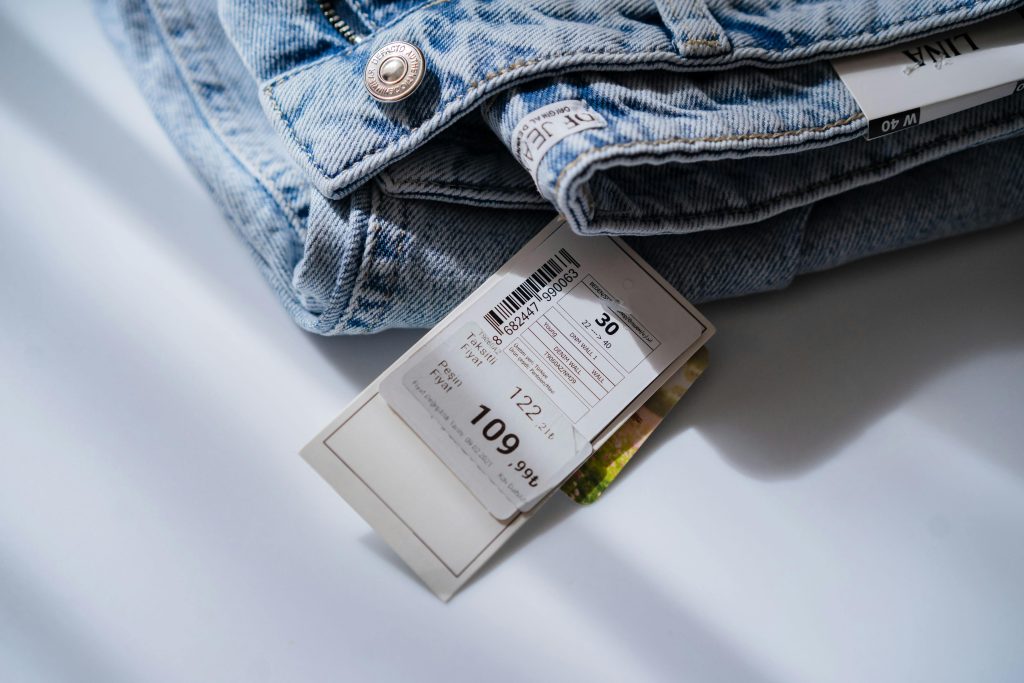
Mid-range pricing on solid materials tends to outlast cheap fast-fashion pieces that lose their shape after a handful of washes. At the same time, a high price doesn’t mean high quality. Use what’s on the fabric label and the garment’s construction as your actual measurements. The tag number is just a starting point.
5. Store Organization and Environment
Look around when you walk in. Is the layout intuitive? Can you actually browse without fighting through a wall of overcrowded racks? Dim lighting and disorganized fitting rooms aren’t just inconveniences; they tend to reflect how the store is run overall. The physical space usually mirrors the operational standards.
Cleanliness matters more than it seems. Stained display pieces, broken fixtures, and clutter on the floor. None of that is accidental. A store that takes care of what customers can see usually applies the same care to what it buys and how it treats people.
6. Brand Reputation and Customer Reviews
Read recent reviews before visiting somewhere new. Five minutes is enough to spot a pattern. Look for what people say about quality, sizing accuracy, and how complaints were handled. A recurring theme of shrinking fabrics, loose stitching, or dismissive staff is worth taking seriously, regardless of how good the storefront photos look.
Longevity is a real signal, too. Stores that have been around for years have usually figured out who their customers are and what they actually want. Sustained positive feedback across review platforms isn’t something you can manufacture indefinitely.
The Bottom Line
Good shopping isn’t just about the piece you find. It’s about whether the place you found it deserves your return visit. Spending a few minutes on quality, fit, service, and reputation before you walk through the door saves money and genuine aggravation. The stores that earn repeat customers are the ones that make both the finding and the buying easy.