


Decks don’t usually get damaged all at once. It’s the slow grind of daily use that does it. Chairs drag across the boards every time someone sits down. Dogs pace near the back door, nails clicking with every step. Planters get shifted, bikes get leaned, toys get dropped, and by the time you notice the surface looking rough, months of small damage have already stacked up.
Most of it is preventable. A few consistent habits, combined with the right protective products, can keep your deck looking sharp for years. The key is understanding what causes damage in the first place and building a routine around it. There are solid resources that explain how to prevent scratches on your deck, covering everything from surface treatments to furniture choices. That foundational knowledge makes it easier to build a protection plan that holds up over time.
Use Furniture Pads and Glides
Here’s the thing: most people don’t think about furniture legs until the damage is already done. Metal chair legs, table bases, and bench feet create small scratches every time they move, and on wood or composite decking, those marks accumulate quickly.
Adhesive felt pads stick to the bottom of furniture legs and create a soft barrier between hard surfaces and your deck boards. Rubber glides work similarly and tend to hold up better through rain and heat. For heavier pieces like dining sets, rubber caps that slip over the leg tips offer even more coverage.
Replace these pads at least once a season. They wear down, collect grit, and lose their grip, which actually makes them worse than nothing if they’re left too long.
Set Up an Entry Routine
Dirt, gravel, and small debris act like sandpaper once they’re underfoot. A surprising amount of deck wear comes not from furniture or pets but from what gets tracked onto the surface every single day.
A sturdy outdoor mat at every entry point helps, but only if it’s the right kind. Look for mats with a coarse top surface that actually scrapes debris off shoes, rather than decorative ones that just sit there looking tidy. Shake or rinse them weekly. An outdoor mat clogged with trapped grit isn’t protecting anything.
Getting family members and guests into the habit of brushing off shoes before stepping fully onto the deck surface sounds minor. Over a full season, it’s genuinely not.
Apply a Protective Finish or Sealer
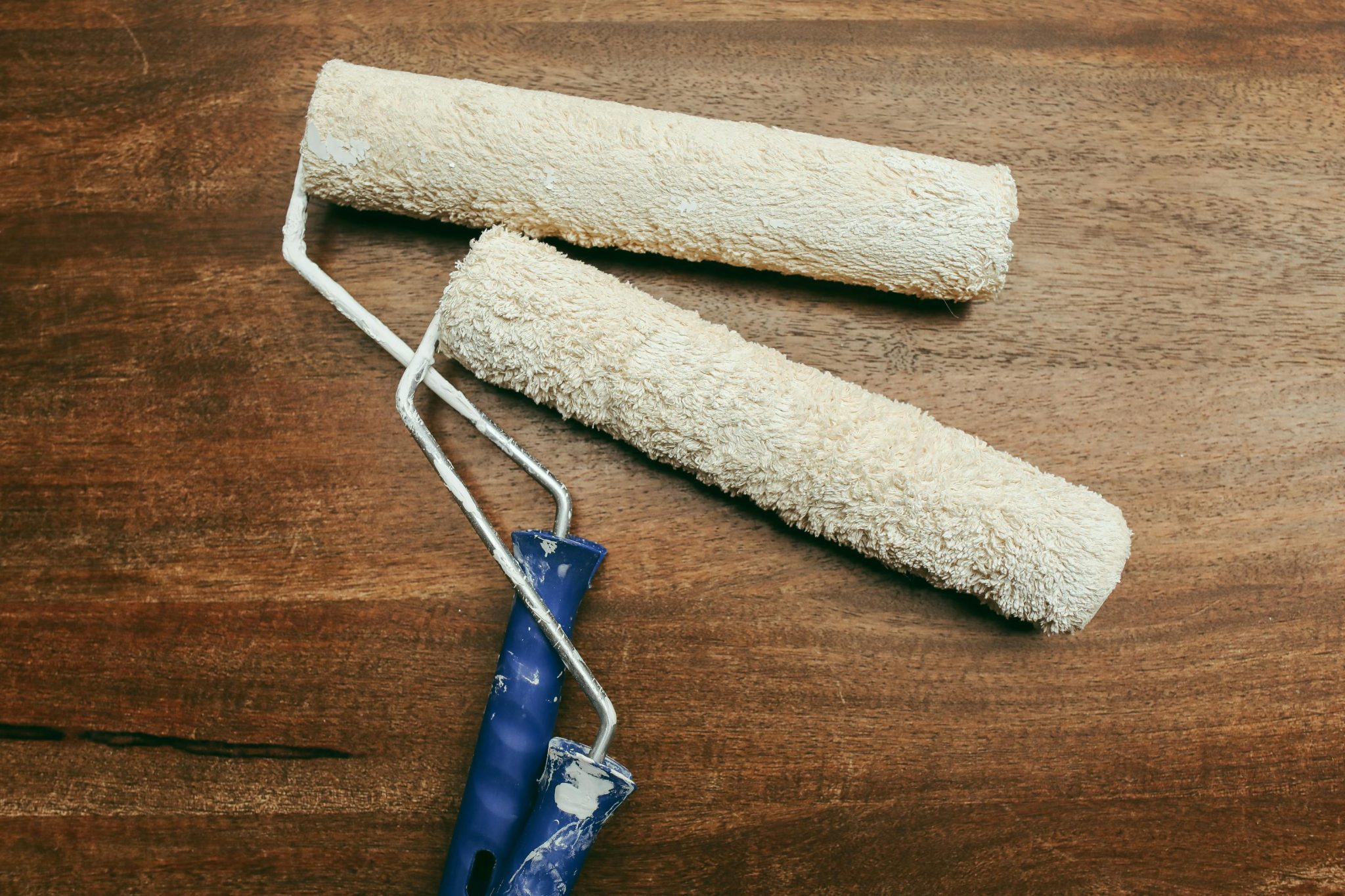
A quality sealant or surface finish adds a layer of hardness on top of the wood grain. It won’t make the deck scratch-proof, but it does reduce how deeply marks penetrate on contact. Sealed surfaces are also easier to clean, which reduces the abrasive effect of grit sitting on the boards between sweeps.
Composite decks work differently. Most composite materials come with a protective cap layer built in, but that layer can still be scratched by sharp objects or degraded by UV exposure over time. A UV-protective composite cleaner used once or twice a year helps maintain that cap layer and reduces surface wear without much effort.
For wood, reapply sealant according to the manufacturer’s instructions—typically every one to three years, depending on your climate and how much direct sunlight the deck receives. Skipping reapplication leaves the wood unprotected and makes any existing scratches more likely to spread.
Store or Cover Outdoor Items Properly
Metal edges, wheel axles, and hard plastic corners are the things that leave real marks. Tools, bikes, gardening equipment, and kids’ toys are some of the most common causes of deck scratching, mostly because they get dragged rather than lifted.
Set up storage away from the desk. Deck boxes and outdoor storage benches keep items contained and off the surface when they’re not in use. If you regularly use equipment on the deck itself, place a rubber mat in that area to absorb impact.
Outdoor rugs do double duty here, protecting the surface from both scratches and UV damage. Just check periodically that moisture isn’t getting trapped underneath them. That can create a different problem entirely.
Trim Your Pets’ Nails
Larger dogs, especially those that pace or wait near the door, can leave consistent scratch marks across both wood and composite surfaces. The damage tends to be gradual, but it compounds fast on softer wood species.
Keeping nails trimmed makes a real difference. A small outdoor runner placed in the spots where your dog tends to linger can also absorb the contact before it reaches the boards. High-traffic pet zones are where this kind of wear is concentrated.
Sweep and Inspect Regularly
A clean deck is a protected deck. Debris left sitting on the surface grinds into the boards every time someone walks across it, and that’s a slow but steady form of abrasion that most people don’t account for.
Sweep two to three times a week during active seasons. While you’re at it, take a quick look for early signs of scratches or surface wear. Catching damage early means a touch-up. Catching it late means a full refinish.
Protecting your deck doesn’t require major effort or expensive products. Consistent small habits, a few smart material choices, and a bit of seasonal attention keep the surface looking good far longer than neglect will ever allow.