
A hotel business that focuses on music can’t rely on playlists alone. The room will live or die based on how it sounds. People may come for the DJ set, the vinyl night, the jazz trio, the excitement of the listening bar, or the late-night pulse, but what makes the experience work is how the space maintains people in that mood. In that equation, quality restaurant booths put in a lot more effort than most operators think.
That matters even more in a market where hospitality is increasingly defined by experience rather than mere usefulness. In 2026, the U.S. restaurant business is expected to make around $1.55 trillion in revenue, up from about $1.5 trillion the year before. This demonstrates how competitive the game has gotten for operators attempting to stand out. Food and drinks are still important in a crowded market, but mood, memory, and identity are now very important for the company.
Places that play music know this instinctively. They aren’t just providing supper with music playing in the background. They are making a place where sound, light, speed, and sitting all work together. Booths help turn that language into something real. They create intimacy, draw attention, soften the room, and turn a conventional dining area into a place with emotional depth.
Why booths fit the rhythm of music-led spaces
People see a room differently when there is music playing. It changes the pace, the discussion, the time people spend there, and the emotional value they place on a night out. Booth seating enhances that dynamic by creating small spaces within a larger space. Booths let operators create layers, rather than letting every table feel the room’s full energy.
That sense of layers is especially significant in ideas grounded in sound. A listening bar, for instance, usually wants the room to feel like it’s part of the experience but not too busy. A restaurant with live music could desire a lot of action near the stage and a quieter area for socializing at the edges. A dining design inspired by a lounge could encourage customers to stay longer, order one more round, and feel at ease rather than rushed. Booths make all of that easier because they naturally divide spaces without making the floor design look too busy.
They also help with one of the main problems in music-led hospitality: finding the right balance between intensity and comfort. If every guest feels watched and heard in a loud or very active area, it might get old quickly. People feel like they are in a booth. They make a place that feels bustling, feels planned, not too much.
The emotional job booths do better than loose seating
Chairs and open tables give flexibility, but booths create a mood. That difference is critical when a concept is selling atmosphere as much as menu items. A booth suggests permanence, softness, privacy, and presence. It tells guests they are meant to settle in.
In music-led settings, that emotional cue matters because people are often seeking more than a transaction. They are looking for a date-night setting, a social ritual, a place to listen, a place to be seen, or a place to disappear into the evening. Booths support all of those motives at once.
They help create a stronger sense of occasion in a few specific ways:
- They frame conversations so that guests feel tucked into the experience rather than sitting on display.
- They visually convey warmth and exclusivity, especially in low light.
- They encourage longer stays, which often align with higher beverage sales and repeat visits.
Recent consumer behavior trends show that a large majority of diners are more likely to return after a unique, memorable experience. At the same time, many guests are willing to pay more for personalized touches, such as preferred seating. That means where a guest sits has become part of the overall value of the visit.
Booths help translate sound into spatial identity
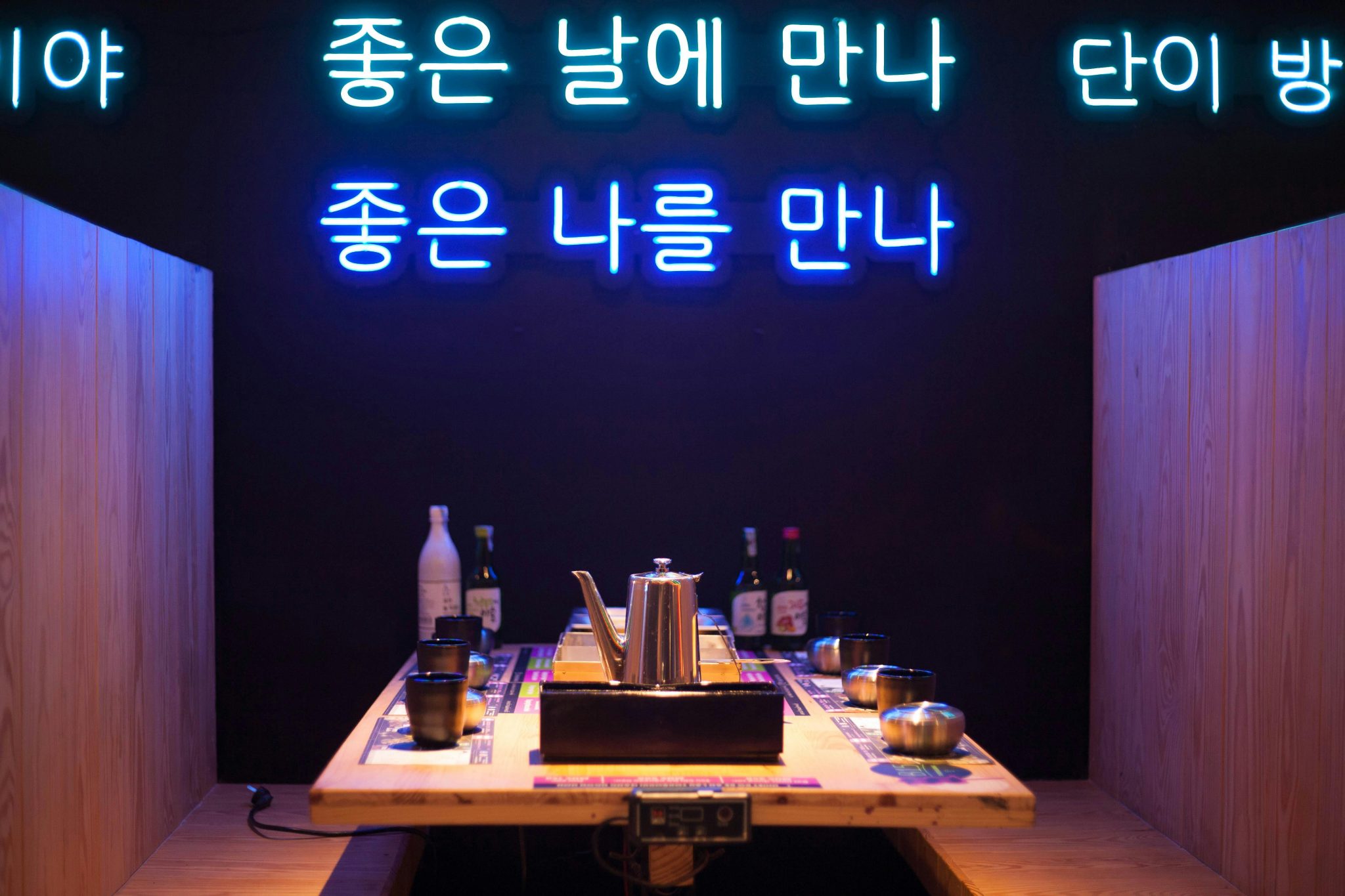
One of the hardest things for a music-led venue to achieve is visual consistency. Plenty of places say they are inspired by jazz, vinyl culture, nightlife, or a certain era of sound. Far fewer actually make the room feel connected to that story. Booths are one of the strongest tools for doing that because they carry visual weight.
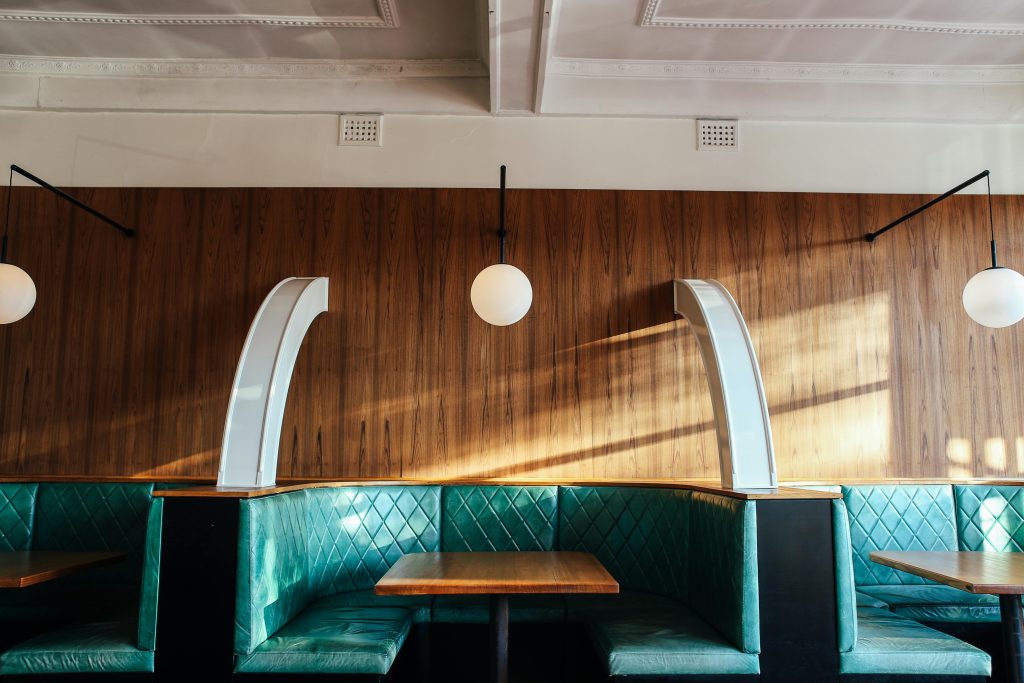
Think about the difference between a room full of scattered tables and a room lined with curved banquettes, channel-back booths, or low lounge-style seating. The second space immediately signals a point of view. It feels composed. It looks like a concept rather than a collection of furniture.
For operators and designers, that makes booths useful on both brand and functional levels:
- Upholstery, back height, shape, and layout can echo the genre or mood the venue is built around.
- Booth runs help create visual rhythm, which pairs naturally with music-focused interiors.
- They photograph well, which matters in an era where discovery is driven heavily by social sharing and digital first impressions.
A music-led venue must look right even when the sound is off. Booths help accomplish that by giving the room a signature silhouette.
Acoustic comfort is part of the experience.
There is another reason why restaurant booths are crucial in these ideas, and it’s not as clear but just as important. They may make a room sound better. Booths with upholstery, padded backs, and fabric surfaces are better at absorbing sound than a floor with hard seats, bare tabletops, and reflective surfaces.
That doesn’t mean that booths can fix all of the problems with sound on their own. Ceiling treatments, wall finishes, speaker positioning, and layout are still important. But booths can help make music-led rooms less harsh, making them feel less noisy and more immersive. That discrepancy can make people say the place is either relaxing or tiring.
This is especially helpful for hybrid concepts, which are locations that start as places to eat and later become livelier nightlife spots. Booths make the room work in both ways. People who eat early gain comfort and some privacy. Later guests have a lounge-like setup that enhances the ambiance.
The business case is stronger than it looks.
Booths are often discussed as a style decision, but they also have serious commercial value. They help operators plan traffic flow, define premium zones, and make certain tables more desirable. In many contexts, the best booth seating serves as a quiet form of inventory management. The room gains seats that feel more valuable without needing constant explanation.
That connects directly to current hospitality behavior. Guests today are increasingly drawn to experience-driven dining, where elements such as live music, atmosphere, and seating all contribute to perceived value. In a concept where the vibe is part of the product, booths help turn ambiance into something that can be reserved, marketed, and repeated.
They also support longer dwell times, which matter in beverage-heavy environments. A guest who feels anchored is more likely to stay through another set, another cocktail, or dessert after the music starts to shape the room.
When the room finally feels like the soundtrack
The best music-led hospitality ideas know that vibe is never an accident. It is built, strengthened, and safeguarded by hundreds of little decisions. Lighting is important. Sound is important. Things that are made matter. But seating might be one of the most important portions of the whole thing.
Restaurant booths are important because they do what music-led ideas need most. They make things more intimate without taking away the intensity. They help set the mood without making the place feel fake. They make you feel at home, give you a sense of identity, and set a visual rhythm all at once.
Booths become more than just furniture when a venue wants attendees to feel the idea, not just see it. They take part in the show.