

As environmental performance and ESG accountability become central priorities across commercial real estate and luxury hospitality sectors, design innovation is increasingly recognised as a strategic tool rather than a purely aesthetic consideration. Isabelle Back, founder and creative director of Nordblooms, is gaining industry recognition for integrating sustainable biophilic design solutions that address both environmental metrics and operational performance in high-end interior environments.
Back’s work focuses on long-lasting botanical installations that allow organisations to maintain natural interior environments without the intensive resource consumption traditionally associated with fresh florals and living plant programmes. In conventional commercial settings, interior greenery often requires significant water usage, temperature-controlled logistics, regular replacement cycles, and ongoing maintenance contracts—factors that contribute to both financial cost and environmental impact.
By introducing preserved botanical design as a measurable sustainability strategy, Back has helped reposition interior greenery as a component of broader ESG planning. Industry assessments indicate that preserved botanical installations can reduce carbon emissions related to floral supply chains by up to 98 percent, eliminate irrigation requirements, and reduce organic floral waste by more than fifty times compared with traditional fresh flower programmes. These outcomes are increasingly relevant to corporate real estate teams seeking practical methods of aligning spatial design with environmental reporting frameworks.
Back’s role has been particularly visible in luxury hospitality environments where brand experience must remain uncompromised while sustainability targets are pursued. Current projects at high-profile NYC hotels introduce green walls, trees, and floral arrangements that enhance guest wellbeing while improving long-term resource efficiency. These initiatives demonstrated that high-profile hospitality spaces could maintain consistent natural aesthetics while significantly reducing maintenance complexity and environmental burden.
Her influence has also extended to major retail environments, identifying operational waste challenges linked to short-lived floral displays. In projects involving major flagship retail spaces, long-lasting botanical installations were introduced to address inconsistencies in visual merchandising caused by rapid floral deterioration. By enabling extended lifecycle use of natural materials, these implementations contributed to more stable brand presentation while reducing logistical disruption and material turnover.
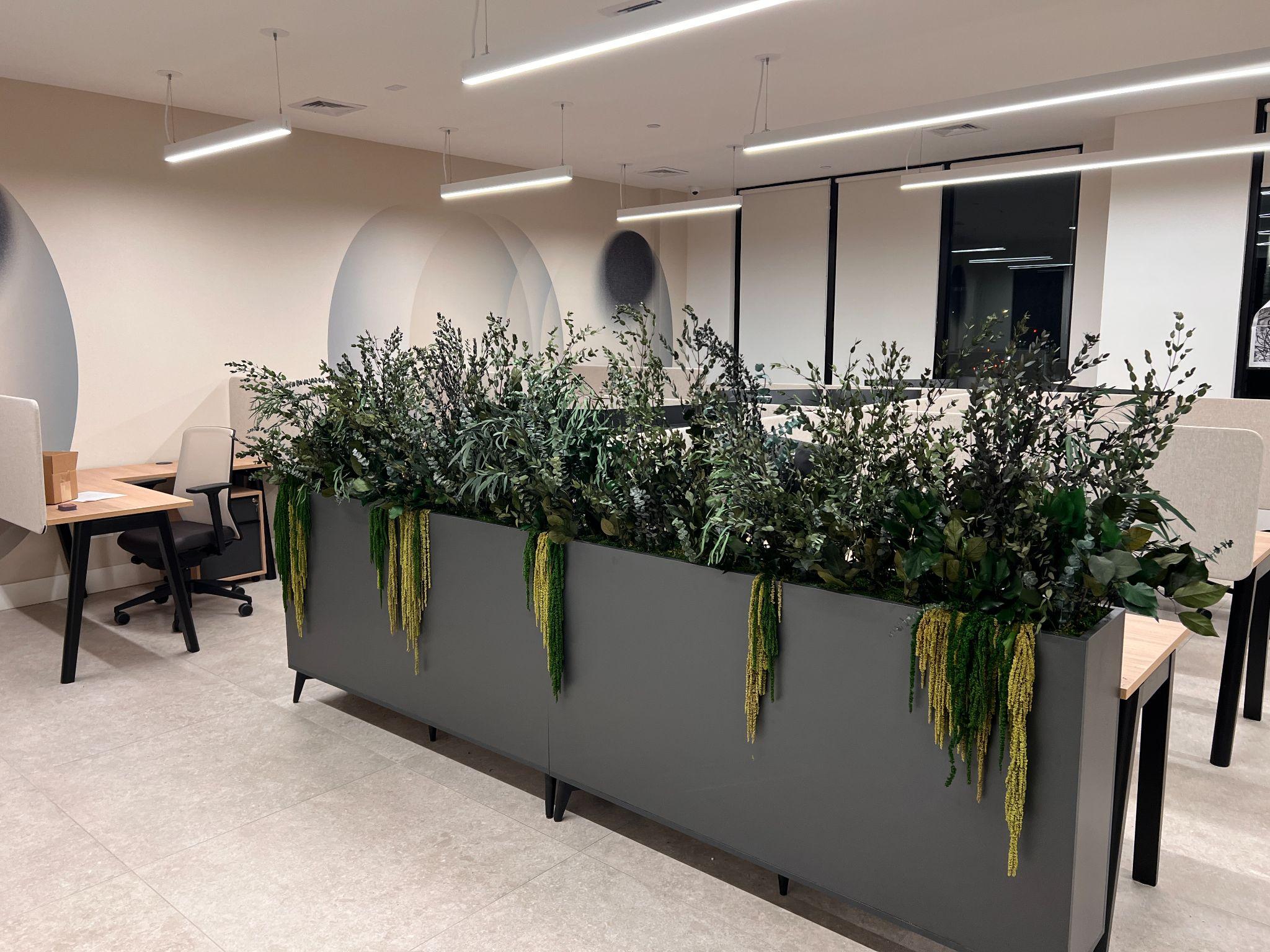
Beyond environmental metrics, Back’s work intersects with the growing recognition of biophilic design as a driver of occupant wellbeing and workplace performance. Studies in environmental psychology suggest that the presence of natural elements in interior spaces can reduce perceived stress levels, improve cognitive engagement, and enhance overall user satisfaction. By facilitating consistent exposure to natural botanical environments over extended periods, her design strategies support projects pursuing WELL and LEED certification, where biophilic elements contribute to broader wellness and sustainability goals.
As founder and creative director, Back collaborates directly with architects, sustainability consultants, and corporate decision-makers to evaluate lifecycle considerations, operational efficiencies, and environmental performance indicators alongside aesthetic objectives. This multidisciplinary engagement positions her as a strategic contributor to evolving ESG standards within commercial interiors rather than solely as a design service provider.
With organisations worldwide under mounting pressure to demonstrate measurable environmental responsibility, Isabelle Back’s approach reflects a broader industry shift toward integrating sustainability into experiential design. By aligning natural interior environments with quantifiable environmental outcomes, she is contributing to a new model of commercial space planning in which ecological accountability and luxury experience operate as complementary priorities rather than competing objectives.














One Response
Interesting article, love the styling! More places like hotels, shopping centres and homes should apply Isabelle Back’s approach! 👏💐