Australia’s love of cars is showing no signs of slowing down. According to the Federal Chamber of Automotive Industries, the country sold 1,209,808 new vehicles in 2025, a figure that reflects just how central cars remain to everyday Australian life.
Alongside this steady demand, there is a noticeable shift in what drivers actually prefer. Automatic cars are no longer seen as a convenience feature reserved for a select few. They are quickly becoming the default choice for everyday drivers across cities like Sydney and regional NSW alike.
If you are planning to upgrade your car or even thinking of gifting one to a family member, it helps to understand why this shift is happening. In this post, we will walk through the key reasons automatic cars are gaining popularity, how modern transmission systems work, and what this means for your long-term driving experience.
Understanding Automatic Transmission Systems
Most drivers enjoy the ease of an automatic without ever thinking about what makes it work. Here is a straightforward look at the mechanics behind it.
In a conventional automatic, the transmission selects gears based on real-time data from the engine and vehicle speed. There is no clutch pedal involved. Instead, a torque converter sits between the engine and gearbox, using hydraulic fluid to transfer power smoothly and allowing the car to idle at a standstill without stalling. When you accelerate, it responds progressively, which is what gives automatic cars that characteristic smoothness off the line.
Sitting above the mechanical components is an electronic control unit that manages the entire process. It reads throttle input, road speed, and load conditions simultaneously, making gear decisions faster and more precisely than any driver could manually. This is why modern automatics feel considerably more capable and responsive than those from even ten years ago.
If you ever notice delayed shifting, slipping gears, or unusual noises, it is often a sign that the transmission needs attention. In such cases, consulting an experienced automatic transmission specialist can help diagnose and resolve issues before they become more serious.
Top 5 Reasons Automatic Cars Are Winning Over Modern Drivers
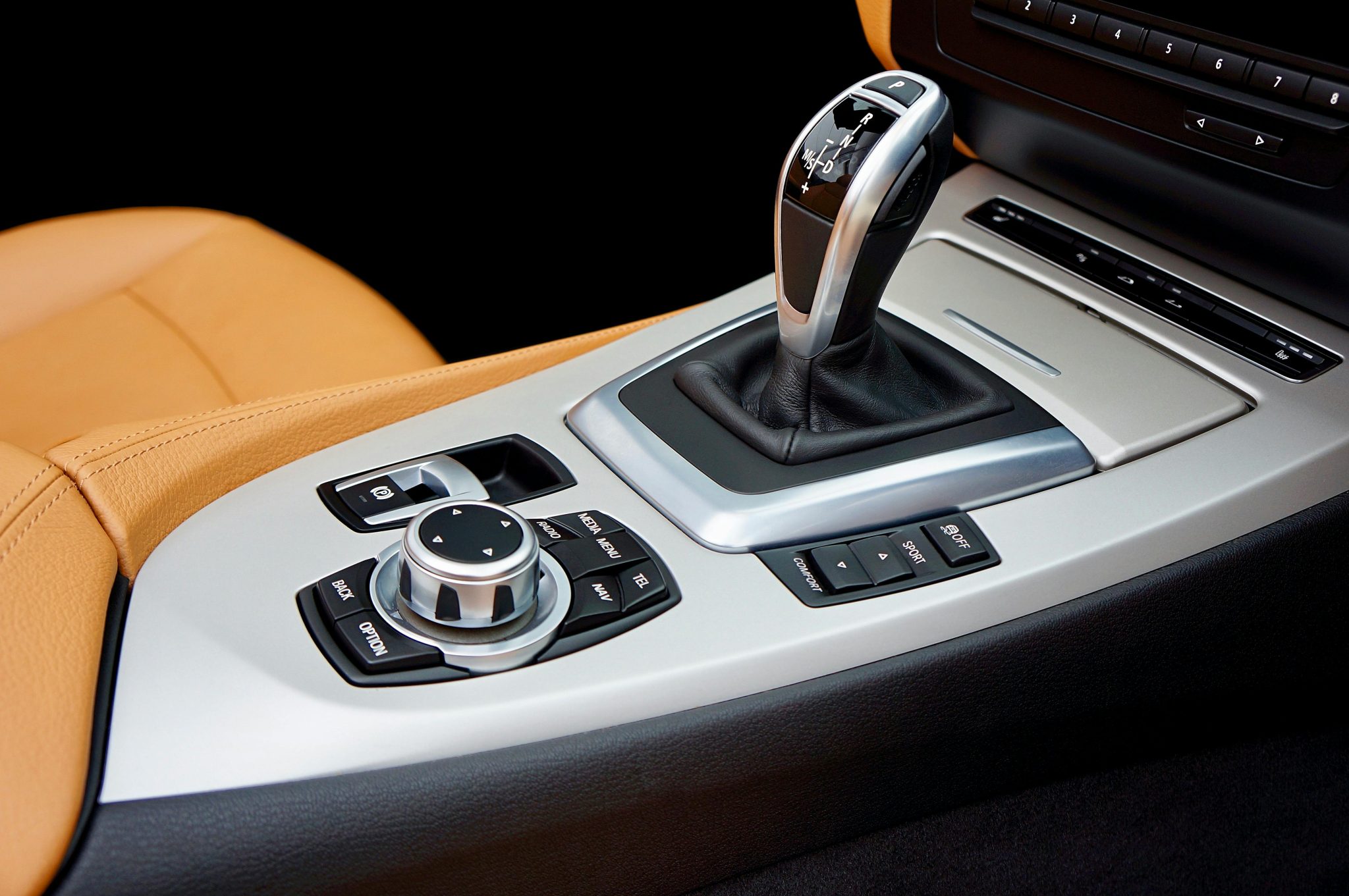
They Make City Driving Genuinely Easier
Stop-and-go traffic is a daily reality for most Australian commuters, and working a clutch pedal through it is genuinely tiring. Automatic transmissions handle gear changes for you, which keeps your attention on the road rather than on the car itself. In dense urban traffic, that is not a convenience — it is a meaningful reduction in the cognitive and physical load of driving.
Reduced Driver Fatigue on Longer Trips
Repetitive physical tasks are a recognised contributor to driver fatigue, and clutch management on a long drive is exactly that. Automatics allow you to maintain a steadier focus on road conditions without constantly splitting your attention. The difference becomes most noticeable on multi-hour trips, where smaller sources of effort compound over time.
The Technology Has Genuinely Caught Up
Early automatic transmissions had a reputation for being sluggish and fuel-hungry compared to their manual counterparts. That reputation is largely outdated. Modern automatic gearboxes, including eight and nine-speed units now common in mid-range to premium vehicles, offer gear ratios that are tighter and more refined than ever before. This means the engine can stay closer to its optimal power band, improving both performance and fuel efficiency.
Many of today’s automatics also include driver-selectable modes such as sport, eco, and even manual paddle-shift options, giving you control when you want it and effortless automation when you don’t. For those browsing luxury car collections, this technological sophistication is a major draw, with brands like BMW, Mercedes-Benz, and Porsche offering transmission systems that are genuinely thrilling to drive while remaining smooth and comfortable in everyday conditions.
They Are Accessible to a Much Wider Range of Drivers
Automatic cars are easier to learn in and, frankly, easier to drive for a broader range of people. For new drivers, the learning curve is shorter because there is no clutch to master and no risk of stalling at an intersection. For older drivers, or those managing physical conditions that affect hand and foot coordination, automatic cars remove barriers that would otherwise make driving difficult or uncomfortable.
This accessibility factor has contributed meaningfully to the growth of automatic car sales in Australia. When a vehicle is genuinely less stressful to operate, it appeals to a wider audience, and manufacturers have responded by making automatics the standard transmission across most segments of the market.
They Fit the Way Modern Drivers Actually Want to Drive
Modern vehicles are increasingly built around comfort, connectivity, and driver assistance technology. Adaptive cruise control, lane-keeping systems, and semi-autonomous features all depend on smooth, precise power delivery, and automatic transmissions are engineered to support exactly that.
Browsing modern cars today, you will struggle to find a flagship model that does not treat the automatic gearbox as the default, because for the technology packed into these cars, it is the only transmission that makes sense.
Preventative Maintenance for Modern Vehicles
Many car owners encounter issues like battery failure, engine overheating, and electrical faults at some point. While these problems can feel sudden, they are often the result of gradual wear that goes unnoticed over time.
Luckily, most of them can be sidestepped with timely, professional attention, and the less you leave to chance, the less likely you are to need battery roadside assistance on a day you least expect it. Here are a few maintenance habits that go a long way:
- Regular servicing: Follow your manufacturer’s recommended service intervals so that wear items like filters, belts, and brake components are inspected and replaced before they cause a problem. For automatic cars, this should also include a check of the transmission fluid condition and level.
- Diagnostic checks: Modern vehicles store fault codes in onboard control modules even when no dashboard warning light has appeared. A periodic diagnostic scan can catch developing issues early, before they become costly repairs.
- Fluid maintenance: Your car depends on several fluids beyond engine oil, including transmission fluid, brake fluid, and coolant. Each has a service life, and keeping them clean and at the correct level protects the systems they serve. In Australia’s warmer climates, coolant conditions are worth watching closely.
Staying on top of these basics is the simplest way to protect your investment and avoid unpleasant surprises on the road.
Making the Right Choice for Modern Driving
Automatic cars have earned their popularity for practical reasons, not just because they are convenient. They suit the way most people actually drive today, and they align with where vehicle technology is heading. That said, no transmission type maintains itself.
Whether you are driving a basic commuter or something from the higher end of the market, understanding how your gearbox works and keeping up with its service requirements is what protects the investment over time. If something feels off with how your car shifts, it is worth having it looked at early rather than waiting for a bigger problem to develop.