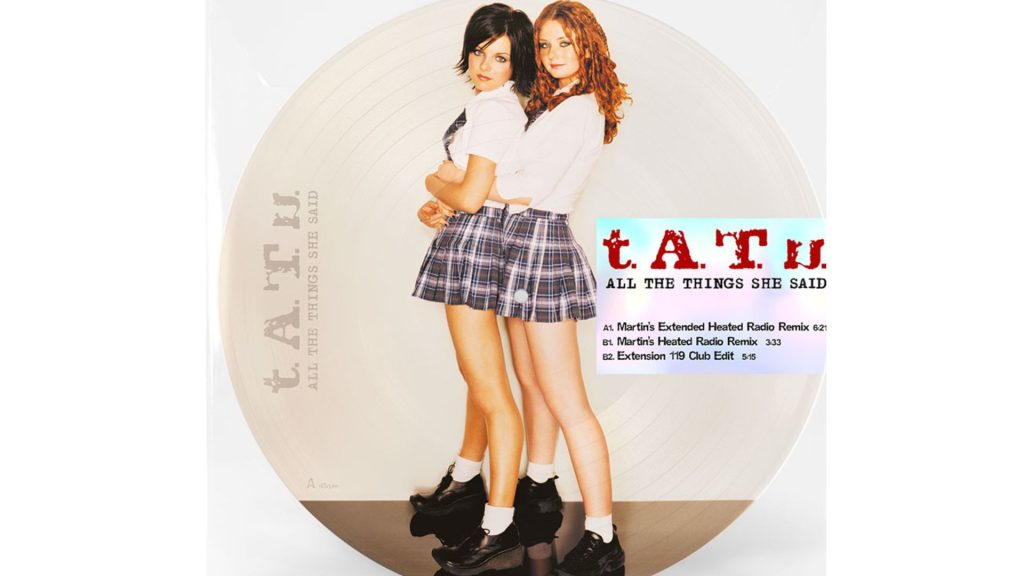
Vinyl outsold CDs again. Hollywood greenlit another legacy sequel nobody needed. Your uncle digitized his 1994 wedding footage and won’t stop posting clips to the family group chat. Something is going on — and the nostalgia boom is what people have started calling it, though that phrase undersells how deep this runs. We aren’t talking about a passing trend or some cute cultural moment. This is an economic shift, an emotional recalibration, a whole restructuring of how industries think about the past as product. And it didn’t come from nowhere. Years of instability (pandemic, inflation, political fractures that made for some awkward family dinners) pushed millions of people toward anything that felt stable. Memory, it turns out, is the most reliable comfort available. Perhaps even the cheapest. The question worth asking isn’t why people are looking back. It is why anyone expected them to stop.
Preserving Memories in the Digital Age
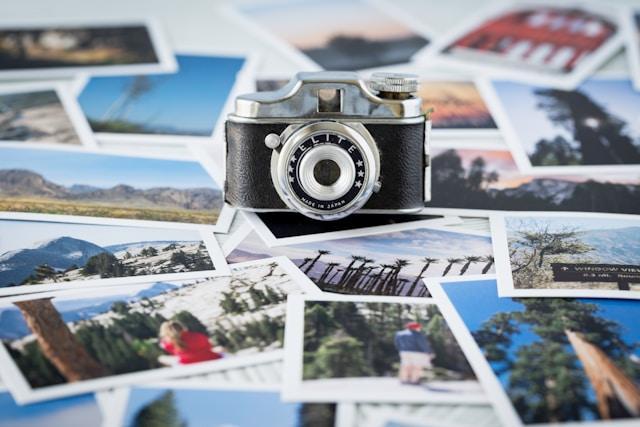
Boxes of old photos rot in garages. VHS tapes degrade a little more each summer. Those Hi8 cassettes your dad swore he’d transfer to DVD back in 2009? Still sitting there, untouched, and the clock is running out on them. One of the clearest signs of the nostalgia boom is this frantic push to digitize personal media before it crumbles into nothing. Digitization services have turned that into a full business model. With Capture, you mail in your old reels, prints, and tapes, and they send back digital files your whole family can access. Simple premise. Massive demand. Honestly, the growth numbers are staggering.
But here’s what gets overlooked. Nobody is doing this for organizational purposes. People don’t scan their grandmother’s Polaroids because they want cleaner cloud folders. They do it because a blurry photo from 1976 carries more emotional gravity than anything shot on an iPhone 15 Pro Max.
And the tech caught up, which matters. What used to cost hundreds at a specialty shop now happens through a mail-in kit or a smartphone app. The barrier vanished. Millions of people just walked through.
Why Nostalgia Hits Harder During Uncertain Times
There is actual research on this — not just vibes. The University of Southampton runs something called the Nostalgia Group (yes, real name), and their work shows that nostalgic reflection measurably boosts mood, reinforces identity, and strengthens feelings of social connection.
Think about what the last several years actually felt. A pandemic that isolated everyone. Grocery prices that made people genuinely angry. Political tension is thick enough to wreck friendships. During all of that, nostalgia functioned almost as psychological armor — a way to retreat into something that felt safe because it already happened and couldn’t be taken away.
Some people dismiss this as escapism. Lazy framing, frankly. Psychologists actually describe nostalgia as a coping resource, not a retreat. It reconnects you with who you were before everything got so fractured — which, paradoxically, makes you better at handling the fractures. The nostalgia boom accelerated because people needed anchoring, and the present wasn’t offering much of it.
Regardless, there is a line between visiting the past and refusing to leave. Most people find it fine.
The Entertainment Industry’s Nostalgia Playbook
Hollywood figured out the math years ago. Why gamble on an original screenplay when you can resurrect a franchise with decades of pre-built emotional attachment? Beetlejuice Beetlejuice crossed $400 million at the box office. Gladiator II showed up 24 years after the first one. Top Gun: Maverick became one of 2022’s biggest hits by doing exactly one thing — making adults over 35 cry about fighter jets.
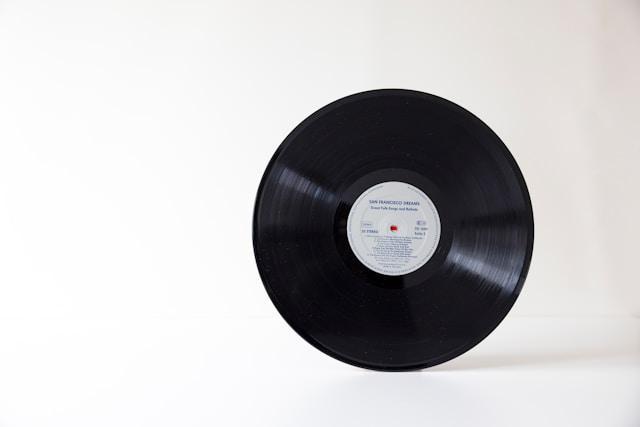
Music does the same. Vinyl outsold CDs for the second straight year in 2023. Oasis announced a reunion tour, and Ticketmaster collapsed within minutes of tickets going live. Taylor Swift built an entire re-recording empire out of reclaiming — then reselling — her own catalogue. Brilliant, honestly. Meanwhile, gaming follows the same template. Nintendo keeps printing money from remastered titles. The pixel-art indie scene pulls its visual vocabulary straight from the SNES era. Final Fantasy VII Remake exists because Square Enix knew 30-somethings would pay $70 to replay 1997 with better lighting and orchestrated music.
Here is what nobody wants to say out loud, though. The nostalgia boom gives studios an excuse to avoid creative risk altogether. Why fund something new when a legacy sequel guarantees an opening weekend? At a certain point,, nostalgia stops functioning as homage and starts resembling creative bankruptcy in a vintage jacket. Audiences deserve more — even if they do keep buying tickets.
Nostalgia as Social Currency
Open TikTok. Ten minutes. You’ll see Y2K fashion hauls, cottagecore fantasy edits, and nineteen-year-olds romanticizing the indie sleaze era they were literally born too late to witness. Nostalgia is content now — shareable, infinitely recyclable, algorithmically rewarded content. Essentially, it has become an identity.
Thrift stores aren’t budget shopping anymore. They are curation. A vintage Sonic Youth tee from a Goodwill rack signals taste, irony, and cultural literacy all at once — three things for four dollars. Obviously, Gen Z did not invent this. But they perfected borrowing memories from decades they never lived through, packaging them into aesthetic categories with names and hashtags and matching Spotify playlists.
Naturally, platforms encourage it too. Posts built on nostalgic references consistently outperform generic content in engagement metrics. Sure enough, the algorithm figured out what researchers already knew: people click on warmth. That warmth converts, which is exactly why brands now engineer entire campaigns around manufactured nostalgia for decades that their target demographic cannot actually remember.
Where the Nostalgia Boom Goes From Here
None of this will slow down. Clearly, the opposite is happening. AI-powered restoration tools can sharpen a blurry 1960s snapshot into something that looks freshly taken. Old home videos get upscaled, colorized, dropped into family group chats — digital heirlooms handed down through screens instead of dusty shoeboxes in a closet. The nostalgia boom is not about being stuck in reverse. That reading is lazy. It’s about refusing to let meaningful things vanish — whether that’s a grandmother’s voice caught on a camcorder tape or the specific gut-punch of hearing a song that soundtracked the worst and best summer you ever had. The past is not a prison. For most people, it is a library they keep revisiting. And right now, everybody is checking something out.