
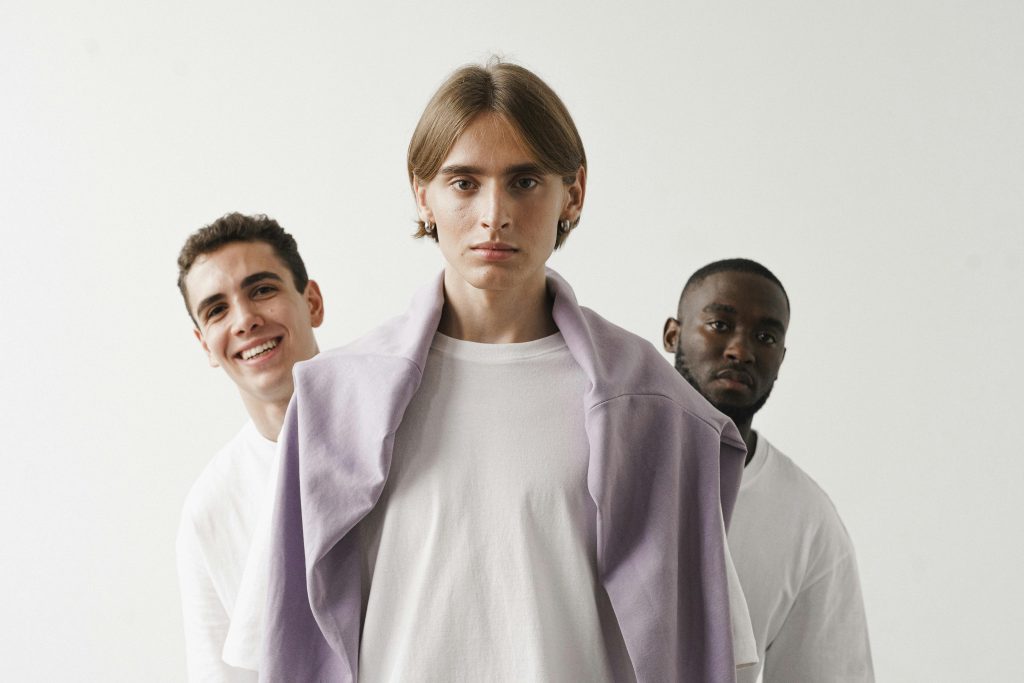
There was a time when men’s style advice came wrapped in complicated rules, intimidating runway trends, and the quiet pressure to look like a fashion editor on his day off. That moment has faded. What’s replacing it is something far more practical, and frankly more enjoyable. Guys are realizing that dressing well does not require a closet packed with dozens of statement pieces or the patience to decode every trend cycle that drifts across social media. The modern approach is more relaxed, more thoughtful, and a lot easier to live with day to day.
Good style now looks less like performance and more like intention. You notice the difference immediately when someone walks into a room wearing clothes that fit well, feel comfortable, and clearly belong to them. There is no overthinking, no desperate attempt to chase the newest thing. Just a quiet confidence that comes from knowing the basics are solid. That shift is changing how men shop, how they dress for work, and how they think about their closets in general.
The Return Of Effortless Style
For years, men’s fashion bounced between extremes. One season pushed oversized streetwear, another leaned toward ultra tailored suits that felt better suited for a boardroom in 1998 than a modern office. The current moment is settling somewhere more balanced. Clothes are relaxed but not sloppy. Tailoring still matters, but comfort is no longer treated like a guilty pleasure.
This shift has been fueled by a simple realization. Most men want clothes that work across real life. A shirt should handle a meeting, a dinner, and a weekend coffee run without looking out of place. The same goes for jackets, knitwear, and shoes. When every piece earns its spot, the closet suddenly feels lighter and dressing becomes far less stressful.
It also encourages smarter purchasing decisions. Instead of grabbing something flashy that will be forgotten by next season, men are investing in pieces they will actually wear. That mindset naturally leads into the next stage of the style conversation.
Building A Closet That Actually Works
The idea of building a wardrobe used to sound like something reserved for stylists and fashion insiders. In reality, it is simply about making sure the pieces you own cooperate with one another. When shirts, jackets, and pants share a similar color palette and level of formality, getting dressed becomes almost automatic.
Start with the essentials that see constant rotation. Well fitting white and light blue shirts, a navy blazer, a pair of clean sneakers, and a versatile jacket that works through multiple seasons. These are not groundbreaking ideas, but their value becomes obvious once they start pulling outfits together without effort.
From there, it becomes easier to add personality. Maybe it is a textured overshirt, a slightly bold knit polo, or a watch that carries a bit of history. Because the foundation is already solid, these additions feel intentional rather than chaotic. Style begins to look personal rather than experimental.
Fit Matters More Than Flash
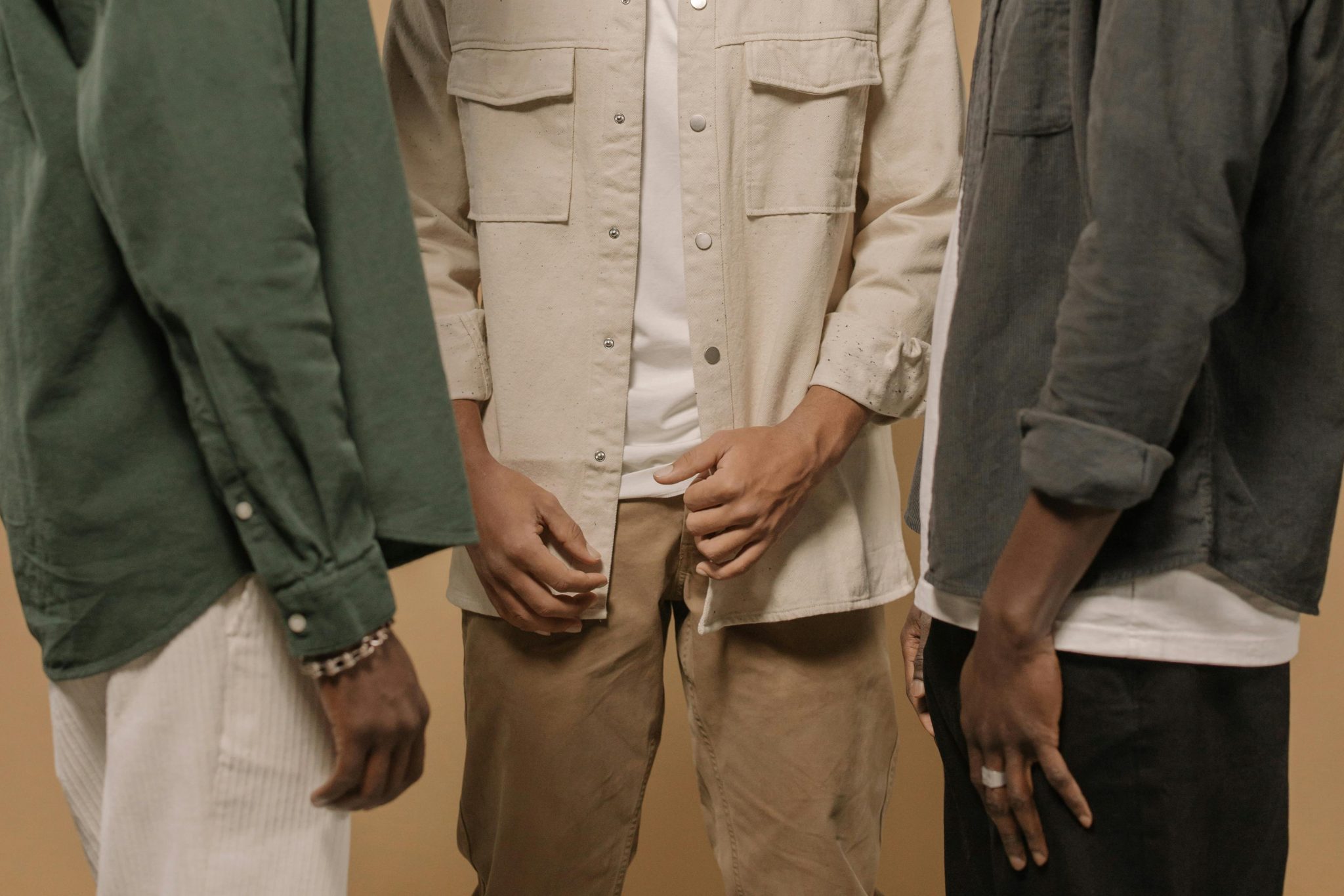
A surprising number of style problems disappear once clothing fits properly. This sounds obvious, but it is still the detail most often ignored. A shirt that drapes cleanly across the shoulders instantly looks sharper than one drowning the frame. The same principle applies to jackets, sweaters, and denim.
Modern tailoring favors natural movement. Jackets follow the body rather than squeezing it, and trousers sit comfortably without ballooning around the leg. The goal is not to look sculpted by a tailor’s ruler but to appear put together without visible effort.
Tailoring adjustments can also extend the life of clothing. A minor tweak to sleeve length or waist size transforms an average purchase into something that feels custom. When clothes fit right, they tend to stay in rotation longer, which is good for both your style and your wallet.
The Quiet Power Of Great Trousers
Pants rarely receive the spotlight they deserve. Most style conversations revolve around jackets or shoes, but trousers quietly shape the entire silhouette. When the cut is right, the rest of the outfit tends to fall into place.
That is why so many men are rediscovering the reliability of men’s pants, specifically chinos. They sit comfortably between formal and casual, which makes them unusually versatile. Paired with a crisp shirt and blazer, they can hold their own in professional settings. Swap in a simple knit polo or lightweight sweater, and the same pair suddenly works for weekend plans.
Color also plays a role. Navy, olive, and classic khaki tend to anchor the closet because they pair easily with almost everything else. Once those staples are covered, experimenting with lighter neutrals or seasonal shades becomes much less risky.
Confidence Comes From Simplicity
Fashion can feel overwhelming when every headline promises a new set of rules. In reality, the most compelling personal style rarely follows strict formulas. It grows gradually as people figure out what feels natural on them.
Men who dress well today often share one habit. They pay attention to what actually works in their daily routine and ignore the noise surrounding short lived trends. If a jacket earns compliments and still feels comfortable months later, it stays. If something looks good on a hanger but never gets worn, it quietly exits the closet.
This approach creates consistency, which is often mistaken for confidence. When someone dresses with familiarity and ease, the result looks effortless even if the process took time to develop.
Modern men’s style has moved away from complicated fashion theory and toward something far more practical. Good clothes should make life easier, not add another layer of stress to the morning routine. A handful of reliable pieces, thoughtful fit, and a clear sense of personal taste can carry someone through most situations with ease.