

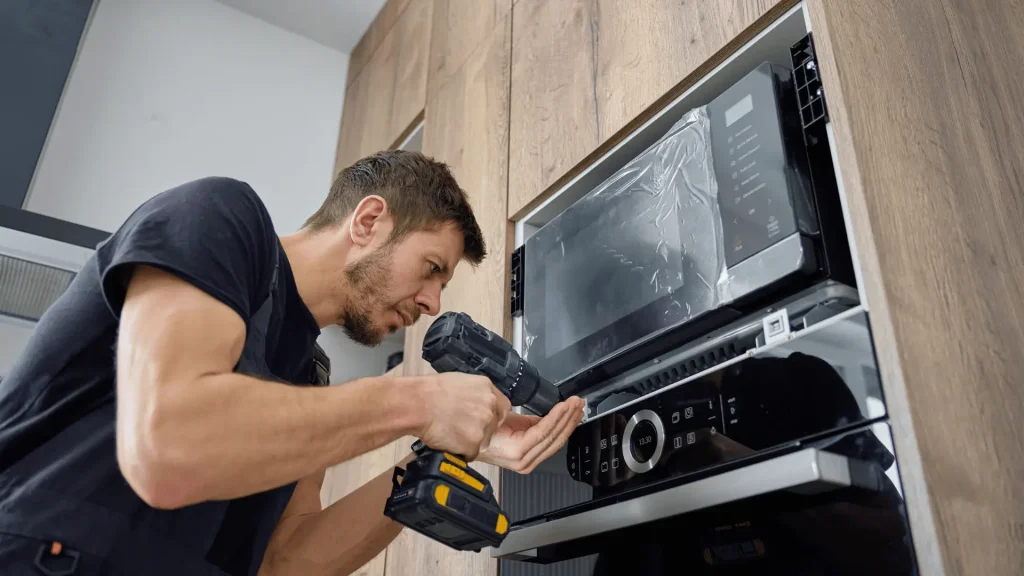
Your dishwasher stops mid-cycle. Your dryer takes forever to dry a load. Your fridge starts making a noise you’ve never heard before.
These moments always come at the worst time, and the first question that pops into your head is usually the same. Should I fix it or just buy a new one?
Knowing when to repair vs replace appliances can save you a good amount of money and a lot of frustration.
The decision comes down to a few key factors, including the age of the unit, the repair cost, and how efficiently it’s still running. Getting it right starts with knowing what to look for.
The 50% Rule: The Simplest Way to Decide
The 50% rule is one of the easiest ways to decide what to do with a broken appliance.
Simply divide the repair cost by the replacement cost, then multiply by 100 to get a percentage. If that number is below 50%, repairing is usually the smarter choice.
If it’s above 50%, buying new often makes more sense. For example, if a repair costs $300 and a new appliance costs $900, your repair percentage is 33%, which is well below the 50% mark, so repairing is the better call.
This rule works for most common household appliances and gives you a clear starting point without overcomplicating the decision.
It’s not perfect for every situation, but it’s a solid baseline to work from.
Step-by-Step Decision Guide: Repair or Replace?
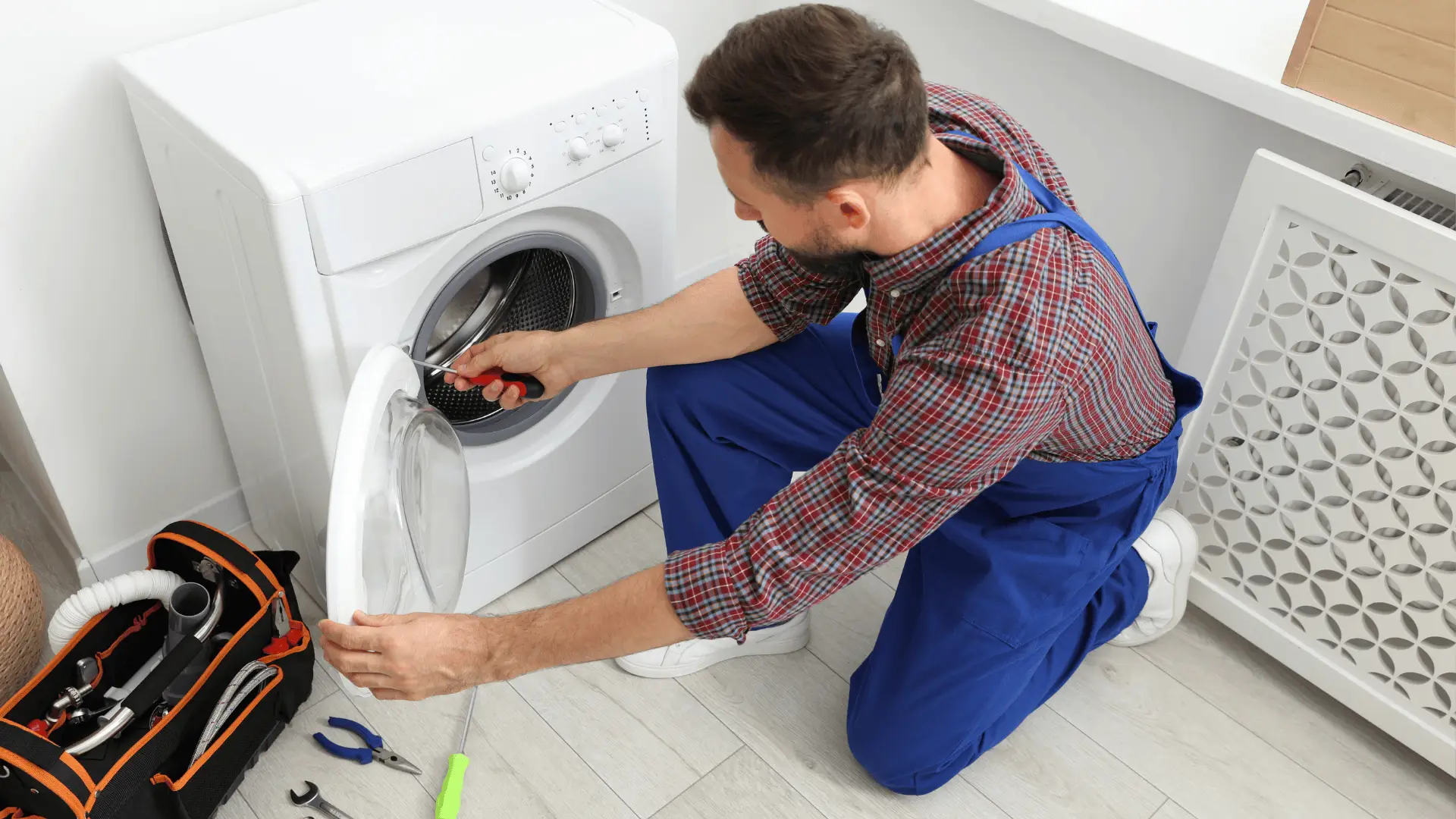
Deciding what to do with a broken appliance gets a lot easier when you have a clear process to follow.
Following a simple step-by-step process helps you weigh the costs, the age of the unit, and its long-term value before spending any money.
Step 1: Check the Appliance Age
Every appliance has an average lifespan, and age plays a big role in the repair-or-replace decision. If your unit is nearing the end of its expected life, investing in repairs may not be worth it.
|
Appliance |
Average Lifespan |
|---|---|
|
Refrigerator |
10–15 years |
|
Dishwasher |
9–12 years |
|
Washer |
10–14 years |
|
Dryer |
10–13 years |
|
Oven/Range |
13–15 years |
|
Microwave |
9–10 years |
|
Garbage Disposal |
8–12 years |
Step 2: Estimate the Repair Cost
Before making any decision, get a repair estimate from a qualified technician. Most service calls include a diagnostic fee ranging from $50 to $100.
Once the problem is identified, ask for a breakdown of parts and labor separately. Homeowners often consult professional technicians from established appliance service providers—such as Excellence Appliance Repair—to obtain a clear diagnosis and understand whether the issue is minor or part of a larger mechanical problem.
Step 3: Apply the 50% Cost Rule
Once you have your repair estimate, divide the repair cost by the price of a comparable new appliance, then multiply by 100. If the result is under 50%, repairing is likely the better move.
A $400 repair on a $1,000 refrigerator is 40%, which favors repair. A $600 repair on that same unit hits 60%, pointing toward replacement.
Step 4: Evaluate Energy Efficiency
Older appliances tend to use significantly more energy than newer models. A 15-year-old refrigerator can cost 2 to 3 times as much to run annually as a current Energy Star unit.
If your appliance is already driving up your utility bills, repairing it just adds to that cost. Factor in potential monthly savings from a newer model when making your decision.
Step 5: Consider Future Breakdowns
If an appliance has needed multiple repairs in a short period, that’s a sign of deeper reliability issues.
In older units, several components tend to wear out at the same time, so a single fix rarely solves everything.
Paying for repeat repairs adds up fast and can easily exceed what a replacement would have cost from the start.
How to Decide Between Repairing and Replacing Appliances?
Repairing usually makes sense when the appliance is still under warranty, the fix is minor, the unit is less than five years old, or the repair cost is low relative to its replacement price.
In these cases, spending a little to fix it is almost always the smarter financial move. Excellenceappliancerepair.com can handle all your appliance repair needs, ensuring you get the most out of your appliances for a long time.
On the other hand, replacing makes more sense when a major component like a compressor or motor fails, the appliance has needed multiple repairs recently, the repair cost crosses the 50% threshold, or the unit is running up your energy bills due to poor efficiency.
Matching your situation to one of these two categories makes the decision much cleaner.
Hidden Costs and Safety Risks of Old Appliances
Old appliances cost more than just repair bills. As units age, they use more energy, consume more water, and require more frequent maintenance, all of which add to your monthly expenses without you always noticing.
A washer or dishwasher from 15 years ago can use significantly more water per cycle than a current model, and the difference shows up on your utility bills over time.
Beyond the costs, aging appliances also carry real safety risks.
Worn-out gas appliances can develop leaks, old wiring can cause electrical shorts, and faulty dryers or ovens are a known fire hazard.
These risks alone are sometimes reason enough to replace rather than repair.
Should You Repair Appliances Yourself?
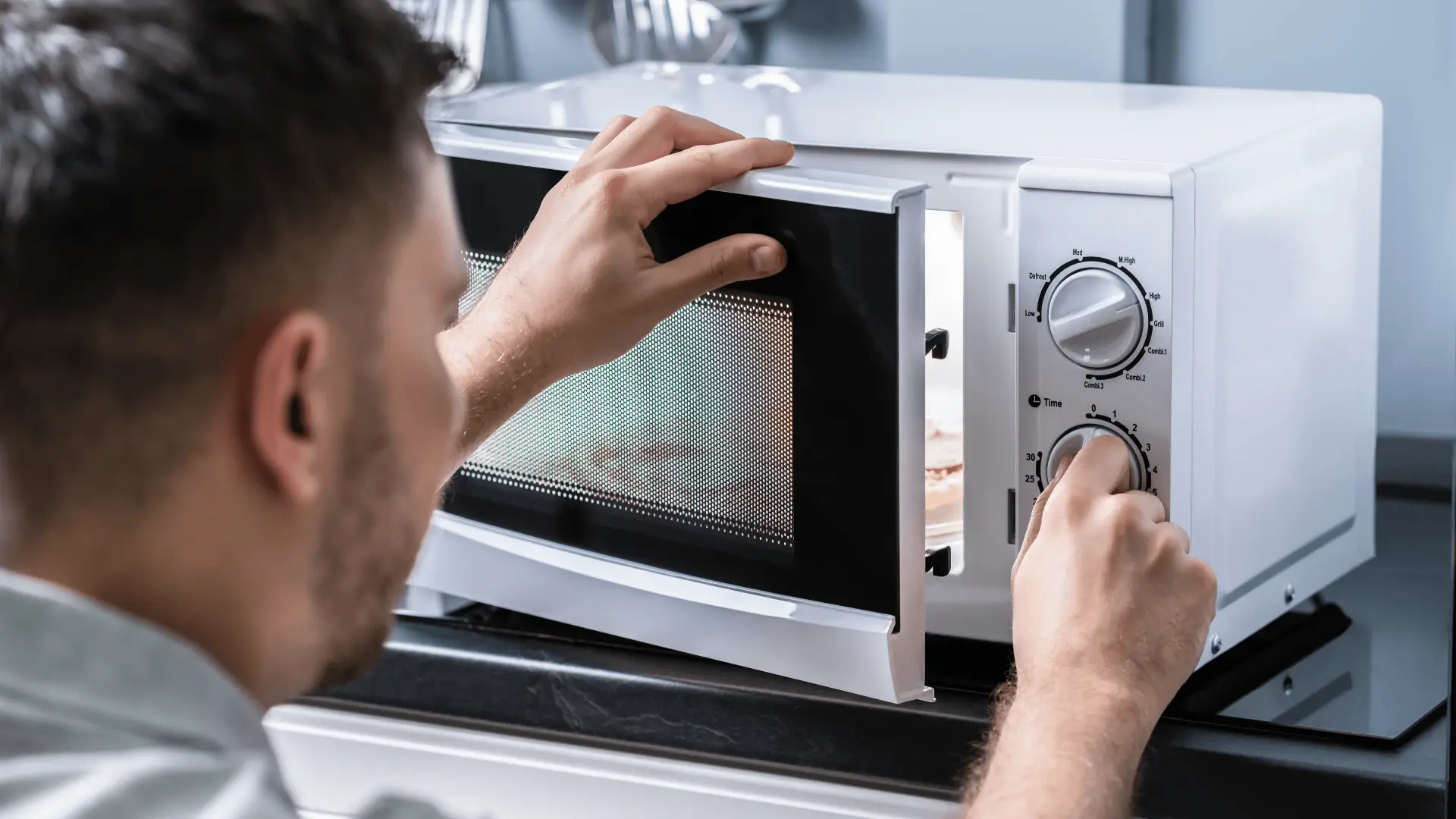
Some appliance repairs are simple enough to handle on your own.
Replacing a refrigerator water filter, unclogging a dishwasher drain, or swapping out a dryer belt are tasks most homeowners can manage with basic tools and an online tutorial.
However, anything involving gas lines, electrical components, or sealed systems should always be left to a licensed technician.
DIY repairs on complex issues can void warranties, cause further damage, or create serious safety hazards.
If you’re unsure about the repair, calling a professional is always the safer and more cost-effective choice in the long run.
How to Extend Appliance Lifespan?
Maintaining your appliances takes little time or money, yet a few simple habits can extend their life and prevent costly repairs.
- Clean the Coils Regularly: Dust buildup forces the refrigerator to work harder, raising energy use and wear.
- Replace Filters on Schedule: Clogged filters strain the system and reduce appliance performance over time.
- Avoid Overloading Machines: Exceeding capacity puts stress on motors and drums, leading to faster breakdowns.
- Check Door Seals and Gaskets: Worn seals on refrigerators and ovens reduce efficiency. Inspect and replace them as needed.
Staying on top of these basics goes a long way. Most appliance issues that lead to costly repairs start as small, preventable problems that were simply overlooked.
<h
That’s a Wrap
>When it comes to repairing vs. replacing appliances, there’s no single answer that works for every situation.
The right choice depends on the unit’s age, the cost of the repair, its efficiency, and its recent repair history.
In most cases, following the fifty percent rule and checking the appliance’s age will point you in the right direction.
Catching small issues early and keeping up with basic maintenance also goes a long way. Having a clear framework makes the decision much less overwhelming the next time an appliance acts up.