Hiring the wrong HVAC contractor during a renovation can cost you thousands in comfort problems you cannot see right away. Oversized equipment, sloppy ductwork, and skipped permits often look fine on day one, then fail when summer hits. If you want the job done right, you need more than a business card and a handshake.
A good contractor will not be offended when you ask questions. In fact, the best ones expect it. Here is how to vet a licensed HVAC pro before you sign anything.
Start With The State License Number
Every legitimate HVAC contractor should have an active state license number. Do not just take their word for it. Ask for the number and verify it through your state’s licensing board website.
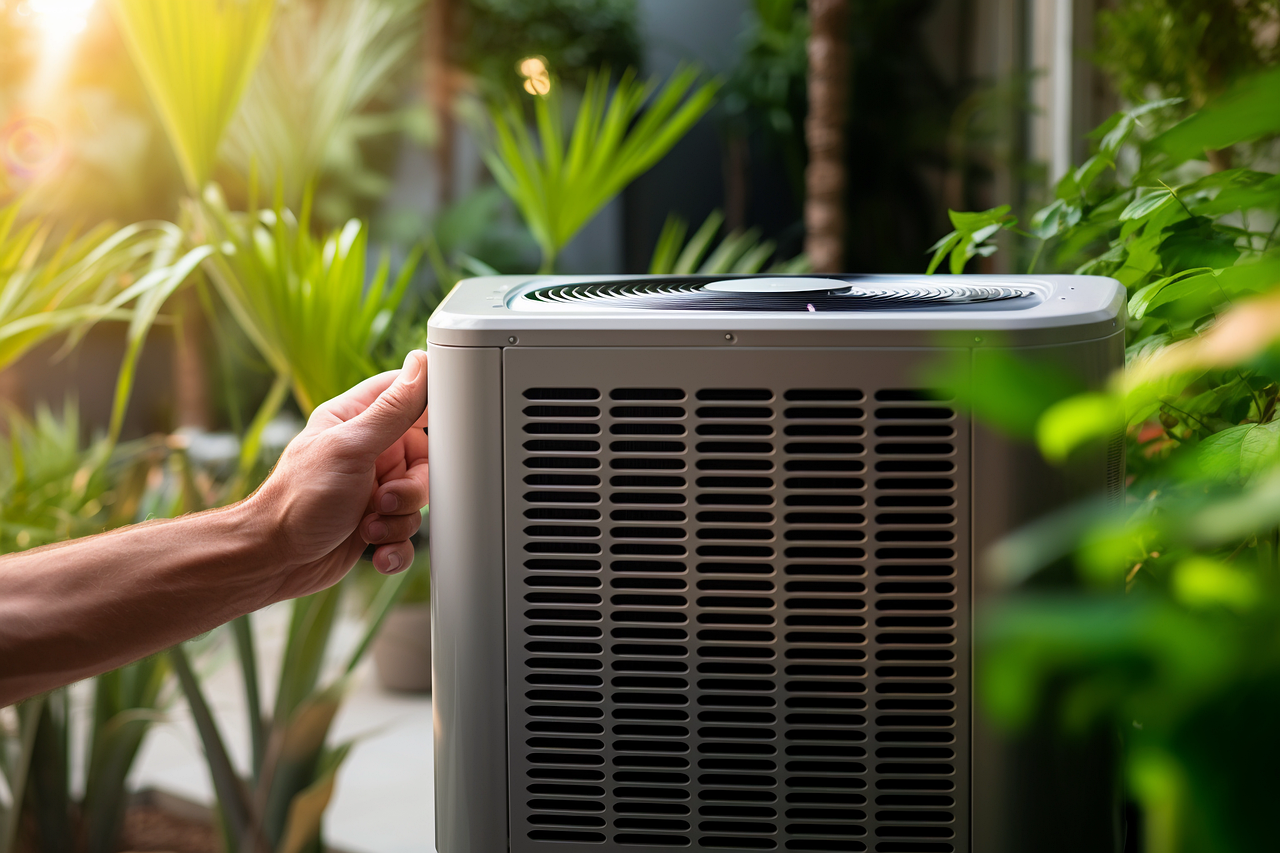
According to guidance from the U.S. Environmental Protection Agency, technicians handling refrigerants must meet federal requirements, and many states also require separate contractor licensing. That matters to you because licensing typically requires exams, background checks, and proof of experience. It weeds out people who woke up yesterday and bought a van.
When homeowners choose a contractor with a verified HVAC license, they often notice fewer callbacks and fewer “mystery” problems after installation. Properly licensed pros understand load calculations, airflow, and code compliance, not just how to swap boxes.
Confirm EPA 608 And NATE Certifications
Licensing and certification are not the same thing. A license allows a contractor to operate legally in your state. Certifications prove technical competency in specific areas.
The EPA requires Section 608 certification for anyone who handles refrigerants. The EPA Section 608 program outlines the testing and compliance standards technicians must meet. If your contractor cannot show proof, that is a red flag.
NATE certification is another strong signal. North American Technician Excellence requires technicians to pass rigorous specialty exams to earn credentials. While not legally required in every state, it definitely shows commitment to doing the job right.
When someone invests the time in earning certifications, it usually shows in their work habits. They measure, test, and verify instead of guessing.
Ask For A Manual J Load Calculation
If a contractor says, “We will just replace it with the same size,” pause the conversation. Renovations change insulation levels, windows, and airflow patterns. The old size may no longer be correct.
Manual J is the nationally recognized method for calculating heating and cooling loads. The Air Conditioning Contractors of America sets the standard for these calculations. A proper load calculation considers square footage, insulation values, window orientation, and more.
This step directly affects your comfort and utility bills. An oversized system can short-cycle, leaving humidity behind. An undersized one will run constantly and still struggle.
Ask to see the numbers. A reputable contractor should be willing to explain how they arrived at the equipment size.
Verify Insurance Permits And References
Even skilled technicians can make mistakes. That is why insurance matters. Ask for proof of general liability and workers’ compensation coverage before work begins.
Permits are another checkpoint. If your contractor says a permit is unnecessary for a full system replacement, confirm that with your local building department. Skipping permits can create resale issues and safety risks.
Before signing, request recent references. Then actually call them. Ask about communication, cleanup, and whether the system performs as promised.
Here is a simple pre-signing checklist:
- Verify the state license number through the licensing board
- Confirm EPA 608 and any specialty certifications
- Request proof of insurance and permit plan
Red Flag Questions To Ask Before Signing
Good contractors welcome smart questions. Weak ones get defensive or vague.
Ask how they will size the equipment. Ask who will pull the permit. Ask what testing will be done after installation.
Pay attention to the answers and the tone. A professional who explains airflow testing and startup procedures in plain language usually takes pride in the craft.
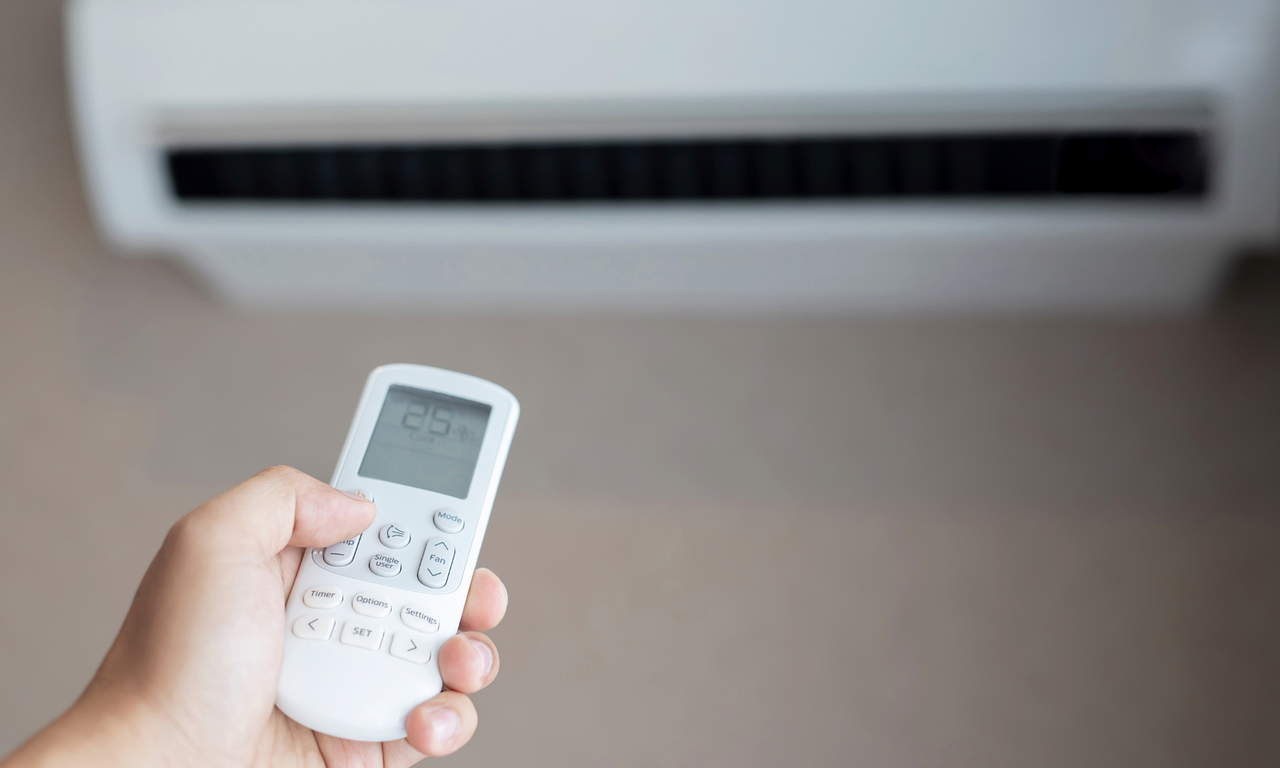
Why Licensing Standards Matter More Than You Think
There is a real difference between someone who swaps equipment and someone trained in building science. Earning an HVAC license requires exams, verified field experience, and meeting state standards.
Homeowners who choose properly licensed pros often see smoother inspections, fewer warranty issues, steadier temperatures, and balanced airflow because solid training consistently shows up in everyday performance and long-term system reliability.
Choose Confidence Over Guesswork
Renovations are stressful enough without second-guessing your HVAC system. Taking the time to verify licensing, certifications, load calculations, and permits gives you clarity before the first tool comes out.
If you are unsure about a contractor’s credentials, ask for documentation and verify them yourself. A reputable company will respect that. If you still have questions about what separates a qualified pro from a risky hire, reach out to a trusted HVAC professional in your area or start the conversation in the comments.