Off-road driving is very different from everyday driving on paved roads. Trails, rocky paths, muddy tracks, and sandy areas all require a certain control, as varying conditions place unique demands on a vehicle. Features like suspension systems may get the most attention, but it’s the tires that actually touch the ground. In fact, in low-speed, high-torque situations, they influence how well a vehicle performs.
In terms of tire performance, size is one of the most important factors to consider. Tire size can determine ground clearance, traction, and stability on rough terrain. For those researching tire options online, knowing how tire size affects a vehicle’s off-road capability can make it easier for them to choose a set that suits both adventure and everyday driving.
Trails Are Rarely Without Obstacles
Off-road trails have rocks, fallen branches, and uneven surfaces that break the speed of an oncoming vehicle. To pass over these obstacles without scraping the underside, vehicles need enough ground clearance.
Slightly larger tires can raise the vehicle higher off the ground, which increases the space between the vehicle and the ground. Even a small increase in height can help a vehicle move over easily and the parts underneath, like the differential or suspension components, remain largely unaffected.
Loose Surfaces Make It Hard for Tires to Grip the Ground
Unlike on-road driving, where asphalt offers excellent traction, off-road driving takes place on surfaces that have sand, mud, gravel, and dirt that make it difficult for tires to maintain grip on the ground. Tire size plays a role here because it affects the tire’s contact patch, which is the area touching the ground. A wider tire means the vehicle’s weight will be spread across a larger surface area, helping it maintain grip on loose terrain.
While driving on gravel roads or climbing uneven trails, that additional surface contact can make the vehicle feel more stable. Tire width, tread pattern, and proper air pressure all work together to help maintain traction when the ground conditions are less than ideal.
Not All Sidewalls Can Handle Rough Terrain
Your vehicle’s undercarriage is not the only thing you should concern yourself with; you have to think about the tire’s sidewall, too. When you drive on rocky terrain, the tires are constantly under pressure as they roll over uneven ground. Tires that have relatively taller sidewalls can flex more easily when they encounter obstacles in their path. This flexibility allows tires to adapt to the terrain rather than bounce off it. As a result, tires are able to maintain better contact with the ground, improving grip and ride comfort throughout your trip.
Sidewall flexibility also absorbs some of the impact from sudden bumps. Instead of transferring the impact to the vehicle’s suspension, the tire provides a small amount of cushioning, which can make off-road travel smoother and more controlled.
Choosing a Tire Size That Fits Your Driving Style
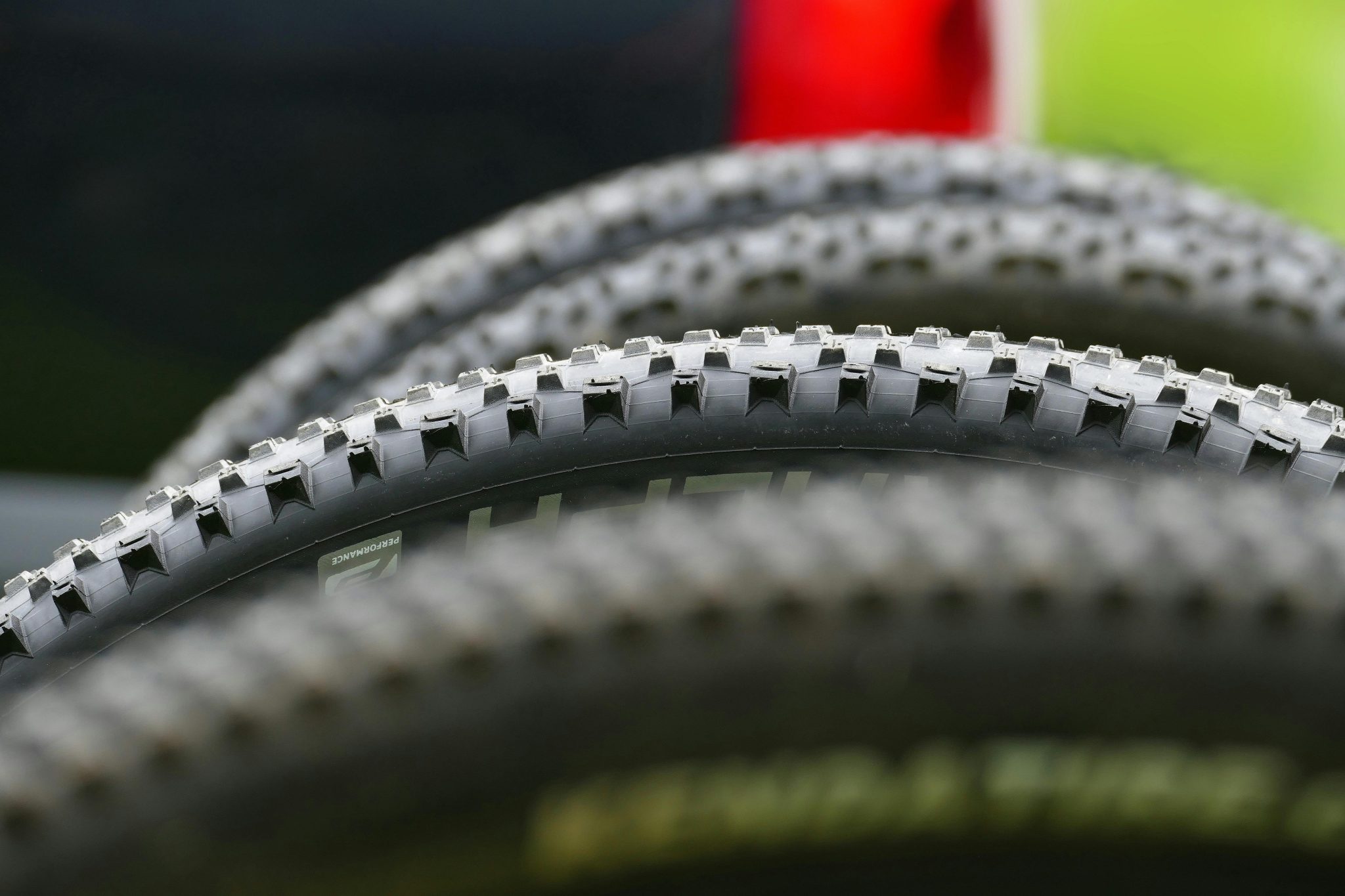
There is no single tire size that works best for every off-road vehicle. Your selection should be guided by the type of terrain you will be driving on and how often you will be driving off-road. Some drivers spend most of their time on gravel roads or forest trails, while others regularly drive down rocky paths or muddy tracks.
Understanding how tire width, diameter, and sidewall height affect performance can help you pick the right size. A size like 265/65R17 is often chosen by off-road enthusiasts because it provides optimal support with sufficient ground clearance and grip for their adventures.
Here are some other popular tire sizes that suit off-road driving:
- 265/70R17
- 275/65R18
- 285/70R17
Gearing Up for an Off-Road Adventure?
When preparing for an off-road adventure, tire size deserves as much attention as any other component. Therefore, a practical choice, such as 265/65R17 tires, can help a large vehicle like an SUV handle obstacles on unpredictable terrain more easily.
Moreover, the use of proper tires also protects your vehicle’s suspension. SUV and crossover owners, if you’re planning an off-road adventure, take a good look at your tires. If they look like they could use a change before you set off on your adventure, now is when you should get them replaced.