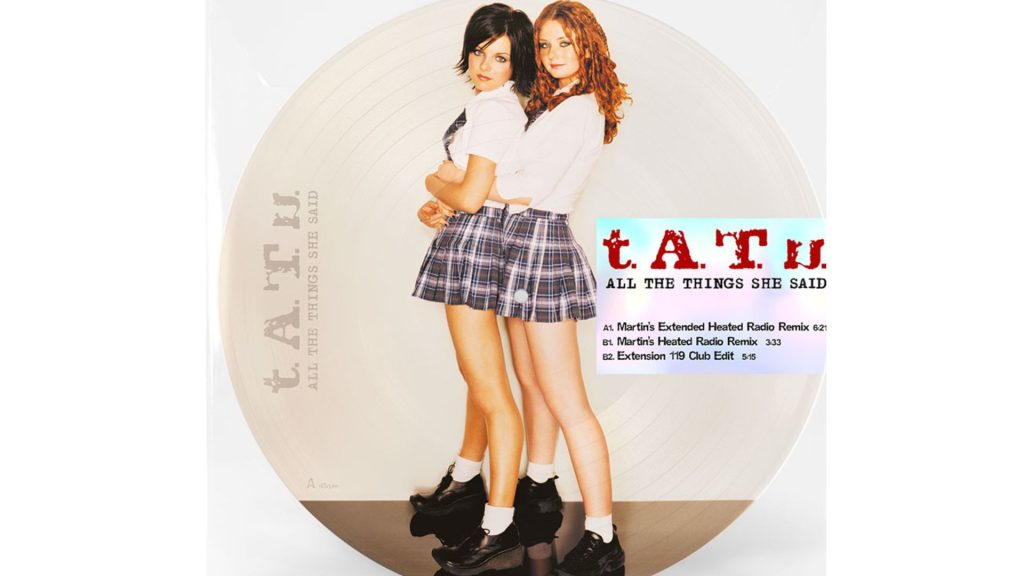
The house lights pop on at London’s 250-cap Camden Assembly, and the crush around the battered merch table is instant. A laminated QR code leans against a stack of fresh 7-inches; one scan opens the band’s TikTok Shop carousel.
Two teens prop phones on iced pints to film “haul” clips while the drummer, still sweating from the encore, prints EU shipping labels in a closet backstage. By the time the queue thins, orders have pinged in from Madrid, Manchester, and Manila.
Welcome to 2026, where band merch is no longer a souvenir stand—it’s a lightweight direct-to-consumer (DTC) business that spans three checkout contexts: the venue table, a perpetual web-store, and the algorithm-fueled impulse engine of TikTok Shop and Instagram.
Artists who treat those channels like real retail—not an afterthought—are nudging take-home income up by double digits.
As Byron Chen, Marketing Manager at Dear-Lover, a global women’s fashion wholesaler supplying boutiques in more than 160 countries, said, “Most bands treat their first webstore like a digital merch table: one or two generic tees, no sizing data, and shipping as an afterthought. That’s the fastest way to disappoint fans abroad and kill repeat purchases.”
So what does good merch look like to a Gen Z fan raised on Shein hauls, dropship unboxings and buy-now-pay-later widgets? And how are working bands—without Beyoncé-level budgets—meeting those expectations?
Let’s map the money flows, the psychology and the un-glam mechanics.
The new merch map: where the money actually flows
Three buying contexts now compete (and overlap):
- Venue table – Emotional post-show high, constrained by cash on hand and suitcase space. Median basket: £30.
- Band web-store – Considered shopping for bundles, back catalogue vinyl and limited prints. Median basket: £55.
- TikTok/Instagram Shop – Algorithm-driven impulse. Price ceiling hovers around £40; volume can dwarf a midweek club date.
Fifty-eight percent of TikTok users make purchases through TikTok Shop. TikTok tied Instagram as the top social-shopping app for US Gen Z adults.
In 2023, merch was 80% venue, 15% web, 5% social. This year it’s closer to 50/25/25—and the social chunk is growing every drop.
What Gen Z thinks is “good merch” now
Gen Z fans treat shirts like streetwear: wearable anywhere, design-led, and limited. Scarcity and fashion value outrank giant tour-date prints. Payment flexibility matters too—Klarna and Afterpay buttons at checkout are table stakes.
TikTok’s 71.2% shoppers buy the moment they stumble on an in-feed product.
London fan Maya Singh explains why she grabbed a corduroy work shirt from a synth-pop trio: “It could pass for vintage Carhartt—unless you spot the tiny lyric tag. I can wear it to college without screaming I’m a stan.”
Think like a boutique, not a souvenir stand
Open-pack, low-MOQ thinking—common in fashion wholesale—lets boutiques test micro-trends fast. Bands can steal the model. Night Arcade ran three capsule drops of fifty units each: an everyday-wear tee, a workwear overshirt, and a recycled-cotton tote. The overshirt sold out in 48 hours; a second run was reordered within 72 hours.
“TikTok Shop has trained Gen Z to expect constant novelty at accessible price points,” Chen added. The platform’s analytics dashboard shows sell-through velocity hour-by-hour, effectively turning merch into a live product lab.
Logistics, shipping & reality checks

Margins evaporate if that tote weighs down an overseas parcel. Chen urges a one-hub-plus-satellite model: primary warehouse in the band’s home region, secondary partner once sales justify it, and a catalog biased toward light, high-margin SKUs.
Earnest Analytics found 27% of TikTok Shop buyers repeat-purchase within five months, but only when delivery windows match ASOS-speed expectations. Night Arcade cut EU returns time from 21 to 7 days by switching to a UK fulfilment partner.
Checklist for DIY teams:
- Test designs with print-on-demand or open-pack suppliers before committing.
- Publish size charts, fit photos and fibre blends; fans expect fashion-brand detail.
- Use duty calculators at checkout; nasty import bills torch loyalty.
Turning Raw Numbers Into Repeatable Revenue
Merch no longer lives on instinct; the real edge comes from reading the dashboards that every major platform now hands artists for free. TikTok Shop, Shopify, and even Square readers at the venue table surface the same three gold-mine signals:
- first-hour sell-through velocity
- add-to-cart abandonment points
- postcode heat maps.
A quick nightly export—CSV or Google-Sheet sync—shows which graphics trigger impulse buys, which sizes stagnate, and which cities are suddenly hoodie-mad despite a July heat wave.
Armed with that data, a manager can pull two high-leverage levers before the next show: shift open-pack reorders toward the fastest-moving SKUs and pre-tag region-specific TikTok clips with the products likeliest to convert there.
The change needn’t be huge; Dear-Lover’s own wholesale clients often see 15–25%margin lifts by reallocating just one carton in ten.
If your spreadsheet can’t explain tomorrow’s restock, you’re still guessing. Treat every drop as a micro-experiment: tweak price by £2, swap blank colours, test a recycled fabric, then watch the graphs.
Over a six-week tour, those iterative nudges stack into meaningful, predictable income—no viral miracle required.
Looking ahead: 2026–2027 merch playbook for working bands
- Drop cadence: Story-led capsules every 6–8 weeks backed by short-form video narratives.
- Tight core line: Evergreen basics (logo beanies, neutral hoodies) always in stock.
- Fan-friendly policies: Clear returns, tracked shipping, and buy-now-pay-later at every touch-point.
- Analytics as R&D: Treat TikTok conversion data as a focus group; double down on silhouettes or graphics that spike in the first 72 hours.
Conclusion
Back at Camden Assembly, the house PA cuts, and the band loads gear into a rust-scarred van. As they pull away, phones ping again—another dozen TikTok Shop orders, worth more than the door split, need packing by morning.
Merch has become the connective tissue between sweaty clubs and global fandom, and the bands who embrace that reality are no longer selling souvenirs; they’re running micro fashion labels in real time.