
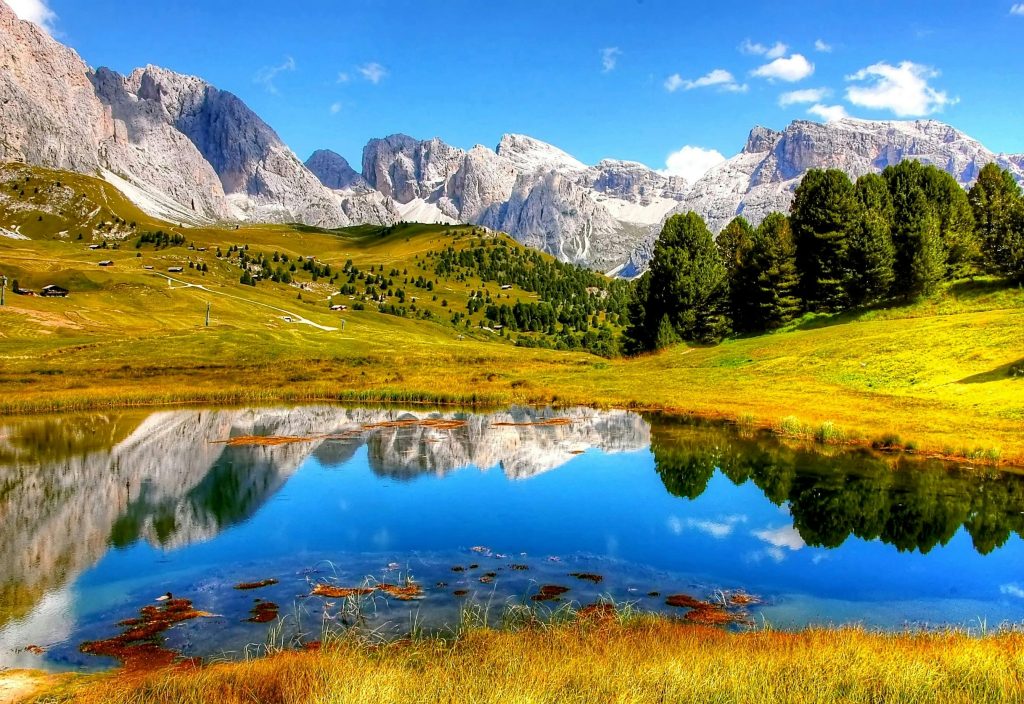
The Dolomites are one of Europe’s most visually striking mountain ranges, defined by jagged limestone peaks, alpine meadows, and crystal-clear lakes. Whether you’re planning a multi-day trek or scenic day hikes, preparation is key sturdy boots, weather layers, trail maps, and reliable insulated water bottles to stay hydrated as you climb through changing elevations and shifting temperatures.
Why the Dolomites Are a Hiker’s Dream
Located in northern Italy, the Dolomites offer a unique blend of accessibility and dramatic landscapes. Unlike more remote mountain ranges, this region is supported by well-maintained trails, mountain huts (rifugi), and cable cars that make the terrain approachable for various experience levels.
The scenery changes rapidly. One moment you’re walking through rolling green pastures, and the next you’re ascending toward pale rock towers glowing pink in the early morning light a phenomenon known as enrosadira.
Iconic Hikes to Consider
If you’re new to the Dolomites, start with these well-known routes:
- Tre Cime di Lavaredo Loop: A moderate circular hike offering close-up views of the region’s most iconic peaks.
- Lago di Braies: A relatively easy lakeside walk with turquoise waters reflecting towering cliffs.
- Seceda Ridgeline: Accessible by cable car, followed by panoramic hiking trails above dramatic drops.
For experienced trekkers, the Alta Via routes offer multi-day adventures connecting alpine huts across remote terrain.
Mountain Huts and Alpine Culture
One of the most distinctive features of hiking in the Dolomites is the rifugi system. These mountain huts provide meals, overnight accommodations, and shelter for hikers traveling long distances.
Even day hikers often stop at rifugi for espresso and traditional South Tyrolean dishes. The combination of Italian and Austrian cultural influence is evident in architecture and cuisine.
When to Visit
The hiking season typically runs from late June to early October. Snow lingers into early summer at higher elevations, while autumn brings fewer crowds and cooler air.
Weather shifts quickly in the mountains. Clear mornings can give way to afternoon storms, making flexibility essential.
Why the Dolomites Feel Different
The Dolomites combine raw natural drama with accessibility and comfort. Trails are clearly marked, yet the landscapes feel wild and untouched.
It’s a region that rewards preparation and patience where each climb delivers sweeping views that feel almost cinematic.