
Outdoor spaces have long played a role in daily life, but their purpose has shifted significantly over time. What were once purely functional areas used for work, storage or access have gradually become places designed for relaxation, entertainment and connection. Today, gardens, patios, terraces and shared outdoor environments are often at the centre of social life, reflecting both cultural changes and evolving priorities in how people live.
From Practical Grounds to Shared Environments
Historically, outdoor areas were largely practical. In rural settings, the land surrounding the home was used for growing food, housing animals or carrying out manual tasks. While these areas were important, they were not necessarily designed with comfort or social interaction in mind.
Over time, however, outdoor spaces began to take on a more social role. As homes became more structured and communities developed, people started using outdoor areas for gatherings, meals and celebrations. These spaces provided room to host events that might have been impractical indoors, especially in warmer seasons or in homes with limited interior space.
The openness of outdoor environments also made them naturally suited to social interaction. People could gather more freely, move comfortably and enjoy a shared atmosphere that felt less confined.
The Influence of Architecture and Design
Architecture has played a significant role in shaping outdoor social spaces. Features such as courtyards, verandas and terraces were intentionally designed to bring people together. These areas created transitional zones between indoors and outdoors, encouraging interaction while still offering comfort and shelter.
As homes evolved, outdoor spaces became more intentional in their design. Instead of being leftover or unused areas, they were carefully planned to serve specific purposes. Seating areas, pathways and defined zones made outdoor environments feel more organised and inviting.
This shift reflected a growing understanding that the environment itself influences behaviour. When outdoor spaces are thoughtfully designed, people are more likely to use them regularly and socially.
The Rise of the Garden as a Social Setting
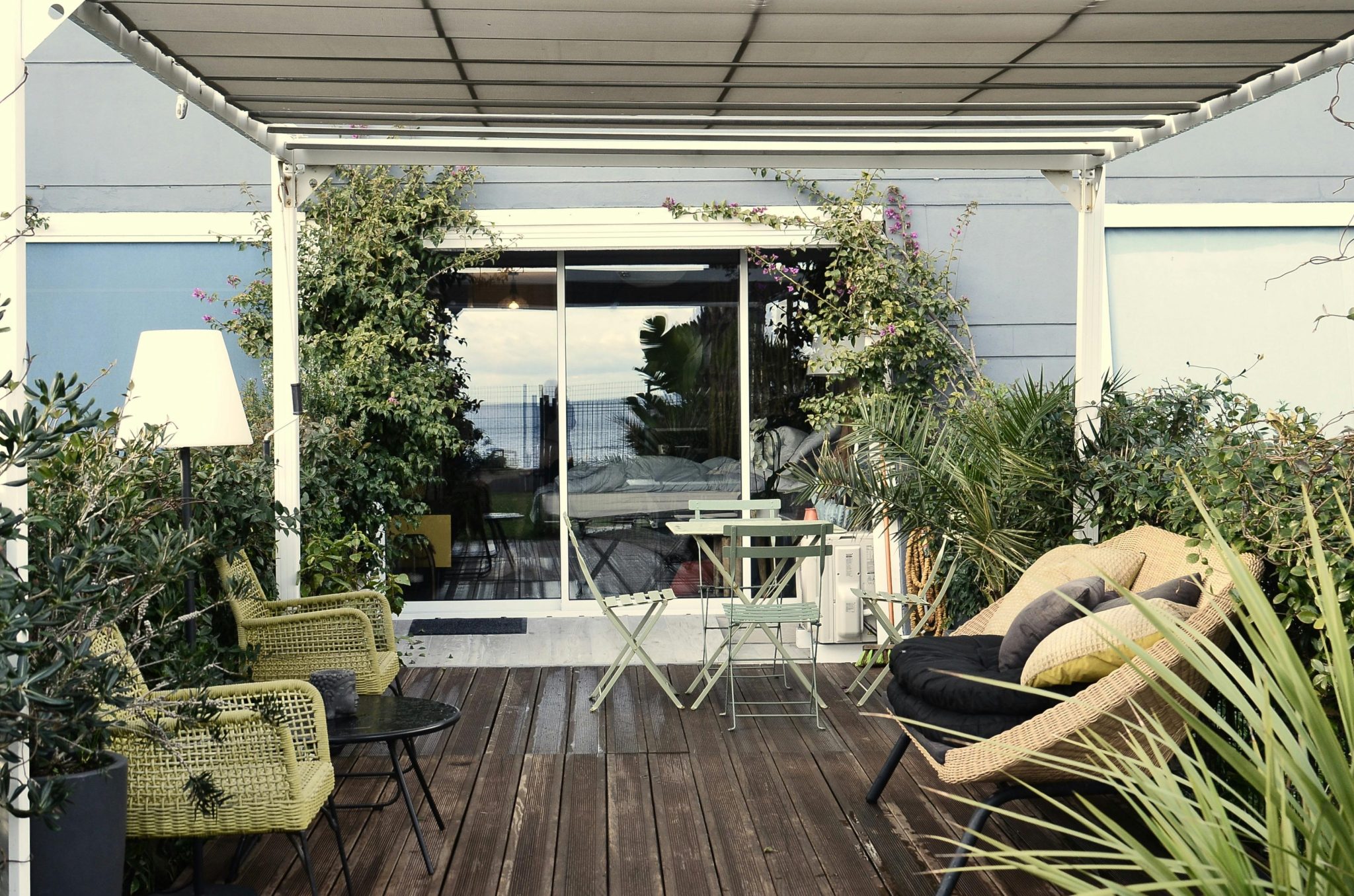
Gardens, in particular, became important social environments. Once valued primarily for growing plants or displaying wealth, they gradually became places for leisure and hospitality. Families began hosting guests outdoors, sharing meals and spending time together in the fresh air.
Gardens offered a sense of freedom that indoor spaces could not always provide. Children could play, adults could relax and guests could move comfortably without the restrictions of walls or ceilings. This flexibility made gardens ideal for gatherings of all sizes.
As gardening itself became a popular pastime, people invested more effort into making their outdoor spaces attractive and enjoyable. This encouraged even more social use, as inviting environments naturally draw people in.
Modern Living and the Extension of Indoor Comfort
In recent years, outdoor spaces have increasingly been treated as extensions of the home. Rather than feeling separate, they are designed to complement interior living areas. This approach creates continuity, making outdoor environments feel like natural places to spend time.
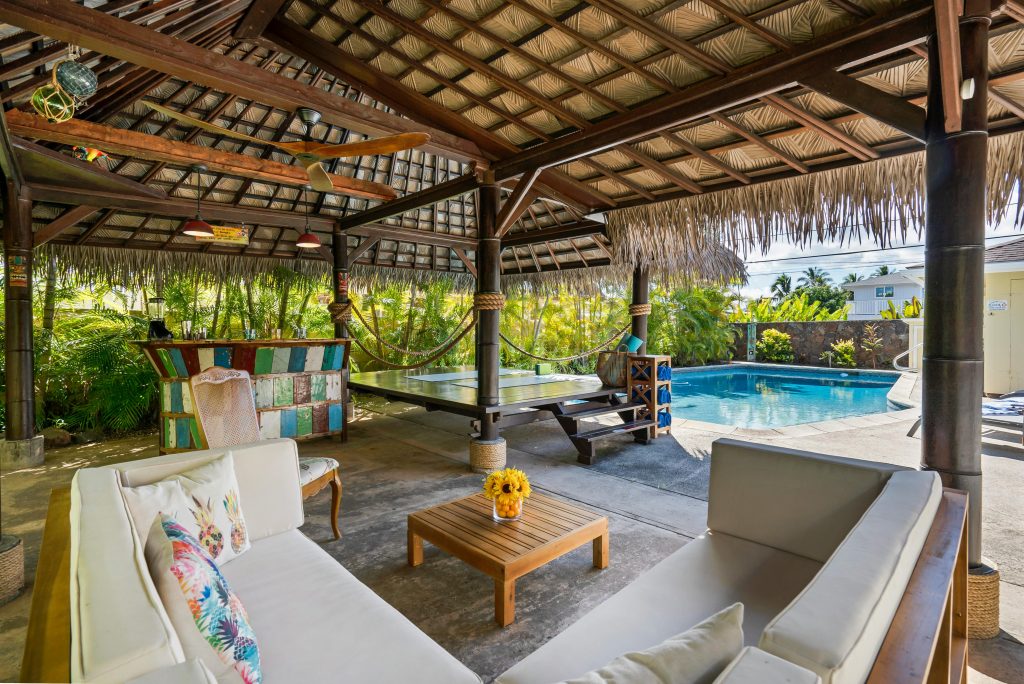
Furniture, lighting and layout all contribute to this effect. Comfortable seating allows people to relax for longer periods, while thoughtful arrangements encourage conversation. Outdoor dining areas, fire pits and sheltered spaces allow gatherings to continue regardless of the weather or time of day.
Materials also influence how welcoming an outdoor space feels. Surfaces that are durable, visually appealing and pleasant underfoot help create an environment people want to use. For example, incorporating natural stone paving can help create a solid, attractive foundation that makes patios and terraces feel more permanent and intentional, encouraging regular use.
The Psychological Benefits of Outdoor Socialising
Outdoor spaces offer psychological benefits that naturally encourage social interaction. Open environments reduce feelings of confinement, helping people feel more relaxed and at ease. Fresh air, natural light and greenery all contribute to improved mood and comfort.
When people feel comfortable, they are more likely to stay longer and engage more deeply with others. Outdoor environments also allow for more casual interaction, reducing the pressure that can sometimes exist in formal indoor settings.
The sensory experience of being outdoors – the sounds, textures and changing light – creates a richer atmosphere that enhances social experiences. These elements help turn simple conversations into memorable moments.
Changing Lifestyles and the Value of Connection
Modern lifestyles have increased the importance of outdoor social spaces. As daily routines become more structured and technology occupies more of people’s attention, outdoor environments provide an opportunity to slow down and reconnect.
People increasingly seek spaces where they can host friends, spend time with family or simply relax without distraction. Outdoor areas offer flexibility, allowing for both quiet reflection and lively gatherings.
The desire for balance has encouraged homeowners to invest more in their outdoor environments, recognising their value not just as visual features but as essential parts of everyday living.
Community and Shared Outdoor Spaces
Beyond the home, shared outdoor environments continue to play a vital social role. Parks, courtyards and communal gardens provide opportunities for people to interact with neighbours and build relationships.
These shared spaces create a sense of belonging and community. They offer neutral environments where people can gather naturally, without the formality of organised events.
Even small outdoor areas can have a significant impact. A simple seating area or well-designed courtyard can encourage conversation and connection, strengthening social ties over time.
The Lasting Importance of Outdoor Social Spaces
Outdoor spaces have evolved from purely functional environments into essential social settings. They reflect changes in lifestyle, design and cultural values, highlighting the importance of connection and shared experience.
By creating comfortable, attractive and welcoming outdoor environments, people have transformed these areas into places where memories are made and relationships grow. Whether in private gardens or shared community spaces, outdoor areas continue to serve as powerful centres of social life.
As people continue to seek balance, comfort and meaningful connection, outdoor spaces will remain some of the most valuable and widely used social environments available.