

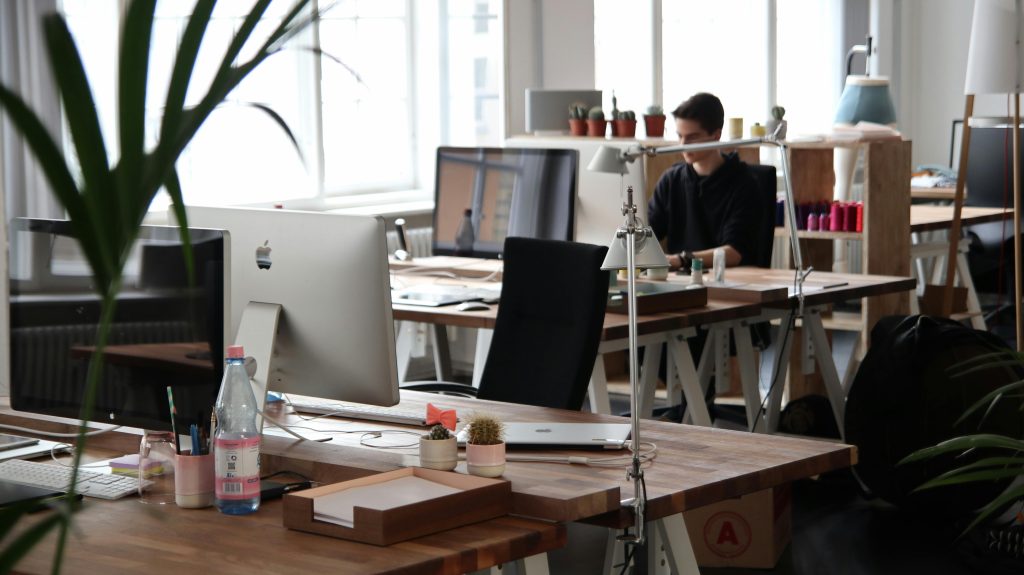
When your business is just starting, the office often reflects your modest beginnings: a small team, limited resources, and a flexible workspace that serves multiple purposes. However, as your startup grows into a mid-sized company and eventually an enterprise, the demands on your office environment change dramatically. What worked for a team of five may no longer support a team of fifty or five hundred. Creating an office that can scale with your business is not just about expanding square footage—it’s about designing a flexible, efficient, and inspiring environment that evolves with your organizational needs.
The transition from startup to enterprise requires foresight. Every decision, from furniture choices to layout planning, can either facilitate growth or create bottlenecks. Business leaders, workplace designers, and human resources professionals increasingly recognize the impact of office design on productivity, employee satisfaction, and even talent retention. Studies from organizations like the Society for Human Resource Management (SHRM) and the International Facility Management Association (IFMA) underscore that a well-structured workspace can improve collaboration, reduce stress, and enhance overall performance.
Designing for Flexibility and Growth
Scalability in office design begins with flexibility. In a startup environment, workstations might be temporary, multipurpose, or even borrowed from home setups. As the team grows, these arrangements can become inefficient, creating distractions and workflow bottlenecks. A scalable office prioritizes modular solutions—furniture and layouts that can be easily reconfigured as team structures and work styles evolve.
For example, investing in versatile furniture like modular desks, movable partitions, and ergonomic chairs ensures that individual workspaces can be adapted without significant renovations. A growing trend in office planning is the use of multi-functional zones: areas that can serve as collaborative hubs, meeting spaces, or quiet workstations depending on current needs. This approach not only maximizes the utility of limited space but also allows for seamless transitions as new departments or teams are introduced.
Additionally, digital infrastructure must scale alongside physical space. High-speed internet, secure network configurations, and integrated communication tools form the backbone of a productive modern office. Ensuring that the IT framework is future-proofed can prevent costly disruptions and downtime as your team expands.
Optimizing Workflow with Strategic Layouts

The layout of an office significantly influences how employees communicate and collaborate. In a small startup, an open floor plan might suffice, allowing everyone to share ideas freely. But as headcount increases, this layout can become chaotic, leading to noise distractions and reduced productivity. Larger organizations benefit from a hybrid approach: open spaces for collaborative work, enclosed areas for focused tasks, and designated meeting rooms for formal discussions.
One of the simplest yet most effective tools for optimizing workflow is desk arrangement. Thoughtfully designed workstations help streamline processes, minimize distractions, and support ergonomic health. For businesses scaling up, incorporating functional desk options is critical. Options like L-shaped office desks provide ample surface area for dual monitors, paperwork, and personal organization, while fitting neatly into corners to maximize floor space. By linking l shape office desks within your office design strategy, you can maintain a clean, professional environment that supports both individual focus and team interaction.
In addition to individual workstations, consider the flow of traffic and proximity of teams that frequently collaborate. Departments that rely on constant interaction should be situated near each other, while quieter or confidential operations may require some separation. Effective planning reduces wasted time, enhances communication, and fosters a sense of cohesion across the organization.
Creating a Culture-Focused Environment
Office design extends beyond functionality; it is a reflection of your company culture. A scalable workspace should embody your values and support the behaviors you want to encourage. For startups, culture is often informal, driven by creativity and agility. As the business grows, preserving this ethos becomes more challenging but no less important.
Open communal areas, breakout rooms, and collaborative lounges help maintain a sense of community. Integrating elements such as natural lighting, greenery, and artwork can enhance well-being and productivity, echoing findings from workplace studies by institutions like Harvard Business Review and Cornell University’s Center for Applied Human Sciences. These environmental factors are particularly valuable in larger offices, where employees may otherwise feel disconnected.
Attention to inclusivity and accessibility is essential. Scalable office environments should consider ergonomic diversity, accommodations for mobility challenges, and spaces that cater to various work styles. Such design decisions signal to employees that their comfort and needs are a priority, which in turn supports retention and engagement.
Planning for Future Expansion
A truly scalable office anticipates growth, not just in terms of personnel but also business operations and technology needs. When designing new spaces or renovating existing ones, consider the long-term trajectory of your company. Can conference rooms accommodate larger client meetings? Are power outlets and network ports sufficient for future hardware expansions? Will storage solutions meet the increasing volume of documents and equipment?
Investing in modular furniture and adaptive layouts is a cost-effective strategy. Movable walls, stackable chairs, and reconfigurable workstations allow the office to evolve without extensive construction. Similarly, standardized desk systems like L-shaped configurations support both individual work and small-team collaboration, reducing the need for constant replacements as your organization grows.
Another critical factor is sustainability. Energy-efficient lighting, climate control, and eco-friendly materials not only reduce operating costs but also align with the growing expectation that businesses demonstrate environmental responsibility. Green certifications, such as LEED, are increasingly regarded as markers of a forward-thinking, scalable enterprise.
The Role of Technology in a Scalable Office
Modern office environments are inseparable from technology. Cloud-based software, collaboration platforms, and integrated communication systems allow teams to operate efficiently across departments and even time zones. As businesses scale, these tools become indispensable for maintaining continuity, managing projects, and ensuring accountability.
Smart office solutions—ranging from automated lighting and climate control to digital booking systems for meeting rooms—can optimize space utilization and improve employee comfort. For enterprises, data-driven insights from these systems inform strategic decisions about office layout, occupancy, and resource allocation. By marrying technology with thoughtful design, companies can create an environment that is both adaptive and future-ready.
Conclusion
Scaling an office environment from a startup to an enterprise is a strategic endeavor that requires careful planning, flexibility, and foresight. It involves more than adding square footage—it demands thoughtful layout design, scalable furniture solutions, culture-conscious spaces, and integrated technology.
A scalable office is a reflection of an organization’s vision. It signals readiness for growth, commitment to employees, and adaptability in an ever-changing business landscape. By prioritizing flexibility, strategic layout, and culture-driven design, companies can build an office environment that not only accommodates expansion but also actively contributes to the success and well-being of the team within it. A well-planned office transforms from a functional necessity into a catalyst for innovation, collaboration, and sustainable growth.