
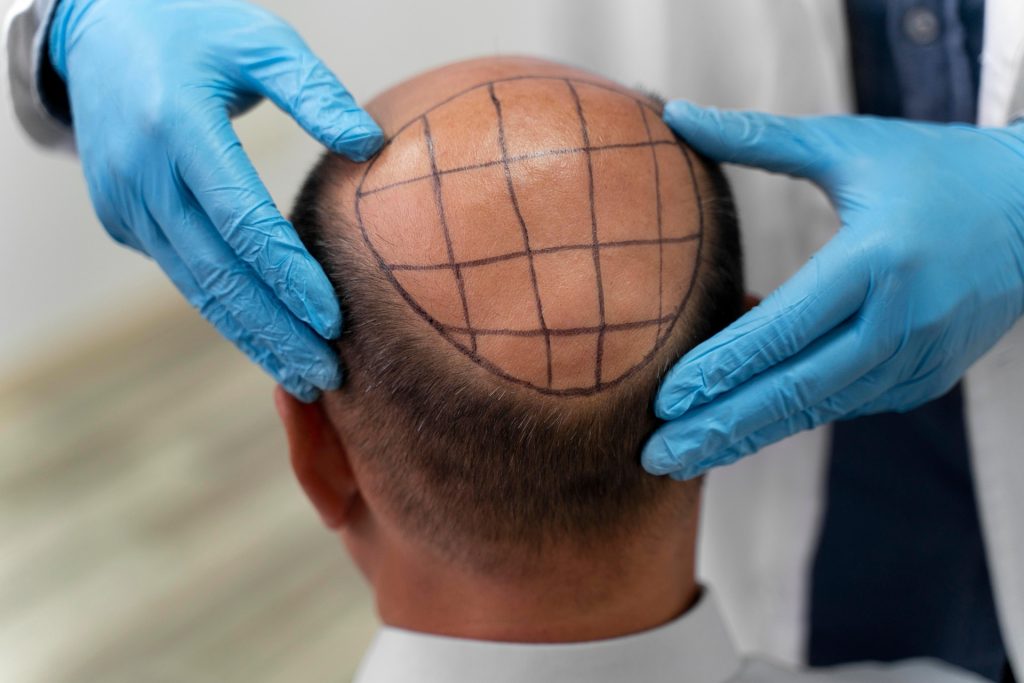
Hair loss affects millions of individuals worldwide, influencing self-esteem, social interactions, and overall confidence. As medical science advances, hair restoration has evolved from rudimentary procedures to highly refined surgical techniques that deliver natural-looking results.
Among these, Follicular Unit Transplantation (FUT) and Follicular Unit Extraction (FUE) have emerged as the most widely recognized hair transplant methods. Understanding the distinctions between these approaches is crucial for anyone considering hair restoration to make an informed choice that aligns with their goals, lifestyle, and medical needs.
What is FUT?
Follicular Unit Transplantation, often referred to as the strip method, is a traditional hair transplant technique with a long history of clinical success. In FUT, a surgeon removes a thin strip of scalp tissue from the donor area, usually at the back of the head, where hair tends to be more resistant to thinning. This strip is then meticulously dissected under a microscope into individual follicular units, which typically contain one to four hairs. These units are then transplanted into the areas experiencing hair loss.
One of the primary advantages of FUT is the ability to harvest a large number of grafts in a single session, making it suitable for patients with extensive balding. Additionally, because the follicular units are dissected under magnification, surgeons can ensure high precision, which often results in excellent growth rates and a natural hairline. However, FUT does involve a linear scar at the donor site, which may be noticeable if the patient prefers very short hairstyles. Recovery from FUT may also require a slightly longer period due to the nature of the incision and suturing process.
What is FUE?
Follicular Unit Extraction represents a more modern approach to hair transplantation. Unlike FUT, FUE involves removing individual follicular units directly from the donor area using a specialized punch tool. These units are then transplanted into the recipient area. Because the extraction is done one follicle at a time, there is no linear scar; instead, patients experience tiny, dot-like scars that are generally imperceptible even with short haircuts.
FUE is often favored for its minimally invasive nature and faster recovery times. Patients typically experience less discomfort and swelling compared to FUT. Additionally, FUE provides greater flexibility in harvesting follicles from non-traditional donor areas, such as the chest or beard, which can be valuable for individuals with limited scalp donor hair. Despite these advantages, FUE may require longer surgical sessions if a large number of grafts are needed, and the meticulous extraction process can be more time-intensive.
Key Differences Between FUT and FUE
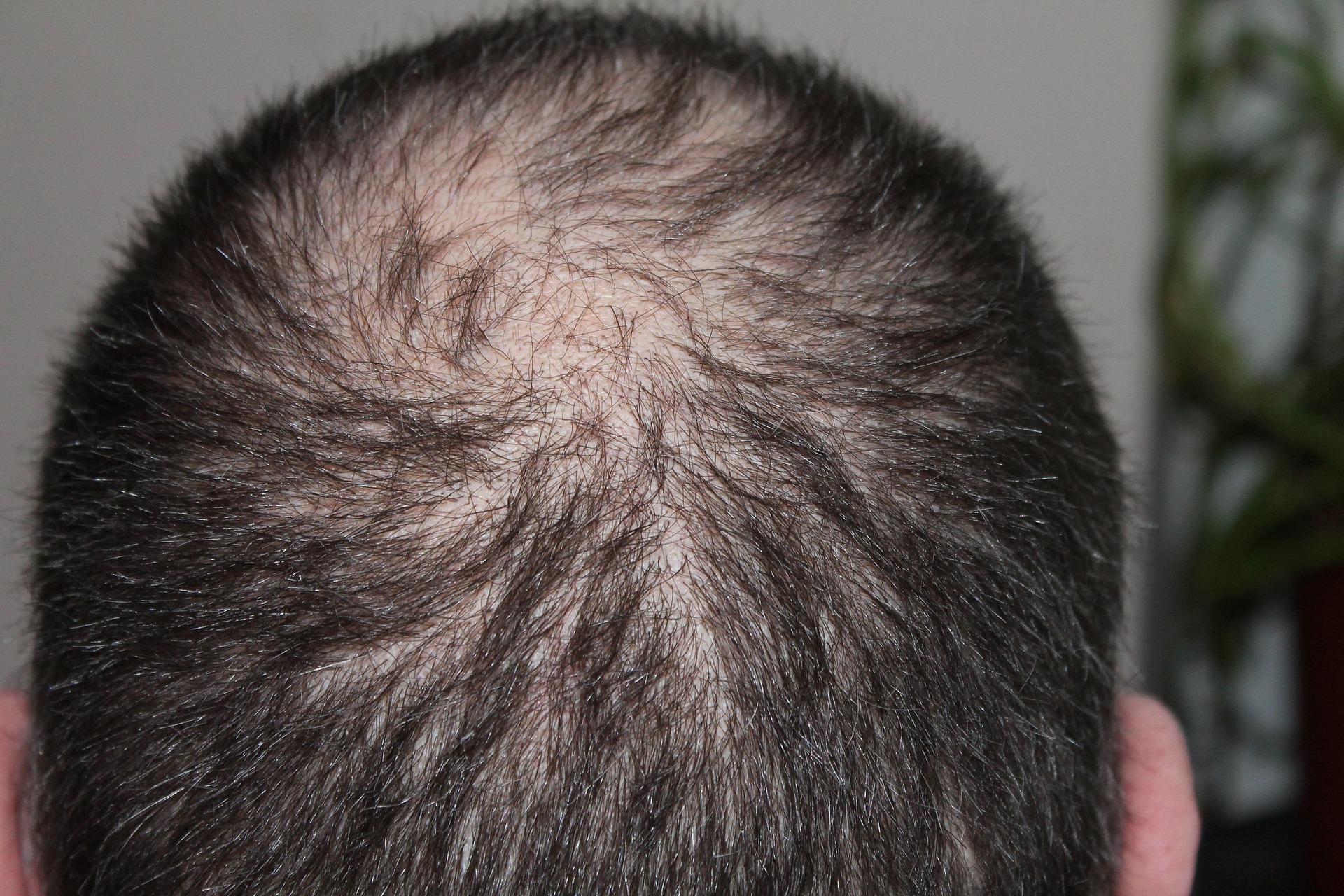
While both FUT and FUE aim to restore hair naturally, their methodologies, recovery experiences, and long-term considerations differ significantly. One of the most noticeable distinctions is the donor area outcome. FUT leaves a linear scar, which can be a consideration for individuals who prefer very short hairstyles. In contrast, FUE produces scattered microscars that are virtually undetectable, allowing for greater styling flexibility.
Another difference lies in the number of grafts that can be harvested in a single session. FUT generally allows for a higher yield of grafts at once, which can be advantageous for patients with extensive hair loss. FUE, although capable of producing excellent results, may require multiple sessions for comparable coverage, particularly in cases of widespread baldness.
Recovery time also varies. FUT patients often require several weeks to fully heal due to the suturing of the donor area, whereas FUE patients may resume normal activities sooner because of the minimally invasive extraction technique. Pain and post-operative discomfort are typically lower with FUE, but both methods carry potential risks, including infection, swelling, and temporary shock loss of transplanted hairs.
Suitability and Personal Considerations
Choosing between FUT and FUE depends on several factors, including the patient’s hair loss pattern, scalp elasticity, lifestyle, and long-term goals. Individuals with advanced hair loss who require a significant number of grafts may find FUT more efficient, as it allows the surgeon to transplant a larger volume in a single session. Conversely, patients who prioritize minimal scarring or wish to maintain a short hairstyle often prefer FUE.
Age, hair texture, and donor hair density are also important considerations. Coarse, thick hair may be easier to extract and implant successfully, while fine or curly hair requires additional expertise regardless of the method chosen. Medical history, including previous scalp surgeries or conditions, can further influence suitability. Consulting with an experienced hair restoration specialist is essential to determine the best approach for an individual’s unique circumstances.
Growth Expectations and Long-Term Outcomes
Both FUT and FUE can produce long-lasting, natural results when performed by a skilled surgeon. Typically, transplanted hairs follow the growth cycle of existing hair, with initial shedding occurring within the first few weeks post-surgery, followed by gradual regrowth over several months. Full results are usually visible between 9 and 12 months after the procedure.
Long-term maintenance may involve additional sessions, particularly if hair loss continues over time. Both techniques rely on the stability of donor hair, often sourced from the back and sides of the scalp, which tends to be resistant to androgenetic alopecia. It is important for patients to have realistic expectations and understand that while transplanted hair is permanent in the treated areas, ongoing care and potential medical treatments may be necessary to manage future hair thinning elsewhere.
Comparing FUT and FUE Methods
For those evaluating options, a direct approach to understanding the differences can be valuable. By comparing FUT and FUE methods, patients can weigh factors such as scarring, recovery time, graft yield, and suitability for their hair type and lifestyle.
Resources from leading hair restoration clinics provide detailed explanations, visual examples, and patient experiences that help clarify what each procedure entails. Informed decision-making ensures that the selected method aligns with both cosmetic goals and practical considerations, ultimately enhancing satisfaction and confidence with the outcome.
Conclusion
Hair restoration is a personal and often transformative journey. Both FUT and FUE offer effective solutions, but the choice depends on a careful assessment of individual needs, hair characteristics, and lifestyle preferences. FUT may be optimal for patients seeking high graft volume in a single session, while FUE offers minimally invasive treatment with negligible scarring and faster recovery.
Engaging with a qualified hair restoration specialist and reviewing evidence-based information is essential for anyone considering these procedures. By understanding the nuances of each technique, patients can make informed decisions that support natural, long-lasting results. Whether opting for the traditional strip method or the modern extraction approach, hair transplant surgery continues to provide reliable outcomes that restore not only hair but also confidence and self-assurance.