

Salt clings to the air along Britain’s shoreline, where chalk cliffs, sweeping sands, and weathered piers form a restless edge between land and sea. From the wild Atlantic swells to gentler eastern shores, the country offers a remarkable variety of coastal scenery within relatively short distances. A well-planned journey along these margins reveals fishing villages, bustling resorts, and quiet coves that rarely feature on postcards.
Travellers mapping out a seaside escape often turn to My Hotel Break when plotting where to pause between drives, especially when the itinerary includes both lively promenades and secluded inlets. Comfort at the end of a windswept afternoon makes all the difference, particularly after hours spent exploring harbours or tracing cliff-top paths.
Scenic Coastal Drives That Rival Any Route
Highways across Europe follow some of the most dramatic seascapes. The North Coast 500 weaves through remote headlands and unbroken stretches of sand in the north of Scotland, near Durness, where the first-time visitor will be shocked by the turquoise shallows. The Atlantic Highway in Cornwall winds south, further along coves and farmland scenery, and then bends into the historic port.
Drivers driving along the Jurassic Coast can see fossil-laden cliffs at Durdle Door, a natural limestone arch that is emerging out of transparent water. Every turn of the road brings a new view, in some places you can see surfers awaiting a wave, in others, untamed estuaries that shimmer under broad skies. In contrast to inland drives, these drives promote frequent stops, whether to take photographs or to have impromptu swims.
Seaside Towns with Distinct Personalities
Britain’s seaside towns are defined by their character. Artists in St Ives hang their works in whitewashed studios with views of a dazzling harbour. Small craft stores, seafood eateries and galleries line the narrow streets. Whitby provides contrast, with its combination of coastal heritage and Gothic architecture amid the ruins of the abbey.
Brighton, which is further down the south coast, attracts tourists with its famous pier, unique shops, and vibrant cultural scene. Tenby, meanwhile, is charming, with pastel homes grouped above protected beaches. Every place has a unique rhythm that is influenced by local creativity, tourism, and fishing customs.
Heritage and Maritime History
Docks and quaysides bear the marks of centuries of seafaring. Tall ships congregate in Falmouth during naval heritage festivals. Historic ships in Portsmouth tell tales of battle and exploration. You will come across rope manufacturers, lighthouse keepers, and generations whose livelihoods relied on trade and the tides when you stroll through these ports.
Beaches Beyond the Obvious
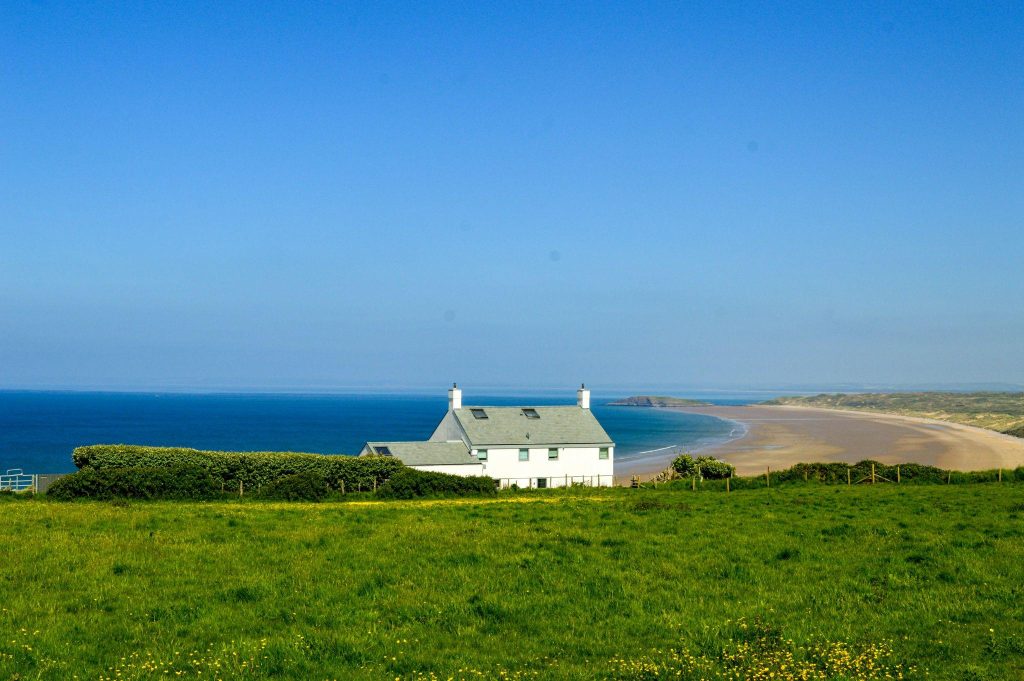
In some places, golden stretches go on for kilometres, although smaller areas tend to be more peaceful. The Gower Peninsula’s Rhossili Bay is still frequently commended for its breathtaking expanse and undulating waves. Families or paddleboarders looking for calm waves will find sheltered bays close to Padstow suitable.
On the east coast, dunes and pinewoods flank the wide sands close to Holkham as they spread out under wide skies. The possibilities of the day are determined by tide schedules, which reveal rock pools brimming with marine life as the sea recedes. When beachgoers venture a bit further, they frequently find peaceful areas where the only company is seabirds.
Water-Based Adventures for Every Pace
There are plenty of other activities available besides swimming. Sailing aficionados map courses from harbours like Cowes, which have long been connected with regattas and competitive racing. While seals observe from rocky ledges, kayakers glide beneath towering cliffs as they explore sea caves along the Pembrokeshire coast.
Fistral Beach in Newquay is a popular surfing destination because it offers regular breaks that draw both experienced and beginner surfers. Boat tours from Oban venture into neighbouring isles, providing views of dolphins and striking coastline geology for those who prefer a slower pace. Planning according to the weather and tides improves both safety and fun because every shoreline has different conditions.
Quiet Harbours and Secret Inlets
Travellers who are ready to deviate from the major routes are rewarded by hidden anchorages. Cottages in small fishing settlements, such as Staithes, are grouped around tiny quays and nestled between cliffs. In other places along the Essex coast, tidal creeks meander over salt marshes, producing serene environments for contemplative strolls and birdwatching.
Even though these enclaves frequently lack big hotels or amusement parks, they provide something maybe more valuable: peace and quiet. The smell of seaweed permeates the harbour wall, boats wave gently against moorings, and ropes creak softly. In these areas, time appears to lose its hold.
Crafting a Memorable Coastal Journey
Careful consideration makes a mere journey a multi-layered experience. Combining vibrant resorts with less famous ports will provide diversity. Switching between active activities and relaxing walks will help avoid exhaustion and maintain the level of interest. There are local fish markets, cliff paths and impromptu diversions into village cafes that make the experience more interesting.
The coastline of Britain is thousands of miles long, and it includes cliffs, estuaries, dunes and rocky headlands. A visit to even a small part of this coast will depict a canvas of scenery and people who have been shaped by the wind and water. With every return, there is a discovery of a new harbour, a new beach, a new story that is being washed in on the tide.