

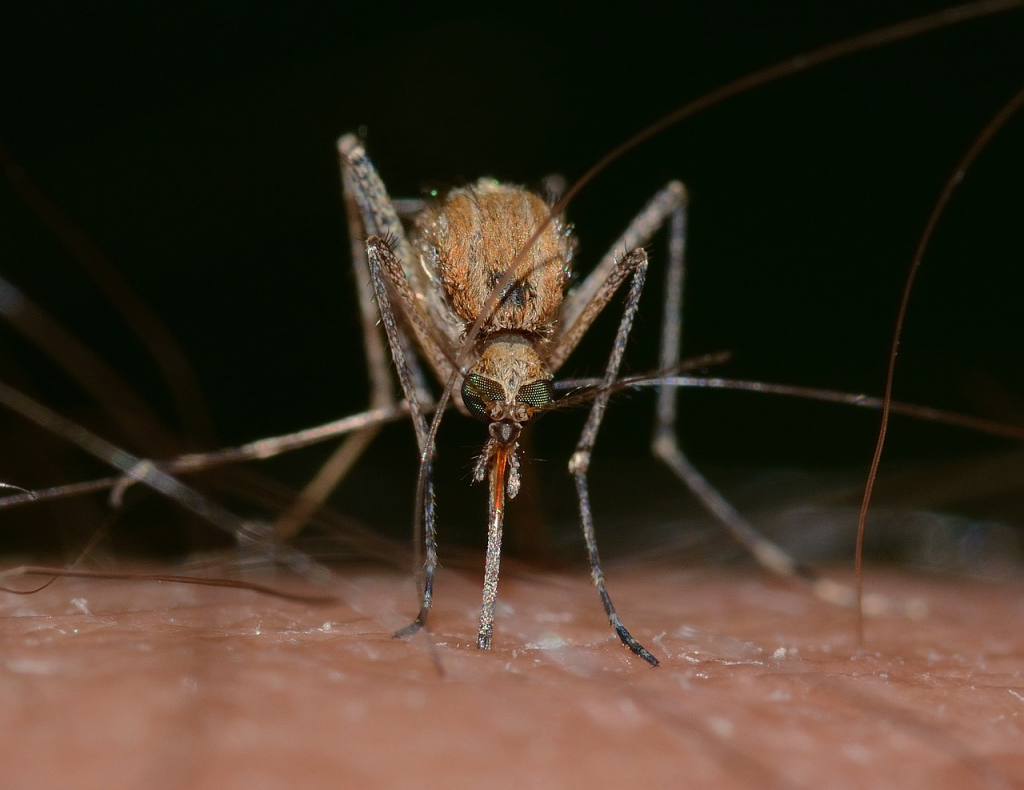
Have you ever wondered why your garden feels like a buffet for biting insects the moment you step outside? Some backyards stay relatively calm, while others become swarming hot spots by dusk.
The difference usually lies in a handful of everyday features that quietly attract and sustain mosquito activity.
First Things First
Mosquitoes are not random invaders. They are strategic, drawn to moisture, shade, scent, and shelter. A backyard that provides these elements in abundance quickly becomes a reliable feeding and breeding ground.
Small environmental details can make a big difference. When several attractants exist at once, mosquito populations can multiply fast.

Standing Water in Unexpected Places
Water is essential for mosquito reproduction. Females lay eggs in stagnant water, and larvae can mature in as little as a week during warm weather. Even shallow puddles or overlooked containers can support development.
Human-created water sources in residential spaces significantly increase mosquito numbers. That means everyday items like plant trays, blocked gutters, tarpaulins, and unused watering cans may be fuelling the problem.
Rainfall is not the only factor. Overwatering lawns and gardens can leave damp patches that remain attractive long after the surface looks dry.
Dense Vegetation and Shady Shelter
Mosquitoes are fragile insects that dehydrate easily in direct sunlight. Dense shrubs, hedges, and overgrown grass provide cool, humid resting sites during the day. Once evening arrives, they emerge from these shaded areas to feed.
Interestingly, a 2025 report from Stanford University noted that certain residential landscaping patterns can support higher concentrations of invasive mosquito species. For you, that can mean the beautiful, tree-lined corner of your garden is doubling as a daytime refuge for biters.
Regular pruning and airflow matter more than many people realise. Thick, untrimmed greenery creates a stable microclimate where mosquitoes can thrive.
Clutter and Undisturbed Corners
Mosquitoes love quiet spaces. Stacked firewood, unused garden furniture, and storage sheds offer protection from wind and predators. Less disturbance equals greater survival.
Areas that rarely see foot traffic can become mosquito hideouts. Compost piles, tarps, and covered equipment trap moisture and create ideal resting zones.
The most common backyard clutter that attracts mosquitoes includes:
- Piles of leaves and grass cuttings
- Unused pots and buckets holding rainwater
- Covered grills and furniture that trap humidity
Clearing and reorganising these spaces reduces both shelter and moisture. Even minor tidying can disrupt their comfort zone.
Warm Temperatures and Microclimates
Mosquitoes are cold-blooded, so temperature influences how quickly they grow and reproduce. Warm, humid conditions accelerate their life cycle and increase biting frequency. Gardens with limited airflow can retain heat well into the evening.
Climate trends have also expanded mosquito ranges in some regions. Mosquitoes are appearing farther north than previously recorded, highlighting how warming conditions influence distribution.
For homeowners, that translates to longer active seasons. And it means more persistent infestations!
Heat-retaining surfaces such as patios, decking, and stone walls can create cosy microclimates. When paired with nearby water and shade, these spots become ideal mosquito hubs.

Human Scent and Carbon Dioxide
Backyards become magnets not just because of the environment, but because of people. Mosquitoes track carbon dioxide from breath and are attracted to body heat and certain skin compounds. Outdoor gatherings amplify these signals.
Grilling, gardening, and evening entertaining increase both scent and moisture in the air. Sweat and floral fragrances can further enhance attraction.
Movement and sound also play subtle roles. Frequent activity may disturb some resting mosquitoes, but it can also trigger feeding behaviour when conditions are right.
How to Prevent Mosquitoes and Solve an Infestation Issue
Reducing mosquito pressure starts with environmental control. Eliminating standing water, trimming vegetation, and improving drainage tackle the root causes rather than just the symptoms. Consistency is key because mosquitoes breed quickly.
Professional treatment becomes important when populations are already established. Homeowners seeking reliable support often turn to local experts, such as Pennsylvania mosquito control services.
Targeted barrier sprays and habitat assessments help reduce adult populations and breeding sites. Strategic applications around foliage, shaded areas, and property perimeters disrupt mosquito life cycles without excessive product use.
For property owners, fewer mosquitoes outdoors can mean safer, more comfortable evenings and fewer bites during peak season. Combining routine maintenance with professional support offers the strongest defence. Quick fixes alone rarely provide long-term relief.
Take Back Control From a Mosquito Magnet Garden
Understanding what makes a backyard a mosquito magnet puts control back in your hands. Water, shade, clutter, warmth, and human activity all contribute, but each factor can be managed with the right approach.
If biting insects are limiting how you use your outdoor space, it may be time to act. Consider reviewing your property for hidden attractants and reaching out to professional services for guidance on restoring comfort to your garden.
And if this article was useful, be sure to check out some of our other informative content!