Southern Italy has a peculiar way of entering the memory: it does so through the mouth and stays in the mind. It is not merely about famous dishes or recipes passed down through generations, but about a cultural fabric in which every meal functions as a small chronicle of the territory. Anyone who travels through these regions — from Campania to Puglia, passing through Basilicata and Calabria — quickly discovers that southern Italy gastronomy is not displayed, it is lived. In markets open since dawn, in home kitchens that still set the rhythm of neighborhoods, at tables where time seems to stretch without asking permission.
This culinary journey invites you to slow down, observe, and taste carefully. Because behind every specialty there is a story that is rarely told in full the first time.
Campania: where tradition breathes in every dish
Talking about gastronomic tourism in southern Italy usually means starting with Campania, and the reason becomes clear the moment you set foot in Naples. The city maintains a visceral relationship with food. Neapolitan pizza, with its irregular crust and soft center, remains the most visible symbol, although reducing the region to that emblem would mean staying on the surface.
In the less traveled neighborhoods, trattorias survive where Neapolitan ragù cooks for hours with a patience that today feels almost anachronistic. There are also neighborhood markets, where mozzarella di bufala arrives still warm, wrapped in a milky liquid that reveals its freshness.
The attentive visitor begins to notice a pattern: here, cooking does not try to impress. It works as a natural extension of everyday life. And that naturalness, more often than not, is what ultimately disarms the traveler.
Puglia and the cuisine of rural roots
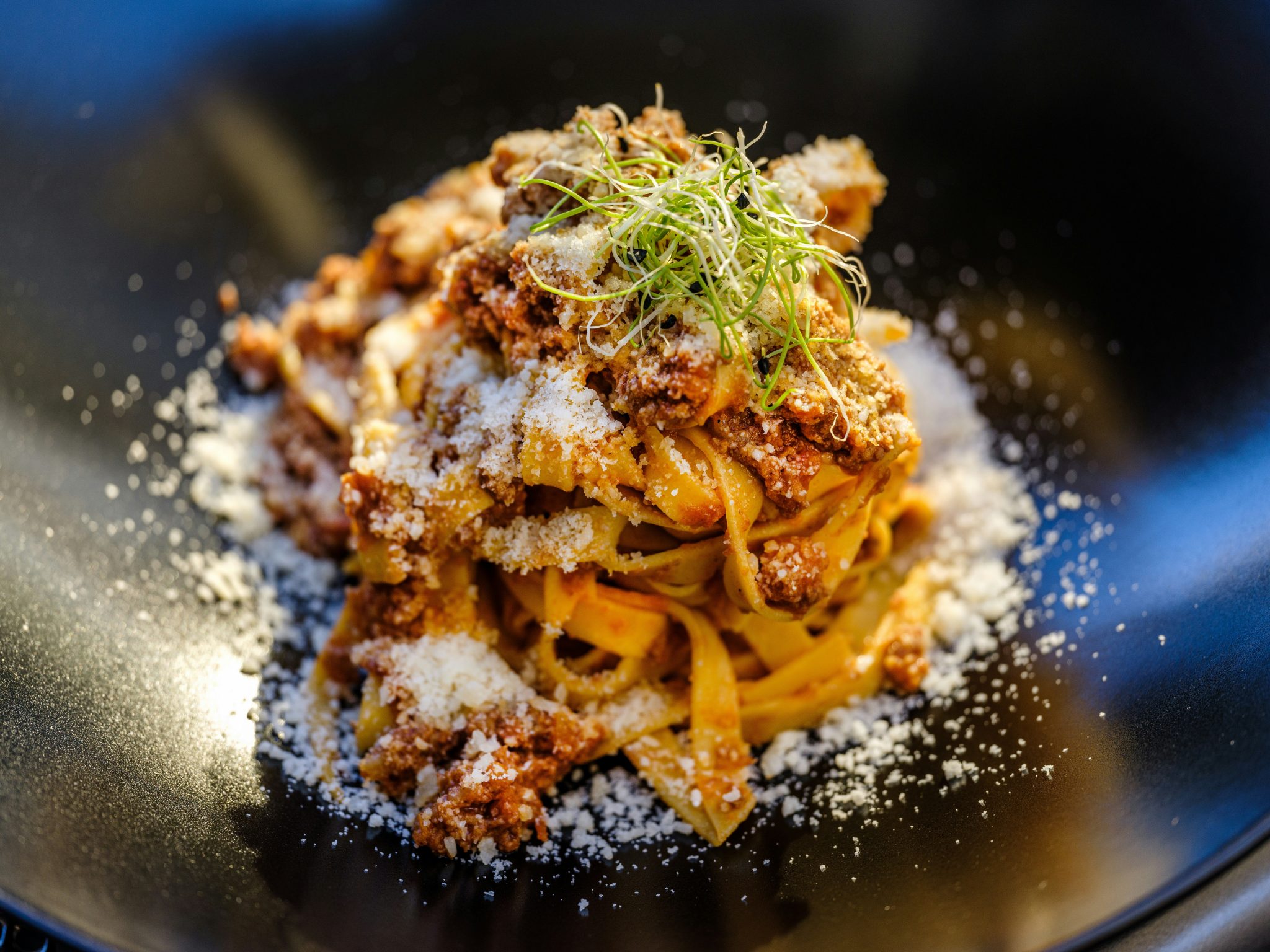
Moving toward the Adriatic, the landscape changes and Puglian cuisine adopts a different tone. In Puglia, the recipe book maintains a very close bond with the land. Orecchiette, shaped by hand, continue to appear on family tables and in discreet restaurants with almost stubborn regularity.
Those who wish to understand the process from within often look for direct experiences. In this context, taking part in a cooking course Puglia allows visitors to closely observe gestures that are rarely explained on menus: the exact pressure of the thumb on fresh pasta, the measured use of local olive oil, the unhurried rhythm with which an apparently simple dish is built.
Puglia gastronomy preserves a concrete, almost tactile quality. It can be felt in Altamura bread, with its dark crust and compact crumb, and in vegetables prepared with a sobriety that avoids unnecessary decoration. At this stage of the journey, the cuisine begins to resemble a silent language that each town speaks with its own accent.
Calabria: intensity and character
Further south, Calabrian cuisine changes the tone of the culinary conversation. Here, spiciness appears with a presence that does not apologize. ’Nduja, spreadable and fiery, sums up the region’s gastronomic temperament quite well.
But Calabria gastronomy is not limited to the heat of peperoncino. In coastal areas, fish is prepared with calculated simplicity, while inland survive recipes linked to the rural pantry: slowly cured cold cuts, homemade preserves, long-lasting breads designed for another era.
The traveler who reaches this far often experiences a small shift in expectations. Cuisine stops being a catalog of familiar dishes and becomes a sequence of less predictable discoveries.
Basilicata: discretion that surprises
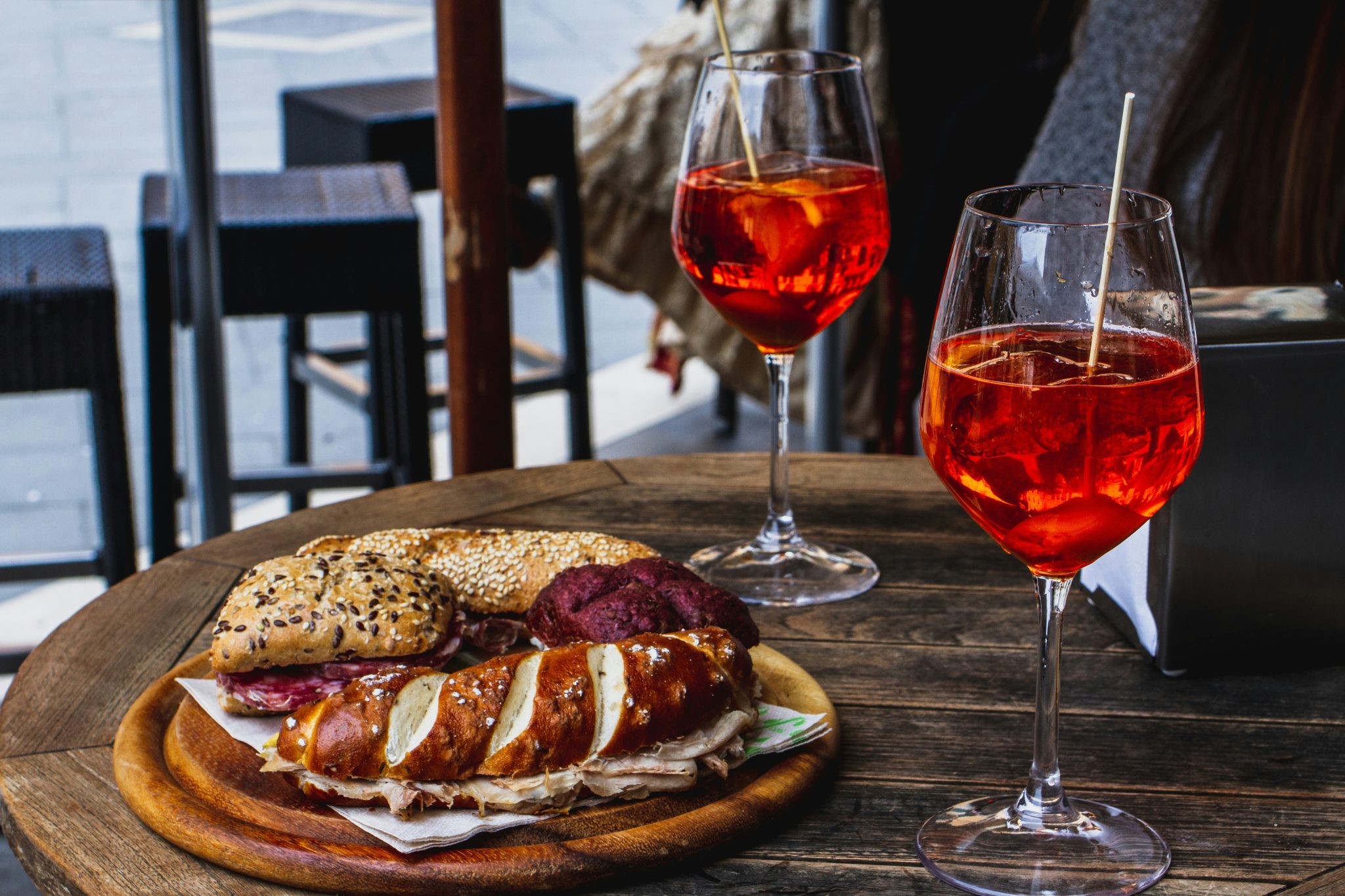
Between more high-profile regions, Basilicata moves quietly. Yet its culinary tradition holds episodes that deserve attention. In Matera, for example, the local bread presents a dense structure and a marked crust that responds to ancient baking techniques.
Lucanian cuisine maintains an economy of resources that proves revealing. Dishes such as crapiata or lamb-based preparations show a logic in which every ingredient fulfills a precise function. There is no gratuitous exuberance; instead, there is a kind of silent coherence.
Those who arrive in a hurry risk overlooking these nuances. And it is precisely there that much of the journey is at stake.
Practical tips for a conscious gastronomic tour
Organizing a gastronomic tour of southern Italy requires more than booking popular restaurants. It is worth considering some aspects that often make the difference:
- Prioritize local markets over exclusively tourist circuits
- Book in advance at small family-run trattorias
- Travel in the shoulder season to avoid crowds and rush
- Speak with local producers whenever possible
- Dedicate time to small towns, where the culinary rhythm remains intact
These choices significantly shape the experience. Southern Italy rewards those who move with a certain slowness and genuine curiosity about what happens beyond the most photographed itineraries.
And even so, after several days moving between tables, markets, and home kitchens, there often remains the feeling that something important has slipped away between one dish and the next. Because in southern Italy, food rarely reveals itself completely on the first visit… and that is probably why many end up returning.