
Power outages rarely arrive with much warning. A strong storm, grid failure, or equipment issue can leave your home in complete darkness within minutes. Preparing in advance makes the difference between minor inconvenience and real disruption. This guide was created by reviewing emergency preparedness recommendations and practical household strategies, then organizing them into clear steps you can follow before the next outage hits.
A well-prepared home stays safer, more functional, and less stressful during a blackout. The key is planning for light, communication, food safety, and comfort.
Build a Reliable Backup Lighting Plan
When the power goes out, lighting becomes the priority. Navigating dark hallways, staircases, and bathrooms without preparation increases the risk of falls and injury.
Start with layered lighting options placed throughout your home. Flashlights are essential, but relying on one or two units is not enough. Store multiple light sources in key locations such as bedrooms, kitchens, and living areas.
Battery-powered puck lights are especially useful for outages. Their compact size makes them ideal for hallways, bathrooms, and stair landings where overhead fixtures become useless during a blackout. Many models attach with adhesive backing, so you can mount them ahead of time and activate them instantly when needed.
Because puck lights use low-energy LEDs, they provide dependable illumination without draining batteries quickly. Some models include tap activation or remote controls, which is helpful in the middle of the night when visibility is limited.
Motion-activated lighting is another smart addition. Installing motion-sensor units in bathrooms or along staircases allows safe movement without fumbling for switches.
Keep extra batteries stored in a dry, accessible container. Rechargeable options work well if you maintain a charged power bank as part of your emergency kit.
Stock Essential Emergency Supplies
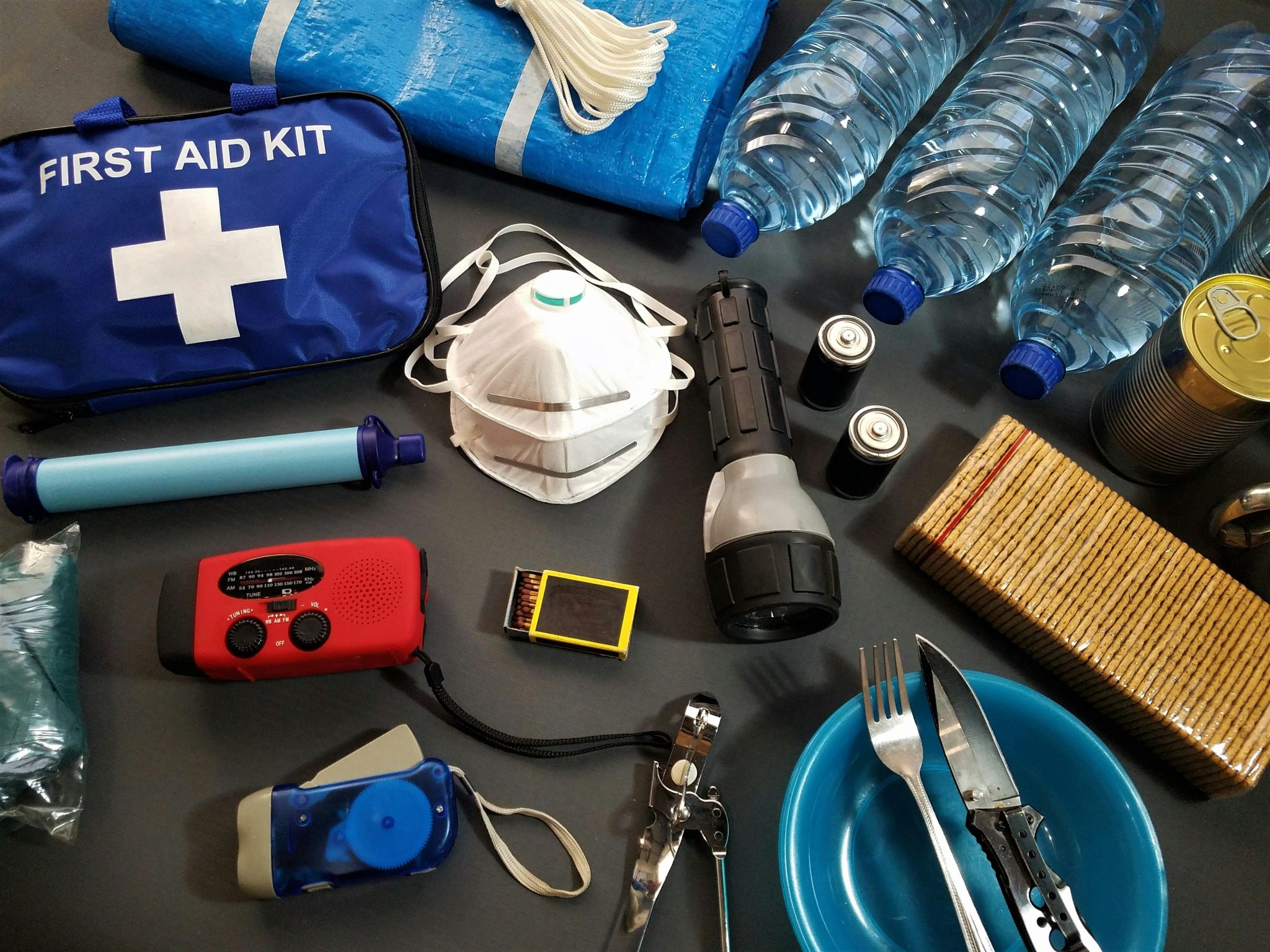
Lighting is only one part of outage preparation. A complete emergency kit helps maintain comfort and safety for extended disruptions.
Water and Nonperishable Food
Store at least one gallon of water per person per day for several days. Keep shelf-stable foods that require little to no cooking, such as canned goods, protein bars, and dry snacks.
Battery-Powered or Hand-Crank Radio
During widespread outages, internet and cell service may become unreliable. A portable radio keeps you informed about weather conditions and restoration updates.
Portable Phone Chargers
Keep fully charged power banks ready to extend device use. Consider rotating charging schedules every few months to ensure they remain functional.
First Aid Kit
Accidents are more likely in low-light conditions. Maintain a stocked kit with bandages, antiseptics, and essential medications.
Warm Blankets and Extra Layers
Heating systems may not function during outages. Having additional blankets and warm clothing available helps maintain comfort.
Storing these items in one central location reduces confusion when the lights suddenly go out.
Protect Food and Appliances
Refrigerators and freezers can maintain safe temperatures for a limited time if left closed. Avoid opening doors unless necessary. Consider keeping appliance thermometers inside to monitor internal temperatures during extended outages.
Unplug sensitive electronics to protect them from power surges when electricity returns. Surge protectors add another layer of defense for computers, televisions, and appliances.
If you use a generator, operate it outdoors and away from windows to prevent carbon monoxide exposure. Never run fuel-powered equipment inside your home or garage.
Prepare High-Traffic Areas in Advance
Certain rooms require extra attention when planning backup lighting.
Hallways and Staircases
Install puck lights along walls or near baseboards to guide safe movement. Pre-mounting them ensures you do not need to search for lighting in the dark.
Bathrooms
Place battery-powered lights near mirrors and sinks. This makes nighttime navigation safer and more manageable.
Bedrooms
Keep a flashlight or a tap light within reach of each bed. If the outage occurs while sleeping, immediate access reduces confusion.
Kitchen Areas
Countertop lighting supports food prep if the outage extends into mealtime. Portable lights positioned under cabinets improve visibility for safe cooking or cleanup.
By setting up these areas ahead of time, you eliminate last-minute scrambling.
Stay Calm and Stay Informed
Unexpected outages can feel disruptive, especially at night. Preparation helps reduce stress and maintain a sense of control.
Check local utility updates through your phone or radio. Avoid unnecessary travel during severe weather events. Keep doors and windows closed to preserve indoor temperature.
Most outages resolve within hours, but longer disruptions require patience and resource management. Ration battery use, limit refrigerator access, and consolidate household members into one or two rooms to conserve warmth.
Turn Preparation Into Peace of Mind
Preparing your home for unexpected power outages is not complicated. With smart planning, you can maintain visibility, safety, and comfort until power returns.
Installing puck lights in hallways and bathrooms provides immediate, reliable illumination where it matters most. Pair them with flashlights, stocked supplies, and surge protection to create a well-rounded emergency plan.
When your home is ready before the next storm or grid failure, you replace uncertainty with confidence. A few proactive steps today can make the next blackout far less stressful tomorrow.